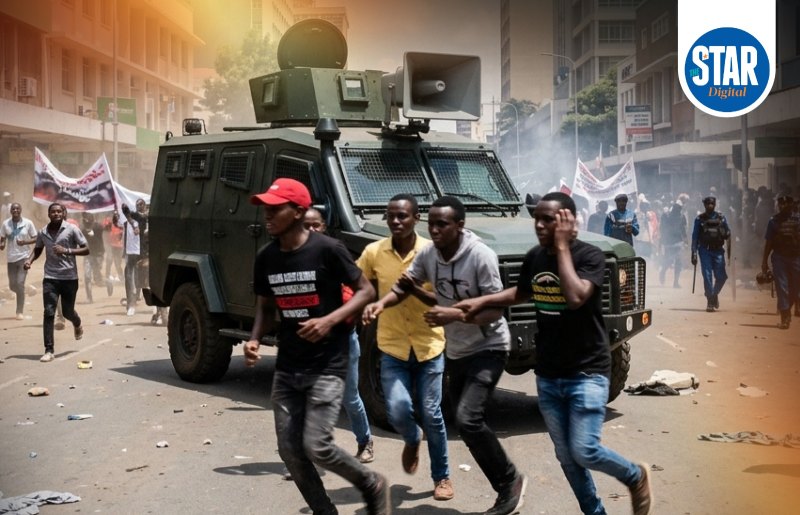
A new report by the United Nations has raised quiet but
significant concern over Kenya’s political trajectory.
It warns of growing risks of polarisation as the country
edges closer to the 2027 General Election.
In its latest Kenya Annual Results Report 2025, the UN says
that while the country remains largely stable, underlying political tensions
and institutional pressures are beginning to build.
It is against these concerns that the UN says its focus will
shift towards peacebuilding, conflict prevention and electoral preparedness.
“UN Kenya will work collectively to support inclusive
peace-building, conflict prevention, social cohesion and civic participation,
recognising the growing pressures on institutions and heightened risk of
political polarisation,” the report says.
The report adds that as Kenya enters its pre-election
period, peace, prevention and electoral preparedness will take increased
prominence.
The UN will intensify
efforts to support inclusive dialogue, social cohesion and civic participation.
This comes at a time when political realignments have intensified,
amid heightened rhetoric and competition for influence among regional blocs.
The UN warns that these dynamics are unfolding against a
backdrop of “growing pressures on institutions and heightened risk of political
polarisation”, underscoring concerns that political, ethnic and economic
divisions could deepen in the run-up to the polls.
The country has witnessed a rise in political violence.
Opposition teams have particularly borne the brunt of the
violence, with cases of disruption of meetings and attacks on churches,
United Opposition and Linda Mwananchi leaders have been
vocal in condemning the incidents.
Violent incidents have been reported in Kisii, Nyeri,
Nyandarua, Kirinyaga and Nairobi counties, targeting public meetings or church
events hosted or attended by the united opposition.
The Linda Mwananchi
team has also been targeted in Kajiado and Busia counties.
The church has already raised alarm over the trend, warning
that Kenya risks sliding into a Haiti-style gangland situation.
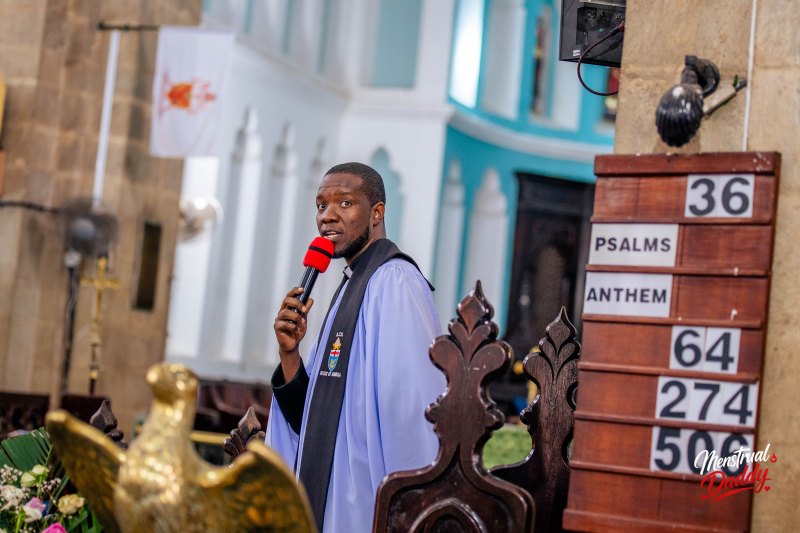
ACK head Jackson Sapit has warned that escalating political
tensions and the emergence of organised gangs at public gatherings pose a
serious threat to national stability.
The clergyman cautioned that if left unchecked, the
phenomenon could spiral into long-term insecurity, warning of a descent into
lawlessness.
“Now we have entered a culture we haven’t seen before of
people called goons who are hired by politicians from various sides and every
side has its own ‘goons’,” Sapit said.
“I want to warn Kenyans that what is happening in Haiti
started just like this. Those who were trained by political factions eventually
became a problem and a threat to the country.”
Violence was also witnessed during the high-stakes
by-elections in Malava, Mbeere North and Kasipul constituencies.
The opposition claimed violence and
intimidation were used.
Civil society groups echoed the claims, saying the
by-elections became a “display of manipulation, opposition complicity and
calculated violence”.
“These violations formed part of a deliberate architecture
built on intimidation, misinformation, violence and abuse of public
resources to distort the electoral process and predetermine outcomes,” lobby
groups said in a joint statement.
They recommended mapping out potential hotspots of electoral
violence and voter manipulation ahead of the 2027 polls to enable prevention
and protection measures.
With a history of election-related tensions, such early
caution from the UN, coupled with warnings from civil society, risks
heightening fears of possible escalation of tensions in what is expected to be
a highly competitive presidential election.
The report notes that UN agencies will adopt a coordinated
approach to support Kenya’s electoral ecosystem.
This will include strengthening institutions, promoting
civic engagement and facilitating conflict prevention mechanisms at both
national and community levels.
“Early joint UN engagement on electoral support will be
essential … to ensure readiness well ahead of the 2027 electoral cycle,” the
report adds.
The UN report also links governance challenges to broader
socio-economic realities, including youth unemployment, cost-of-living pressures
and limited economic opportunities.
The intersection between economic stress and political
competition is identified as a potential risk factor for polarisation.
The report also highlights the need for stronger civic
participation and greater public trust in institutions.
It notes ongoing efforts to engage young people and
communities in governance processes.



![[PHOTOS] The new Ngong –Naivasha Road viaduct](https://cdn.radioafrica.digital/image/2026/06/64d4f771-4432-4aee-ba3c-2f304c4436ec.jpg)







![[PHOTOS] 'Mr Speaker Sir' Gen Z protester in court](https://cdn.radioafrica.digital/image/2026/06/b3e62d8e-25c3-4780-90f9-4eb48b1ce8a7.jpg)