Warn some key provisions are outdated and inconsistent with constitution
by CATHY WAMAITHA
Audio By Vocalize
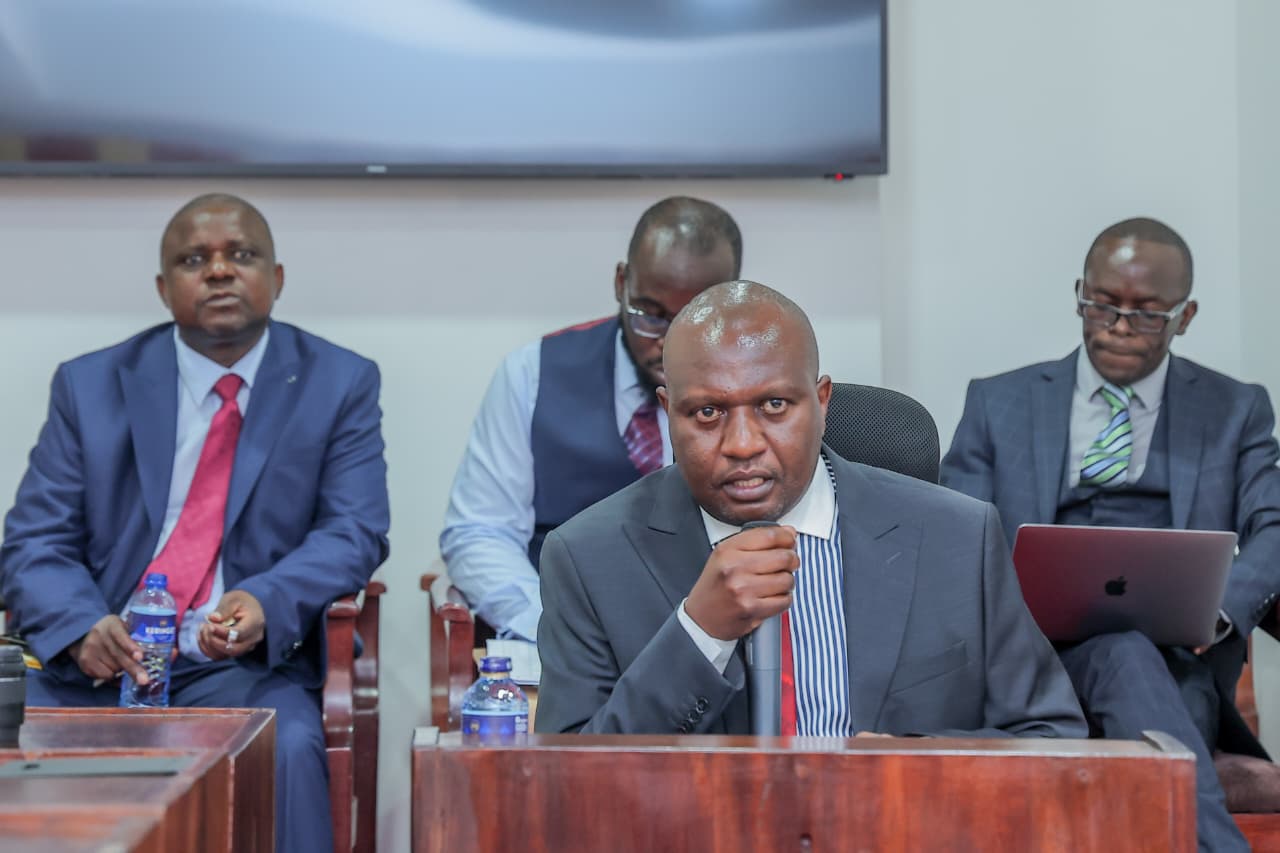
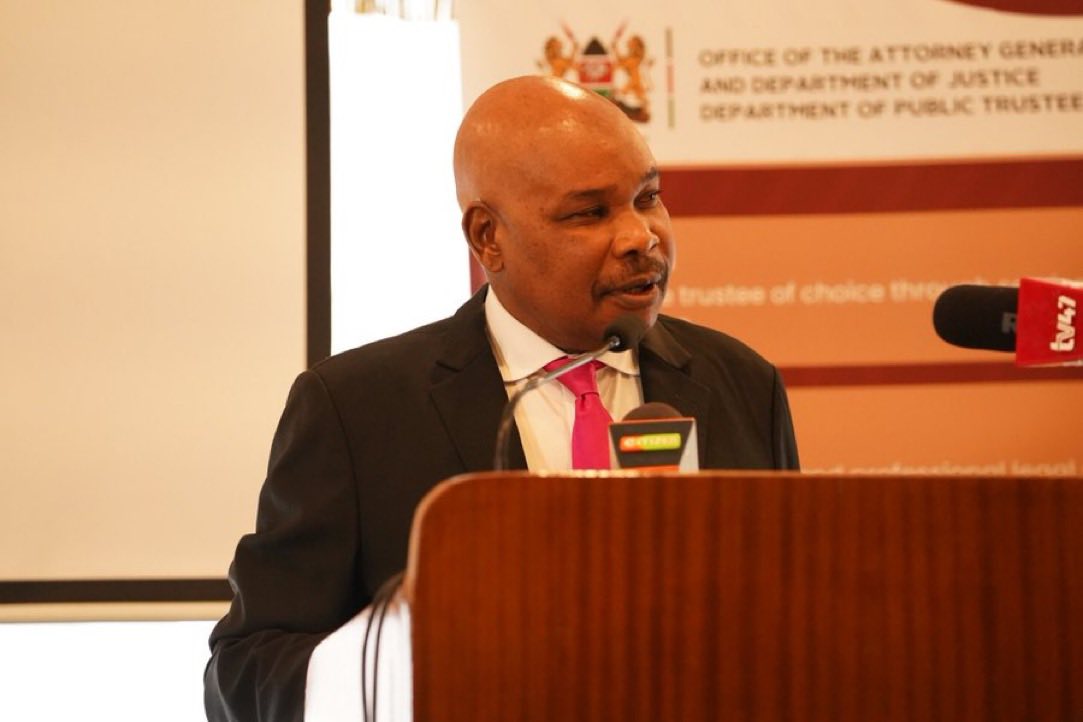
Media Council of Kenya CEO David Omwoyo before the National Assembly’s Committee on Parliamentary Broadcasting and Library on Thursday /HANDOUT
The Media Council of Kenya has urged Parliament to modernise
the country’s publications law.
MCK warned that key provisions inherited from the colonial
era are outdated and inconsistent with the constitution.
The council is specifically calling for the scrapping of a
rule that forces anyone wishing to publish a newspaper to deposit Sh1 million with
the government before they can operate.
MCK describes the provision as an unconstitutional barrier
to media pluralism.
Chief executive officer David Omwoyo appeared before the
National Assembly’s Committee on Parliamentary Broadcasting and Library on
Thursday to present the council’s formal memorandum on the Books and Newspapers
(Amendment) Bill, 2025.
Omwoyo told the panel chaired by Turkana West MP Daniel
Nanok that sections of the existing Act, first enacted in 1960, are at odds
with the 2010 Constitution.
Omwoyo highlighted Articles 33 and 34, which guarantee
freedom of expression and prohibit state interference with media
independence.
The MCK’s memorandum targets Section 11 of the Act, which
requires newspaper publishers to execute a bond of Sh1 million as security
against potential penalties or libel damages.
The MCK has proposed replacing the bond system with a
notification or registration regime, arguing that the current rule shuts out
smaller outlets who cannot afford the sum.
“The bond requirement creates a financial barrier to entry,
discourages small publishers and community media and undermines Article 34(2)
which protects the freedom to establish media without undue state control,” the
memorandum states.
The submission also takes aim at the Act’s narrow focus on
print publications, arguing that it fails to recognise the transformation of
Kenya’s media landscape towards digital, online and multimedia journalism.
The current definition of a newspaper excludes digital
journalism entirely and the council has proposed renaming the statute the
‘Media Publications and Legal Deposit Act’, introducing new definitions
covering digital publications, online platforms and editorial control.
Other proposed amendments include removing the Cabinet
Secretary’s broad discretion to exclude publications from the Act’s provisions,
a power the council warns could be applied in a politically motivated manner
and replacing it with criteria-based exemptions subject to parliamentary
approval.
The memorandum also recommends replacing criminal sanctions
for administrative breaches.
This are such as failing to deposit copies of publications,
with civil penalties, arguing that criminalisation impedes press freedom.
The council emphasised that its proposals would bring Kenya
into line with contemporary international standards on media regulation.
This helps shift from administrative restrictions to
professional accountability through the existing framework of the Media Council
Act, 2013.
“These issues are important in ensuring any amendments to
the Books and Newspapers Act support a modern, pluralistic and constitutionally
compliant media environment,” Omwoyo told the committee.
Colonial-era statutes have long been used to intimidate
journalists in Kenya. Laws such as the Official Secrets Act and sections of the
Penal Code on sedition and criminal defamation remain on the books despite a
2010 constitutional promise of reform.
Media workers have faced arbitrary arrests, police
harassment and legal threats under these outdated provisions, creating what
human rights groups describe as a persistent chilling effect on investigative
reporting.
MCK has repeatedly called for their repeal and the committee
is expected to consider the council’s memorandum alongside other stakeholder
submissions before finalising the Bill for further parliamentary debate.





![[PHOTOS] The new Ngong –Naivasha Road viaduct](https://cdn.radioafrica.digital/image/2026/06/64d4f771-4432-4aee-ba3c-2f304c4436ec.jpg)






![[PHOTOS] 'Mr Speaker Sir' Gen Z protester in court](https://cdn.radioafrica.digital/image/2026/06/b3e62d8e-25c3-4780-90f9-4eb48b1ce8a7.jpg)