“No counselling, no explanation, no compassion,” she says.
In 2017, her daughter Tiffany was born prematurely at 35
weeks in a hospital without enough facilities to save her. She lived 37 hours.
“Again, I was surrounded by newborn cries that deepened the
trauma and was later discharged without support,” she says.
“There was no
follow-up. Cultural stigma added to the pain, ‘it’s a curse,’ people said.”
Her partner Leonard Nango’le was also overcome by grief, but
his pain was invisible. He was told to be strong and had no space to mourn.
“No
family should survive loss and then be abandoned by the system meant to care
for them,” Mwangi says.
Their experience, presented by the ongoing International
Maternal Newborn Health Conference (IMNHC) in Nairobi, mirrors that of
thousands of families across Kenya, where stillbirth remains common and
largely hidden.
Kenya records a stillbirth rate of 15 per 1,000 births,
translating to about 24,000 stillbirths each year, according to the Ministry of
Health.
Many of these losses
happen quietly, often unreported and unacknowledged.
Now, a new report is putting a spotlight on the numbers
and the silence.
The report, titled 'State of Africa’s Stillbirths', was
presented at the ongoing IMNHC. It highlights Kenya as one of the countries
taking steps to strengthen bereavement care as part of respectful maternity and
newborn services.
“Kenya is strengthening bereavement care as part of
respectful maternity and newborn services, with counties leading practical
innovations to support families after stillbirth or neonatal loss,” the report
states.
It adds that structured bereavement care training builds health workers’ confidence and communication skills, while facilities designate
bereavement champions who mentor colleagues and embed compassionate practices.
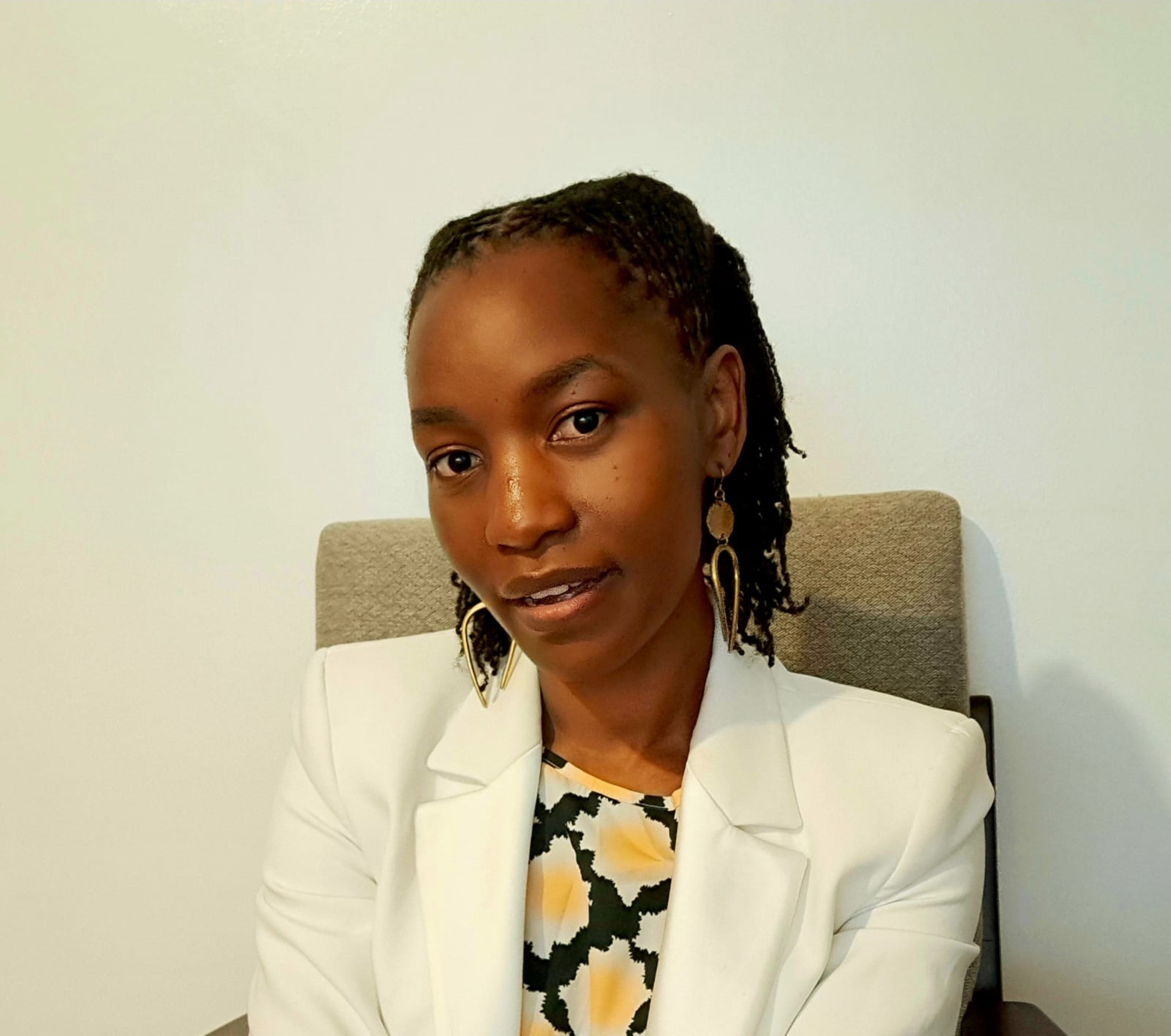
Mwangi and Nango’le have become bereavement
champions through their platform, Empower Mama Foundation.
“Today, through the Empower Mama Foundation, we advocate for
trauma-informed care, respectful maternity services, and support for fathers’
mental health,” Mwangi says.
Experts say these efforts are also aimed at breaking the
stigma that has long surrounded stillbirth.
“These deaths are
frequently undercounted, underreported and overlooked in policy, planning and
financing decisions,” the report says. This makes it harder for governments to
respond effectively or design interventions that save lives.
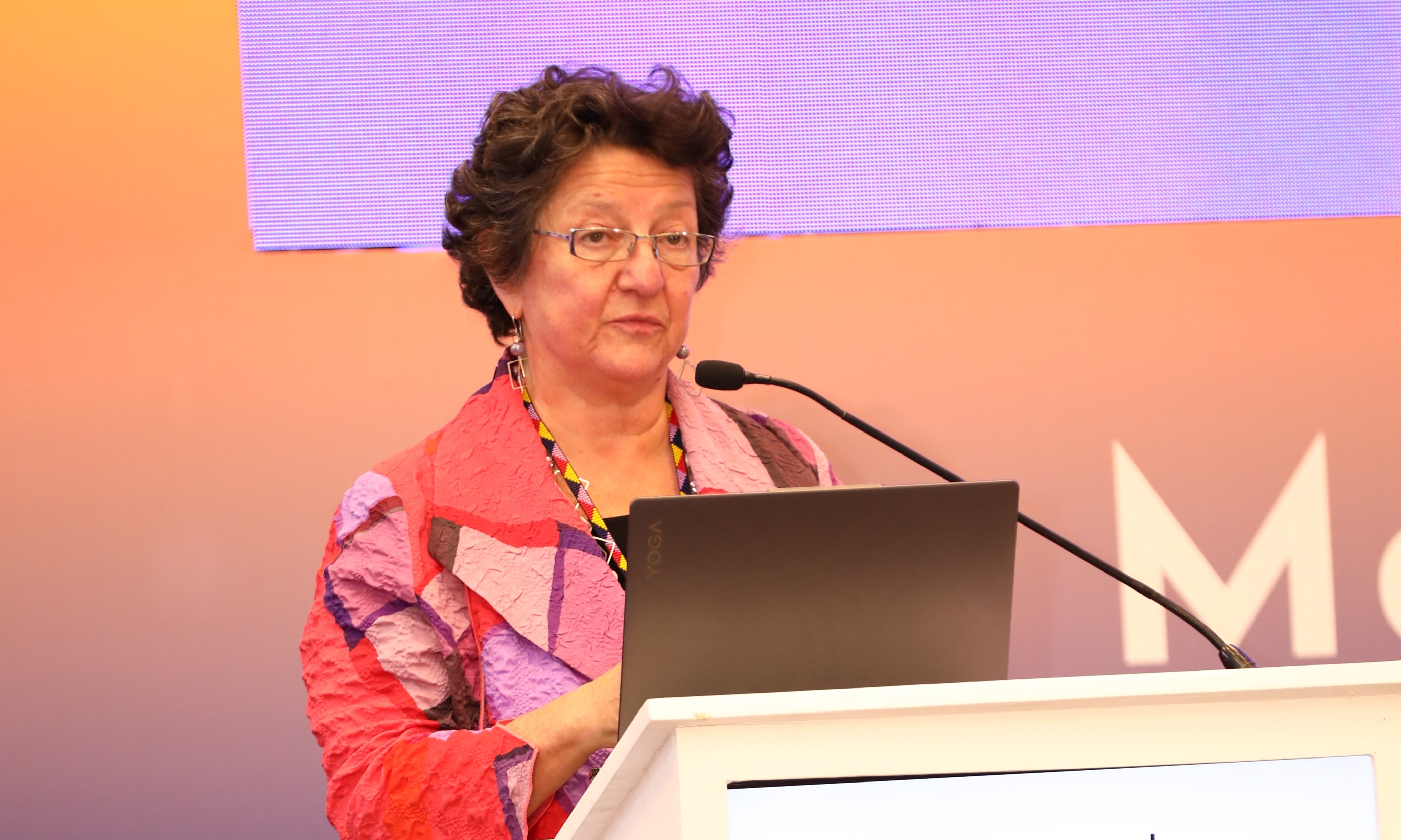
Grace Mwashighadi, co-chairperson of The Lancet Stillbirth
Advisory Committee, has had three stillbirths.
“The longest walk I’ve ever undertaken was walking out of a hospital
three times without a baby," she says.
"I know first-hand what it means to be more than a
statistic, because behind every stillbirth is a family, a mother, and a set of
expectations, hopes and dreams that are suddenly interrupted.”
Mwashighadi says when stillbirths are hidden, they remain
outside health systems, weakening data, delaying action and allowing
preventable deaths to continue.
The report says nearly one million stillbirths occur in
Africa each year, accounting for about half of the global total.
It emphasises that many stillbirths are preventable through
better antenatal care, skilled attendance at birth and stronger emergency
services. But it also makes clear that when deaths do occur, the response
matters just as much.
“When stillbirth rates remain high, they reflect gaps in
quality of care, delays in emergency response, shortages of skilled health
workers, and weaknesses in data and accountability,” Dr Lucy Mazyanga says. She is the
regional director, Eastern Africa regional coordinating centre, at the Africa
CDC.

 A newborn baby/HANDOUT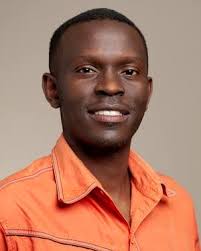


![[PHOTOS] The new Ngong –Naivasha Road viaduct](https://cdn.radioafrica.digital/image/2026/06/64d4f771-4432-4aee-ba3c-2f304c4436ec.jpg)





![[PHOTOS] 'Mr Speaker Sir' Gen Z protester in court](https://cdn.radioafrica.digital/image/2026/06/b3e62d8e-25c3-4780-90f9-4eb48b1ce8a7.jpg)