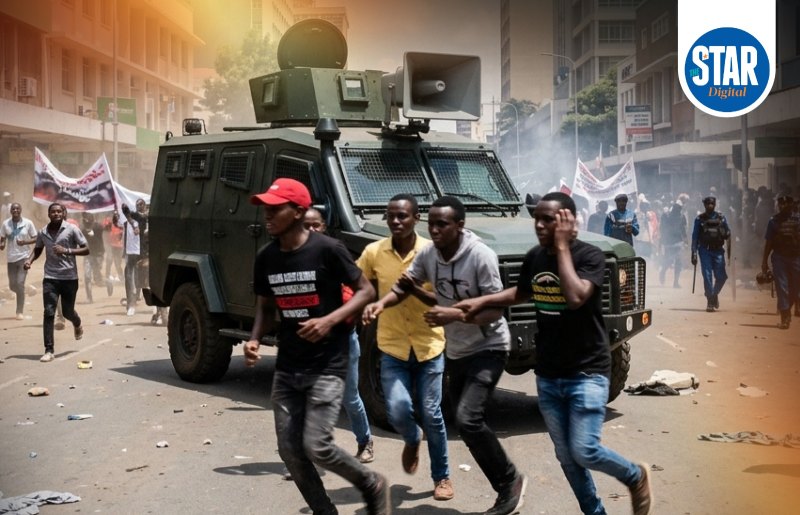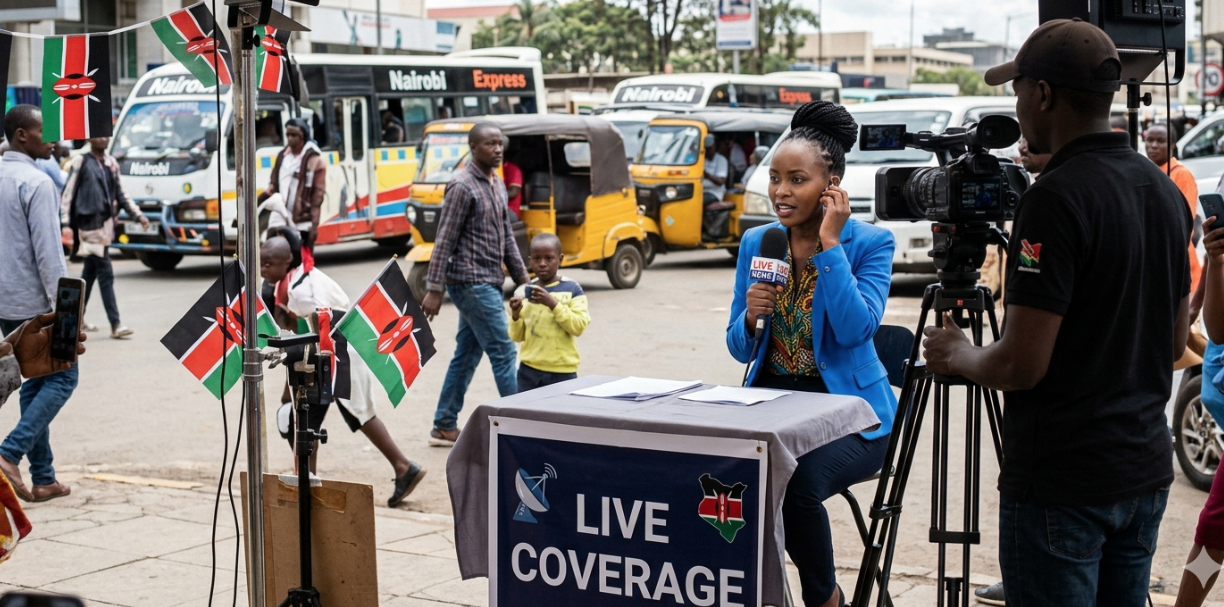
The Media Council of Kenya (MCK) has directed all broadcasters to fully adhere to the seven-second delay on live transmissions to curb the rising spread of misinformation and inflammatory content.
In an advisory issued Tuesday, the regulator said this will help prevent the unintended airing of material that violates the Code of Conduct for Media Practice in Kenya, particularly during live coverage of political rallies and other public events.
The council expressed concern over unchecked live broadcasts that carry hate speech, misleading information, and manipulated content, warning that such trends undermine professional standards and public trust in the media.
“A media enterprise shall incorporate a minimum seven-second delay in live broadcasts to prevent the unintended publication of material that violates this code,” the advisory states.
Clause 11 of the Code of Conduct underpins the directive and applies to all media practitioners and organisations operating across both traditional and digital platforms.
MCK said freedom of expression remains a cornerstone of the media, but it must be exercised responsibly.
Broadcasters bear legal responsibility for any harmful or unlawful content they transmit, regardless of the source.
“While exposing unguarded or irresponsible statements by public figures serves the public interest, any legal infractions arising from such content ultimately attract legal responsibility on the part of the platform or publisher that disseminates it,” the council said.
The advisory comes at a time of heightened political activity, with live coverage of rallies increasingly airing unfiltered remarks, some of which breach ethical standards.
MCK clarified that while media houses are not responsible for statements made at public gatherings, once such remarks are broadcast, they fall under the regulator’s jurisdiction.
As part of the new measures, editors and producers are required to exercise greater caution when handling live content, ensuring that news and commentary do not inflame tensions or deepen divisions within the public.
The council further advised that where offensive or harmful statements must be reported in the public interest, they should be carefully edited, including the redaction of explicit language.
MCK highlighted that a well-regulated media environment is essential in promoting accountability, strengthening democratic governance, and safeguarding national cohesion.
The directive, issued under the Media Council Act of 2013, signals a tightening of oversight on live broadcasting, as the regulator seeks to balance press freedom with ethical responsibility.
Media houses have now been put on notice to implement the delay mechanism and take proactive steps to avoid breaching the Code of Ethics

![[PHOTOS] The new Ngong –Naivasha Road viaduct](https://cdn.radioafrica.digital/image/2026/06/64d4f771-4432-4aee-ba3c-2f304c4436ec.jpg)




![[PHOTOS] 'Mr Speaker Sir' Gen Z protester in court](https://cdn.radioafrica.digital/image/2026/06/b3e62d8e-25c3-4780-90f9-4eb48b1ce8a7.jpg)