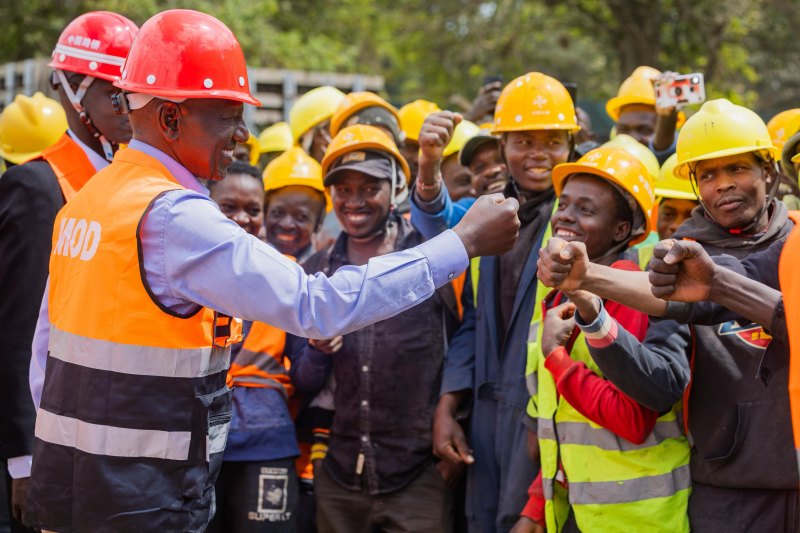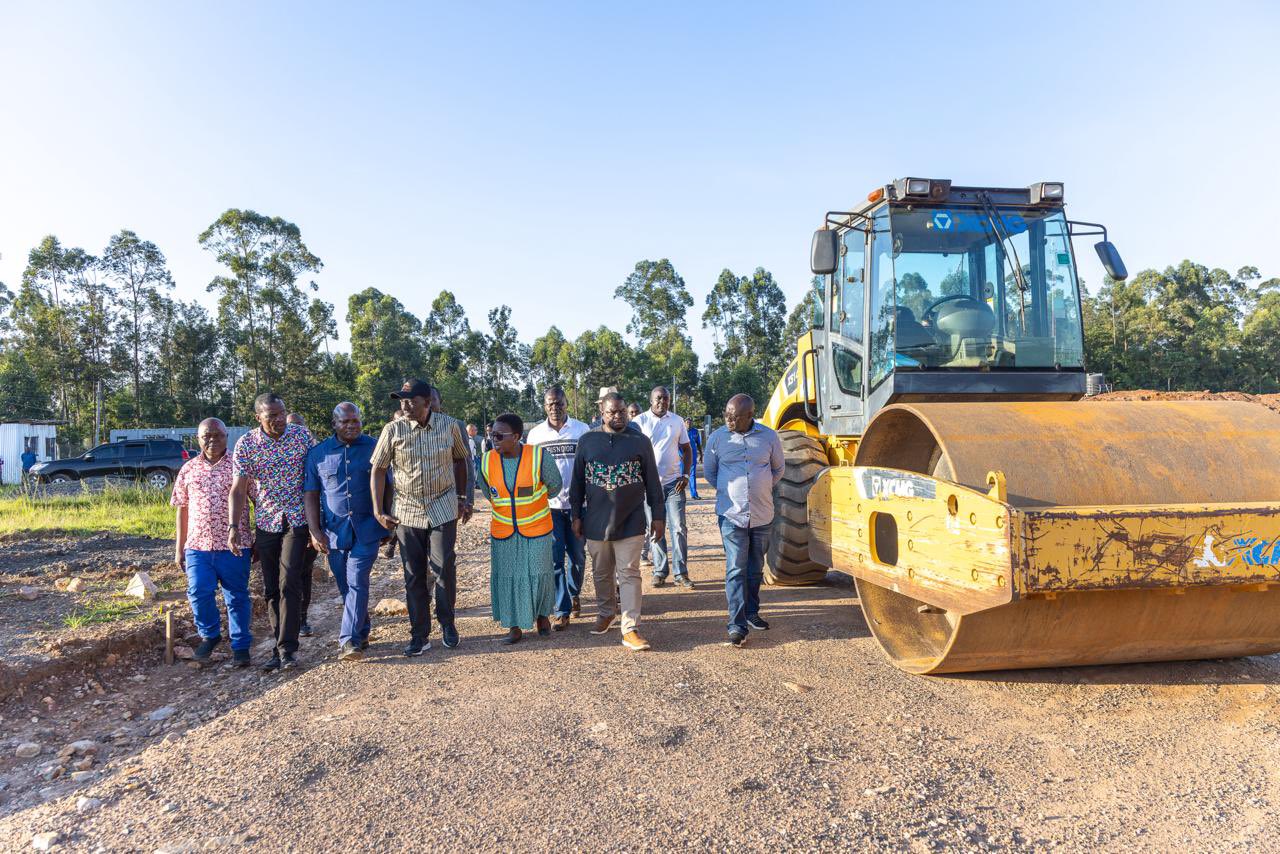
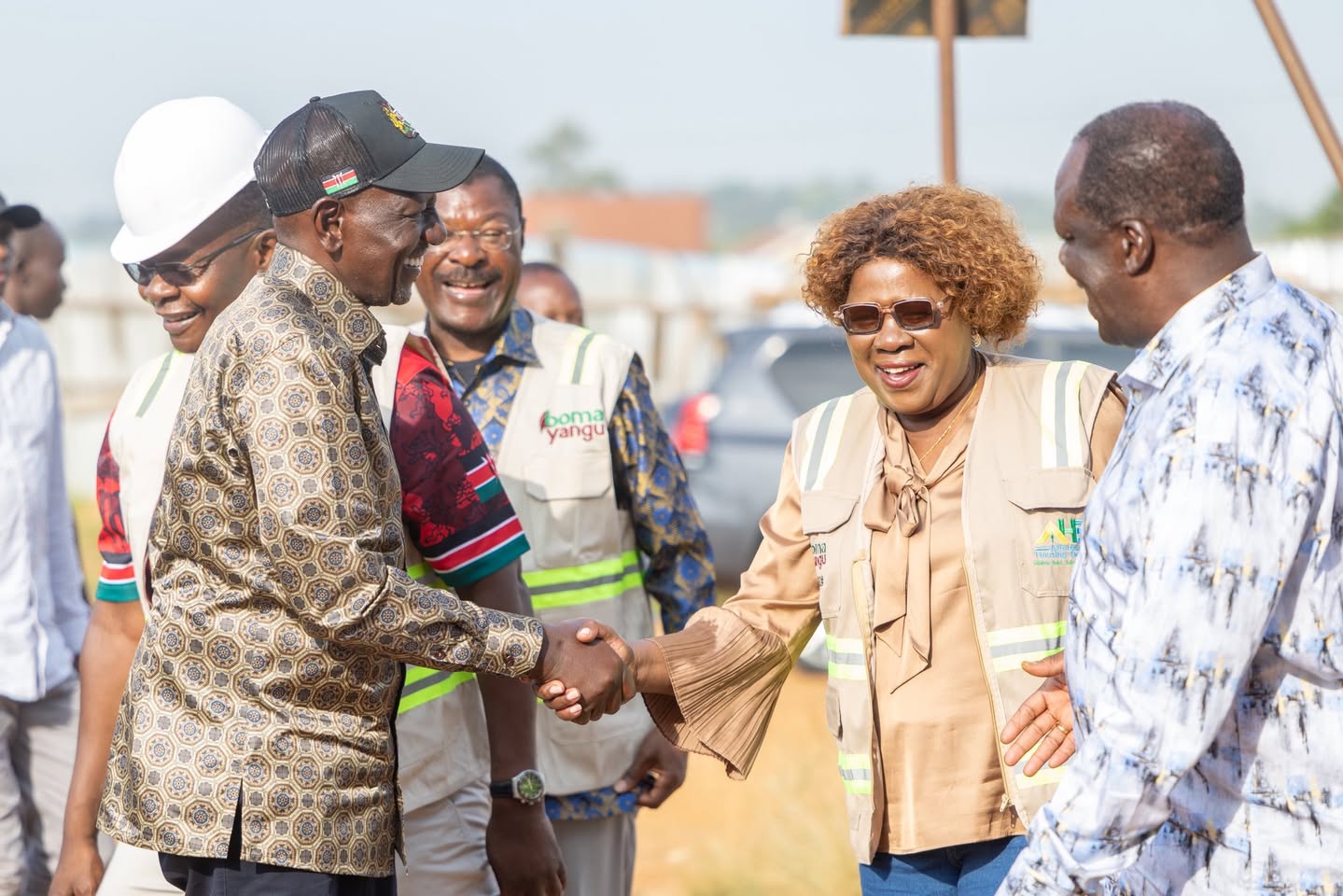
During his recent tour of the region, the President launched
and commissioned a series of high-impact initiatives aimed at improving
infrastructure, stimulating economic growth and enhancing livelihoods.
The move underscores the government’s intention to deepen
its footprint in a vote-rich region that has historically leaned towards the
opposition, often citing marginalisation and underinvestment.
This is as the battle for Western Kenya is quietly emerging
as one of the most decisive fronts in the next General Election.
Both the ruling administration and an emboldened opposition
are keenly aware that the region’s voting patterns could tilt the balance of
power.
Analysts argue that sustained and visible development may be
a key factor that reshapes political loyalties.
Political analyst Daniel Orogo said large-scale
infrastructure projects have the potential to fundamentally alter the region’s
political calculus.
He said investments in roads, railways, energy and
irrigation can create a perception that Western Kenya is finally being
integrated into the national development agenda.
“These are not just symbolic projects, they directly affect
people’s lives,” Orogo said. “When communities begin to associate these gains
with the current administration, political support can gradually shift from
skepticism to pragmatic backing.”
Among the flagship initiatives is the extension of the
Standard Gauge Railway (SGR) from Naivasha to Kisumu and eventually to Malaba.
The project, which traverses several counties in the western
corridor, is expected to significantly ease the movement of goods and
passengers, while strengthening regional trade links.
The railway expansion builds on the first phase of the SGR
from Mombasa to Naivasha, which was initially criticised by skeptics but has
since become a critical component of Kenya’s transport infrastructure.
The new phase aims to connect Kenya more efficiently to
Uganda and the wider East African region, positioning the country as a
logistics hub.
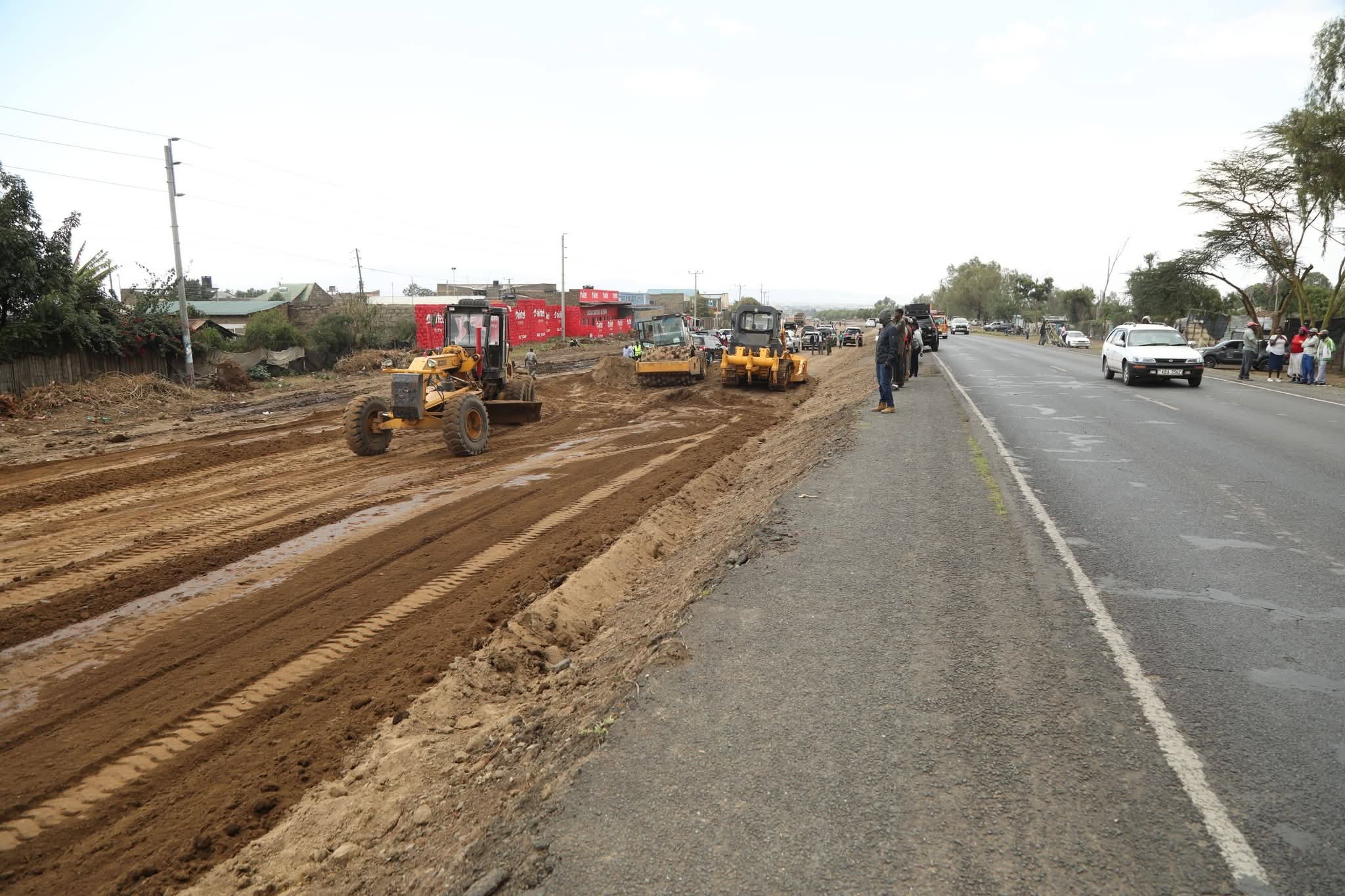
Equally significant is the construction of the 175km
Rironi-Naivasha-Nakuru-Mau Summit highway, a Sh170 billion to Sh200 billion
project being implemented through a public-private partnership.
The highway is designed to expand into a four- to six-lane
dual carriageway, easing traffic congestion on the busy Northern Corridor.
Once completed, the road is expected to reduce travel time,
lower transport costs and improve safety through modern features, such as
interchanges, overpasses and underpasses.
Beyond its immediate benefits, the highway is set to unlock
economic opportunities by improving access to markets, schools, healthcare
facilities and other essential services.
Political commentator Fred Sasia said that such
infrastructure investments often trigger a ripple effect across local
economies.
Improved roads and reliable electricity, he said, tend to
attract private investors, leading to the growth of small businesses, urban
centres and service industries.
“As local economies expand, so does the tax base and the
perception of government effectiveness,” Sasia said.
“If residents see a clear link between national leadership
and regional prosperity, voting behaviour can become more transactional,
rewarding leaders who deliver development rather than those aligned with
historical or ethnic loyalties.”
The economic argument is particularly compelling in a region
where agriculture remains the backbone of livelihoods.
Investments in irrigation, transport and market access can
increase productivity and incomes, reducing vulnerability to climate shocks,
while creating employment opportunities both during and after project
implementation.
DAP-K Western regional coordinator Caleb Burudi said the
President’s aggressive development push could resonate with residents on the
ground.
Visible progress has the potential to shift long-held
perceptions among communities that have historically felt sidelined, he said.
“The President may gain significant ground with these
projects,” Burudi said. “The Opposition will have to up their game, even though
their resources may be severely limited.”
Burudi added that development is increasingly becoming a
central factor in shaping political preferences in the region.
However, Burudi cautioned that the political benefits of
these projects are not guaranteed.
He explained that issues such as implementation timelines,
transparency and equitable distribution of resources across counties will play
a critical role in shaping public perception.
“Delays, stalled projects or perceptions of favouritism
could undermine the intended impact and reinforce existing skepticism,” he
said.
On the other hand, he added, consistent delivery and
effective communication could help the administration build trust and
credibility in the region.
As the 2027 elections draw closer, Western Kenya is expected
to remain a battleground where development and political strategy intersect.
![[PHOTOS] The new Ngong –Naivasha Road viaduct](https://cdn.radioafrica.digital/image/2026/06/64d4f771-4432-4aee-ba3c-2f304c4436ec.jpg)










![[PHOTOS] 'Mr Speaker Sir' Gen Z protester in court](https://cdn.radioafrica.digital/image/2026/06/b3e62d8e-25c3-4780-90f9-4eb48b1ce8a7.jpg)