Kenya and Egypt have started to implement a strategic and comprehensive partnership aimed at deepening economic, energy and political ties.
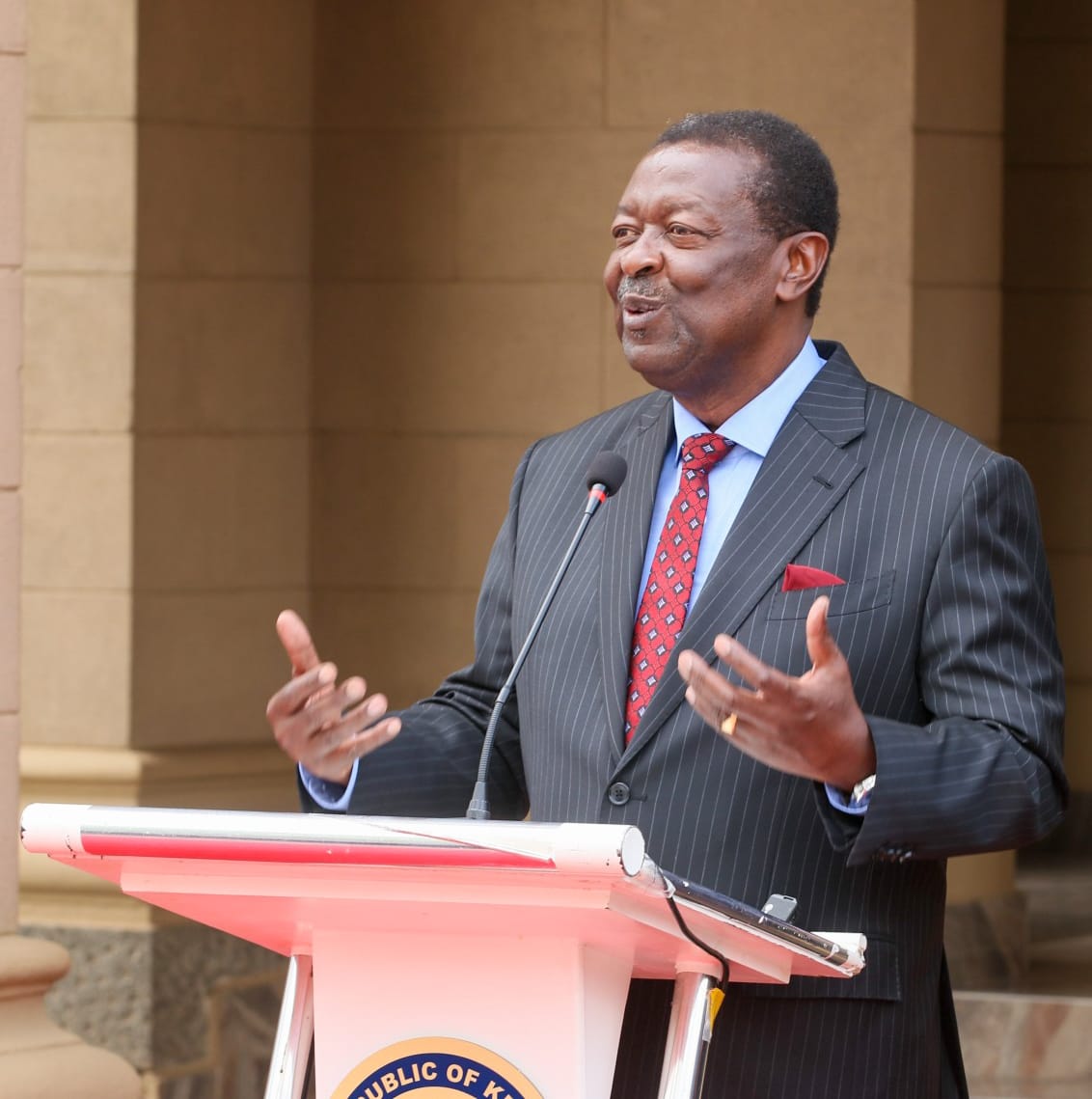
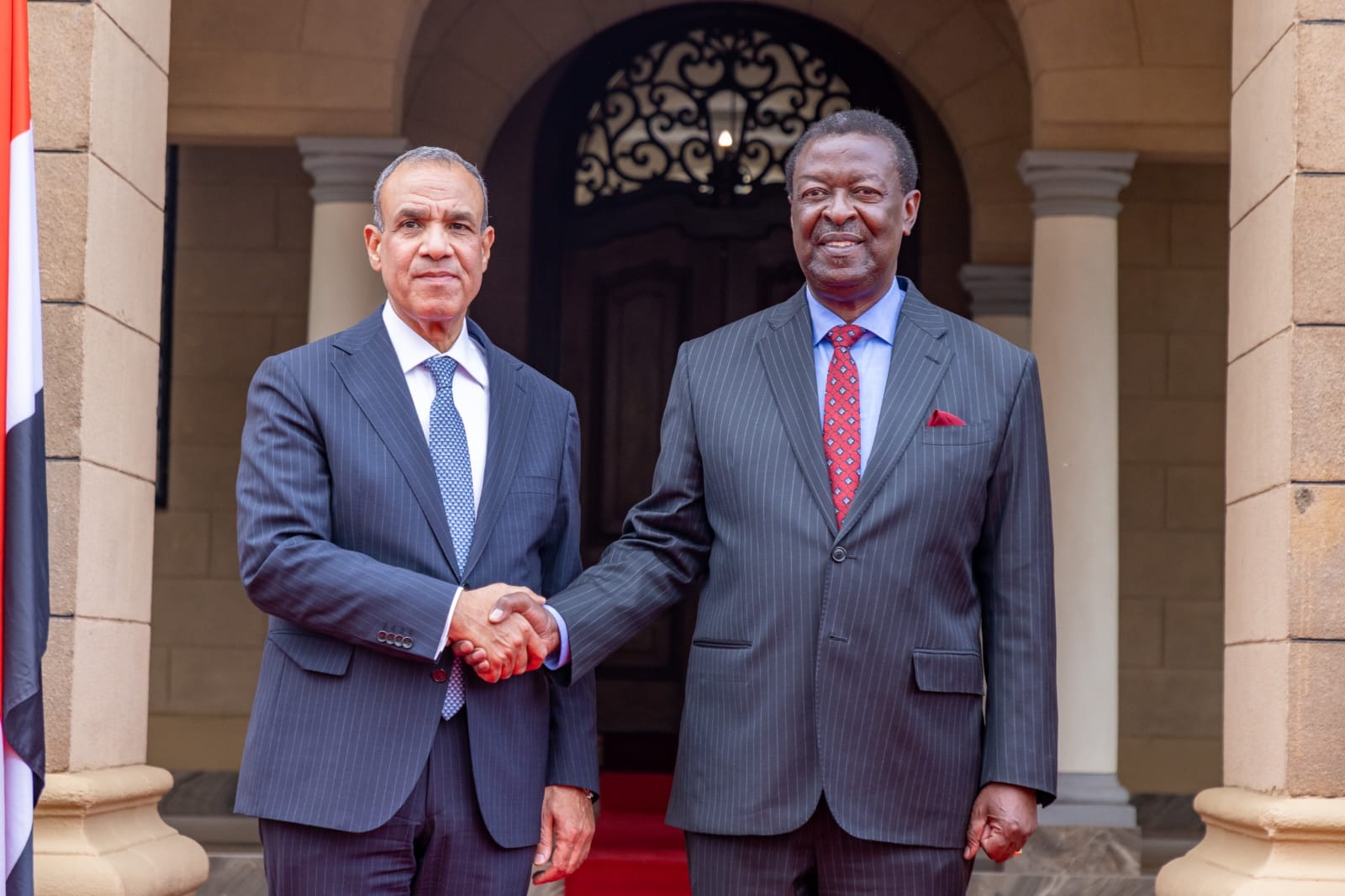
The move follows high-level consultations between Prime Cabinet Secretary Musalia Mudavadi and Egypt’s Minister of Foreign Affairs Badr Abdelatty.
The discussions build on agreements reached earlier by President William Ruto and his Egyptian counterpart Abdel Fattah el-Sisi.
Under the framework, the two countries will prioritise expansion of trade and investment, collaboration in renewable energy and promotion of industrial development.
Plans are underway to establish pharmaceutical manufacturing in Kenya as part of efforts to boost local production and strengthen supply chains.
Mudavadi emphasised the importance of moving from dialogue to implementation.
“Kenya and Egypt share a long-standing relationship anchored in mutual respect and African solidarity. We are now focused on translating our Strategic Partnership into tangible outcomes that expand trade, strengthen industrial capacity and promote regional stability,” he said.
Bilateral trade reached about $567 million in 2024, a level both governments consider below potential given the scale and complementarity of their economies.
To close this gap, Nairobi and Cairo are fast-tracking the Kenya–Egypt Joint Business Council, focusing on streamlining customs procedures, addressing non-tariff barriers and expanding private sector engagement across priority industries.
Egypt has also indicated its readiness to channel part of its estimated $14
billion African investment portfolio towards Kenya.
The anticipated investments spanning manufacturing, construction, logistics and renewable energy would reinforce Kenya’s role as a commercial and industrial gateway to East Africa, while expanding Egyptian commercial presence in the region.
Minister Abdelatty underscored Cairo’s commitment to deepening economic cooperation.
“Egypt views Kenya as a strategic partner in East Africa. We are committed to enhancing investment flows, strengthening energy cooperation and working closely within the African Union to advance peace, development and institutional reform across the continent,” he stated.
Kenya and Egypt are also enhancing coordination within the African Union, focusing on regional stability and institutional reform.
In addition, the partnership will see cooperation on Nile Basin development and infrastructure projects.
The question of Nile Basin water governance remains embedded within the broader framework of cooperation.
Mudavadi reiterated Kenya’s principled position, stating, “The utilisation
of shared water resources must be guided by equity and mutual benefit, ensuring
that no riparian state is disadvantaged.”