

Agriculture Cabinet Secretary Mutahi Kagwe has said donor-funded agricultural projects must be managed with the same discipline applied to public debt.
Kagwe noted that many facilities branded as donor support are, in reality, loans that must yield tangible and measurable benefits for farmers and the country at large.
Kagwe said Kenya must abandon what he described as “loose arrangements” and instead embrace well-structured, citizen-owned and citizen-driven programmes anchored in sound policy and aligned with national development priorities.
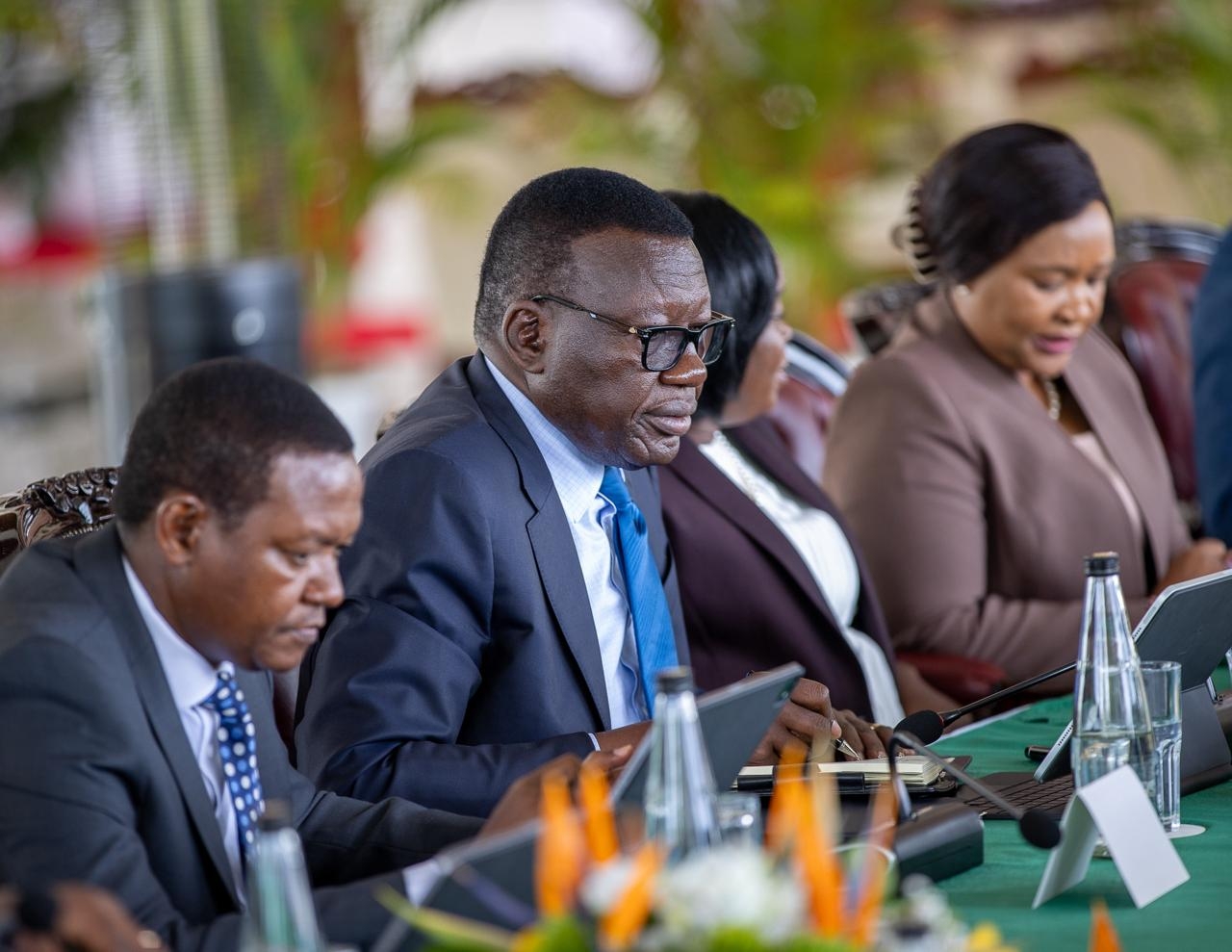
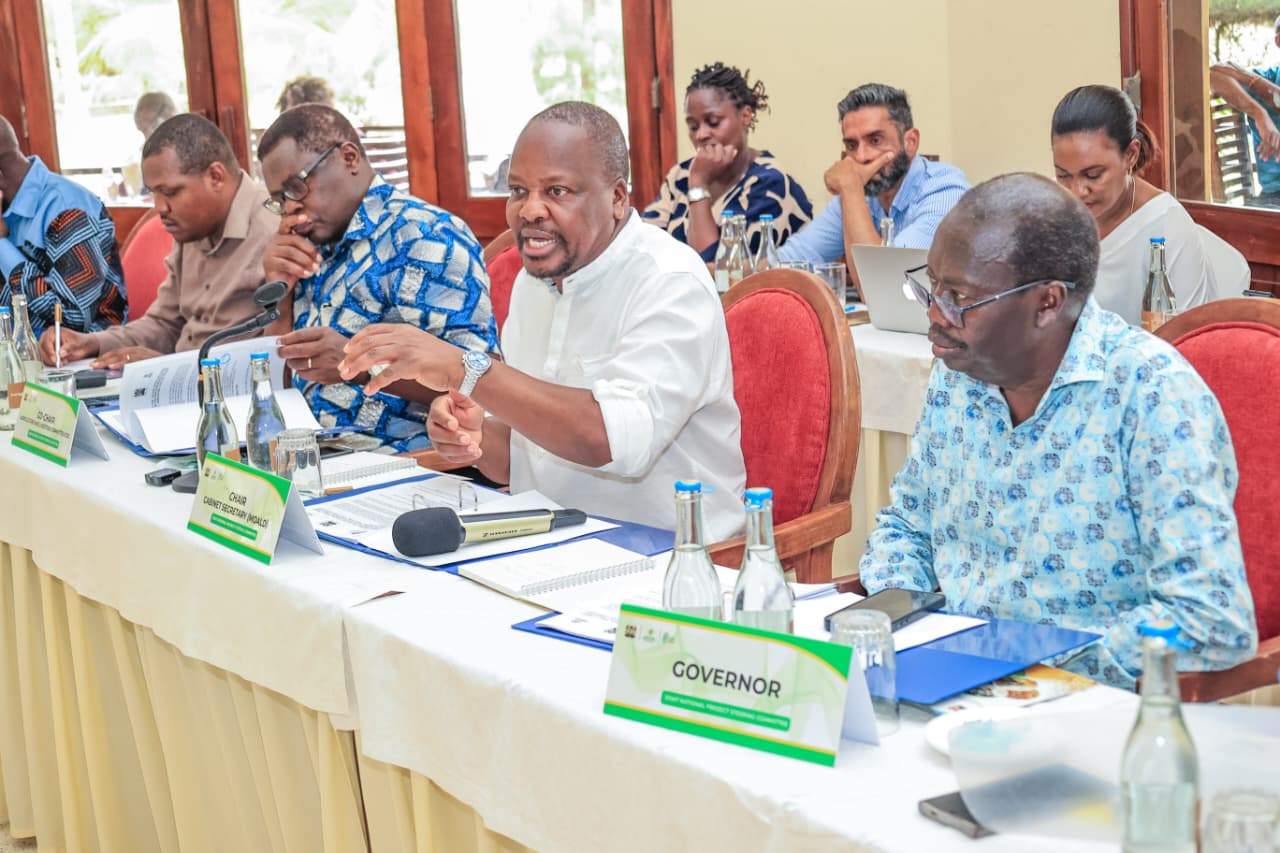
He spoke during the Joint National Project Steering Committee (NPSC) meeting for World Bank-financed agricultural projects in Kilifi.
“Donor financing is not free money. These are loans, and we must be honest about that. Every facility must align with our agenda and produce results for farmers and this country,” Kagwe said.
The CS pointed to the recently approved Livestock Value Chain Support Project (LVSP), which aims to boost dairy productivity, cut post-harvest losses and raise farmer incomes through improved genetics, feeds and fodder, expanded cold-chain infrastructure and stronger farmer organisations.
However, Kagwe raised concern over procurement choices appearing in project plans, including items such as ice cream makers, milk cans and motorbikes, questioning their sourcing and relevance.
“We cannot be buying basic items from countries like Poland through 'tied-aid' facilities, when these can be sourced locally or better aligned to our needs. Procurement must make economic sense and support Kenyan industry,” he said.
Kagwe also urged the National Treasury to work closely with line ministries before negotiating external financing, warning that facilities agreed without technical input risk misalignment and waste.
Council of Governors Agriculture committee chairperson, Governor Ken Lusaka (Bungoma), echoed the call for strict compliance.
He cautioned that some counties risk being dropped from projects if they fail to meet performance benchmarks.
“Let us change the lives of farmers, but let us also observe compliance. Counties must perform, or they will be discontinued,” Lusaka said.
Baringo Governor Benjamin Cheboi backed the push for accountability, calling for prudent use of donor resources to ensure projects translate into tangible benefits at the grassroots.
Discussions at the meeting will shape annual work plans and budgets for the 2025/2026 financial year and set the direction for how Kenya deploys external financing to strengthen agriculture value chains