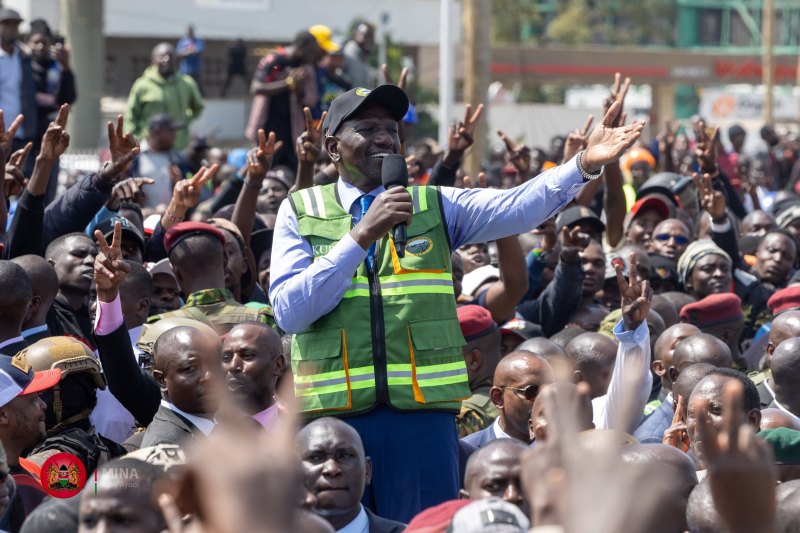
President William Ruto on Tuesday defended his administration’s flagship development programmes, insisting that key government targets were on track despite criticism from opponents.
The President said the Sh5 trillion development plan launched this week would be halfway implemented by next year, dismissing claims that the targets were unrealistic.
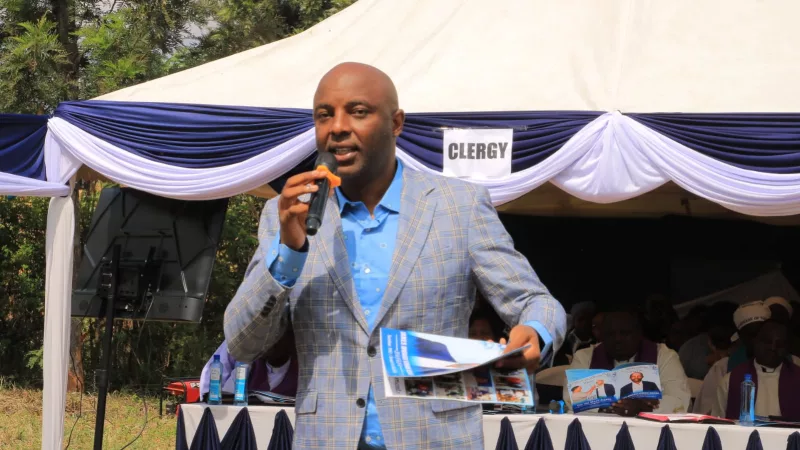
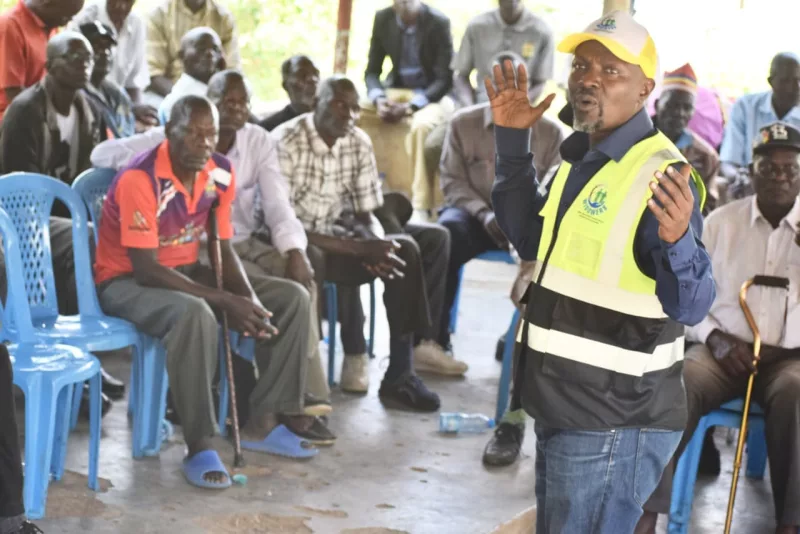
Speaking during the Tobung’u Lore cultural event in Turkana County, Ruto cited the recruitment of more than 100,000 teachers as proof that his government was delivering on pledges previously termed impossible.
“The five trillion plan we started yesterday, by next year, we will be halfway. Others are saying it is not possible, but I know it is possible. They told us that employing over 100, 000 teachers is impossible, by January, we will have achieved that target. They told us building roads was not achievable, as you can see, we have constructed that road, and it is done,” he said.
He also pointed to completed road projects as evidence of progress in infrastructure development.
Addressing concerns over the Social Health Authority (SHA), the President said 28.5 million Kenyans had already registered, adding that consultations with hospital managers confirmed the scheme was operational.
He dismissed critics of SHA, arguing that those questioning its effectiveness had not yet needed its services.
“Some critics said that the Social Health Authority is not working. As I talk to you, 28.5 million Kenyans have registered in SHA. I have engaged those who run the hospitals, and they have assured me that SHA is working. Those who are saying that SHA is not working is because they have not been sick; the day they will be sick, that is when they will know that SHA is working.”
The President maintained that his administration would continue to implement
its agenda despite scepticism, insisting that tangible results were already
visible across sectors.
On Monday, the Cabinet approved the establishment of the National Infrastructure Fund and the Sovereign Wealth Fund, kicking off an ambitious Sh5 trillion long-term development and economic transformation agenda.
According to a dispatch from State House, the two funds will serve as the backbone of the government’s plan to transition Kenya into a first-world economy through a sustainable, investment-led growth model that reduces overreliance on borrowing and taxation.
Approved as a limited liability company, the National Infrastructure Fund will act as the central vehicle for aligning public financial resources with national development priorities.
The fund is expected to play a critical role in mobilising domestic capital, monetising mature public assets and crowding in private sector investment for large-scale infrastructure projects.
Through innovative resource mobilisation, strategic asset monetisation, democratisation of ownership via capital markets and the deployment of national savings, the government aims to unlock long-term private capital to finance priority investments.
This approach is designed to shift infrastructure financing away from debt-heavy models toward partnerships that preserve public value while accelerating delivery.