The High Court has asked prosecutors in the Albert Ojwang murder case to consider further reducing their list of witnesses.
The judge cautioned that an excessive number could prolong the trial unnecessarily, despite the case’s public interest.
Justice Diana Kavedza issued the directions during a pre-trial mention on Monday at the Kibera High Court after the Independent Policing Oversight Authority (IPOA) disclosed that it intends to rely on 28 witnesses to prove the case.
The judge directed the prosecution to narrow the list to 24 witnesses, noting that with six defence advocates on record, extensive cross-examination could stretch the proceedings for years if the witness list remains long.
“Credibility of evidence is more important than the volume,” Justice Kavedza said, cautioning that courts do not require dozens of witnesses to establish criminal liability.
She observed that under the current courtroom arrangement, the court would only manage to hear a maximum of three witnesses per day.
At that pace, she said, a case involving 28 witnesses could take close to two years to conclude, depending on the length and complexity of cross-examination.
Justice Kavedza directed the investigating officer to work closely with IPOA to streamline the prosecution file and retain only those witnesses whose evidence is essential to proving the charges.
“You do not need 100 witnesses to prove a case,” the judge said, adding that she had previously convicted in matters where the prosecution relied on a single witness supported by medical evidence.
“What matters is the credibility of the evidence placed before the court," she added.
The prosecution told the court that the list of witnesses had already been reduced, but the judge maintained that further trimming was necessary to ensure the trial proceeds efficiently.
The court further noted that the presence of multiple defence counsel would inevitably lengthen proceedings if the witness list is not carefully managed.
Justice Kavedza emphasised that the Ojwang murder case is a matter of public interest and would be subject to strict case management guidelines aimed at ensuring timely justice.
She indicated that the court expects the prosecution to present its case within a defined timeline once the hearing commences, noting that the judiciary is under increasing pressure to minimise delays in criminal trials.
The court further directed that the supply of critical CCTV footage capturing what transpired is essential before hearing dates can be fixed.
“Without the CCTV, we cannot set hearing dates. I am sure you are all anxious to know what transpired,” the judge said.
A further pre-trial conference was scheduled for January 27, 2026, to confirm readiness to proceed.
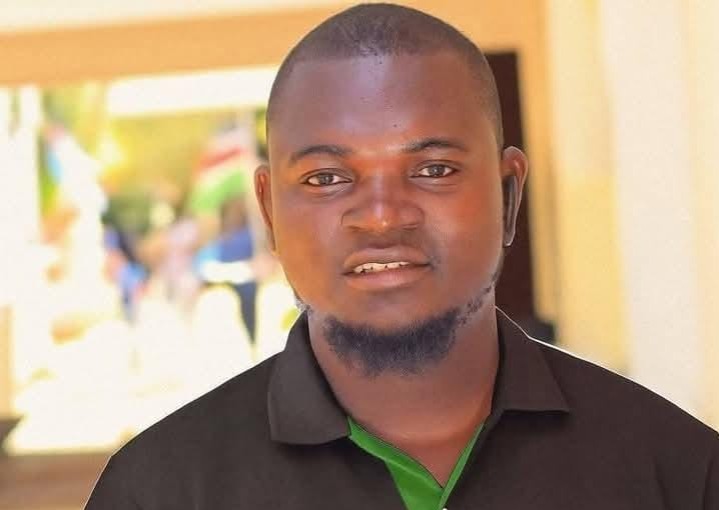
Teacher and blogger Albert Ojwang died while in police custody on June 8, 2025.
Former Nairobi Central OCS Talaam and five other individuals have been charged in connection with his death and are currently facing proceedings in the High Court.