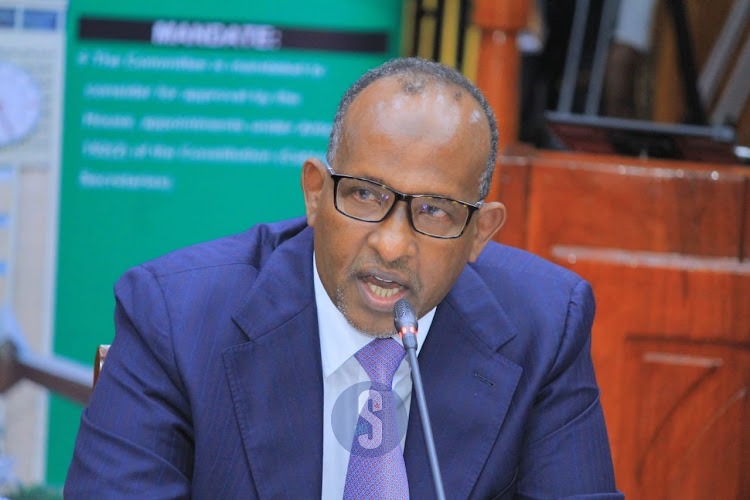
 Health Cabinet Secretary Aden Duale/FILE
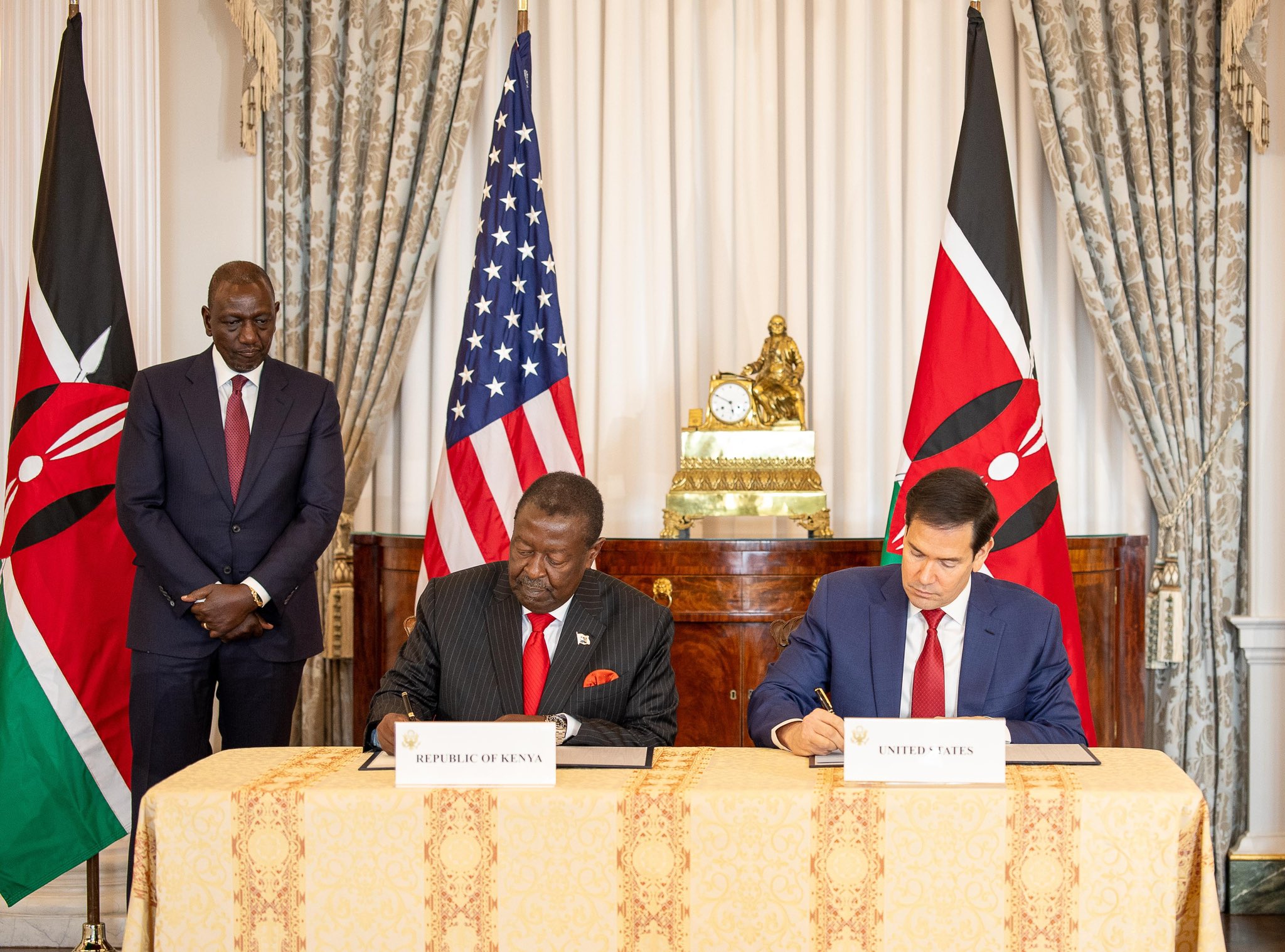
The government has moved to reassure Kenyans that the Health Cooperation Framework and Data Sharing Agreement signed with the United States last week will not compromise the country’s sovereignty or expose citizens’ personal information.
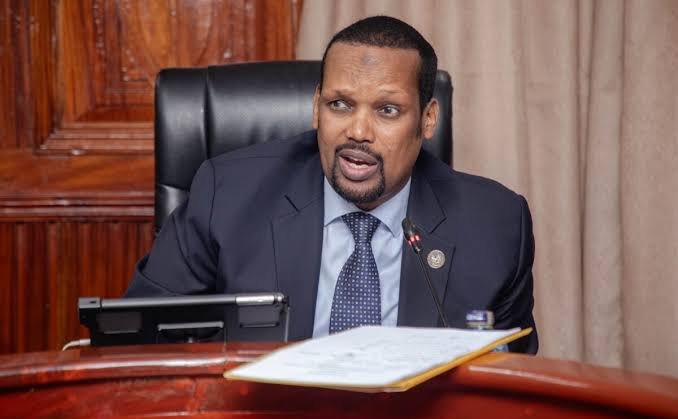
In a statement released on Friday, Health Cabinet Secretary Aden Duale said the partnership was crafted to “secure immense benefits for the Kenyan people” and to shift health financing to a direct government-to-government model that improves accountability and strengthens universal health coverage.
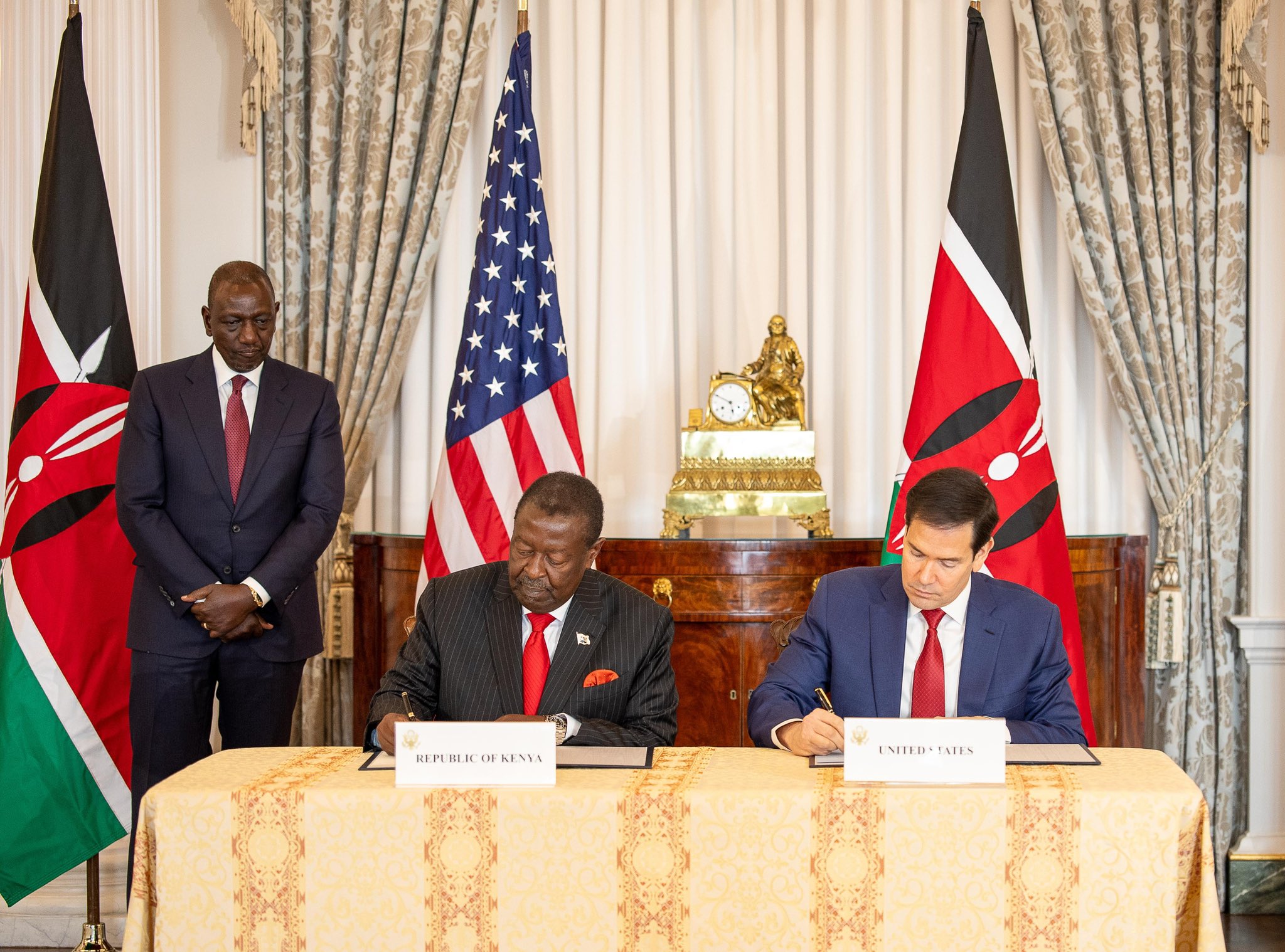
Kenya became the first country to enter such an arrangement with the US following the December 4 signing.
Under the pact, Washington will invest $1.6 billion (Sh208 billion) in Kenya’s health sector over the next five years, with funds channelled directly to public institutions rather than non-governmental organisations.
Duale said the Framework was developed with “strict adherence to due process” and fully protects Kenya’s data ownership and intellectual property.
He insisted that fears of mass data sharing with the US are unfounded, noting that the agreement was deliberately structured as a cooperative policy instrument rather than an international treaty.
“This is explicitly codified in Article 5(g) of the Data Sharing Agreement, which states that the framework does not constitute an international agreement under international law,” he said.
The CS added that the document contains robust safeguards to protect citizens’ information. Article 2(a), he said, requires “strict compliance with the Data Protection Act, 2019 and the Digital Health Act, 2023,” while Article 5(f) includes a “supremacy clause” ensuring that Kenyan law prevails where any conflict arises.
According to the ministry, only aggregate data may be shared, meaning personal details cannot be disclosed.
Duale further addressed public debate sparked by court orders suspending aspects of the data-sharing component. He clarified that the conservatory orders only affect the transfer of data and do not halt the broader health partnership between the two governments.
“We fully recognise and respect the crucial role of the Courts in interpreting the law and safeguarding the rights of Kenyans,” he said.
He added that the government is confident that once the court reviews the “full documentation and facts which were not available prior to the issuance of the interim orders,” it will appreciate the intent of the agreement.
Duale expressed optimism that the judiciary will affirm that “all legal due processes were followed” and that the agreements comply with the Constitution and Kenya’s laws.
The ministry maintained that the deal will strengthen health security, improve disease prevention and boost the delivery of universal health coverage, describing it as a milestone in Kenya’s long-term health reform agenda.