The High Court has temporarily suspended the implementation of the Sh208 billion US-Kenya health deal pending the hearing and determination of a case challenging the agreement.
Justice Bahati Mwamuye gave the orders in a case filed by Consumers Federation of Kenya (COFEK) seeking to quash the deal on grounds of violating several laws.
“Pending inter parties hearing and determination of the Notice of motion Application dated 09/12/2025, a conservatory order ne and is hereby issued suspending, staying and/or restraining the respondents, whether by themselves, their agents or assigns, from implementing, operationalising, or howsoever giving effect to the Health Cooperation Framework executed on or about December 4, 2025 between the Government of Kenya and Government of the United States of America,” the ruling says
The order applies insofar as it provides for or facilitates the transfer, sharing or dissemination of medical, epidemiological or sensitive personal health data.
Justice Mwamuye directed COFEK to serve the respondents with the petition and court order in both hardcopy and softcopy and file affidavits of service by close of business on the 17th of December, 2025.
The respondents were then given until January 16, 2026, to enter an appearance and file their response with the case slated for mention on February 12, 2026, before Justice Lawrence Mugambi, for compliance and directions on the expedited hearing of the petition.
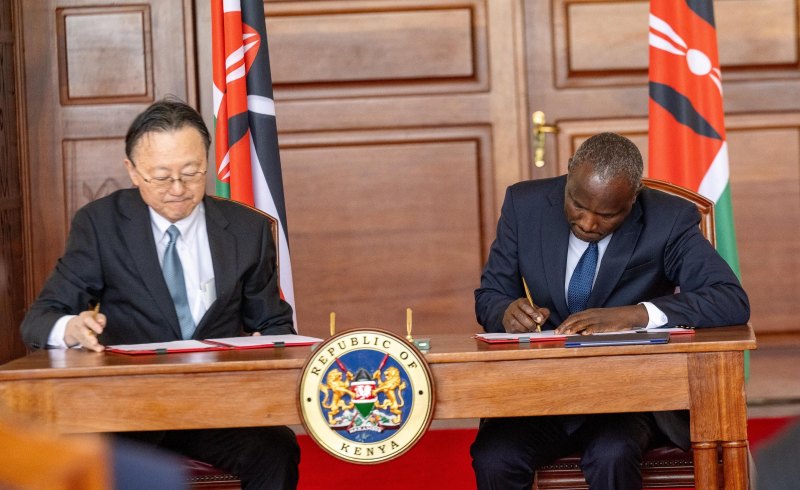
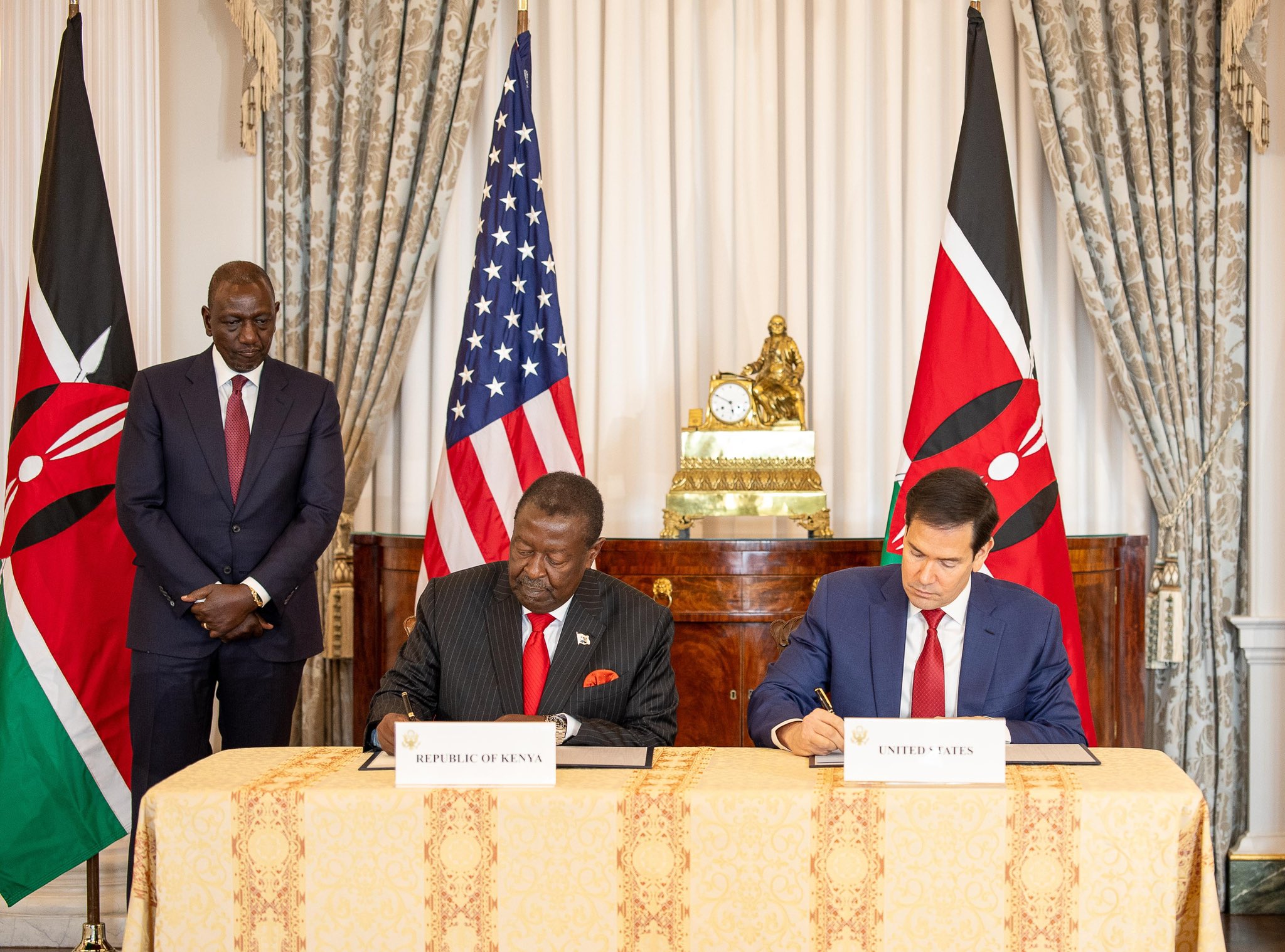
The deal had been signed in Washington, DC, on December 4 by Prime Cabinet Secretary Musalia Mudavadi and US Secretary of State Marco Rubio, in a ceremony attended by President William Ruto.
COFEK moved to court to challenge the Sh208billion Kenya–US Health Cooperation Framework Agreement, arguing that the provision on data transfer violates constitutional safeguards and exposes Kenyans’ medical information to misuse.
The federation argues its case that consumers, as primary beneficiaries and sources of health data, were never involved before the deal was inked.
The lobby group has listed Health Cabinet Secretary Aden Duale, Mudavadi, who is also the Foreign Affairs CS and Attorney General Dorcas Oduor as respondents.
COFEK in court papers argues that the deal was sealed in violation of several laws that include the Data Protection Act, the Digital Health Act, Heal Act and the Digital Health (Data Exchange Component) Regulations 2025, which demand strong net safeguards before transmitters or sharing of any personal health-related data.
COFEK boss Stephen Mutoro claimed in court papers that Kenya and the US have already begun implementing the law that was rushed without public participation, as enshrined in Article 10 of the Constitution and also violates Article 31 of the Constitution on the right to privacy.
The US-Kenya deal has also been challenged in a second case filed by Busia Senator Okiya Omtatah, who is seeking similar orders from the high court.
“That pending the inter-parties hearing and determination of this application and/or the petition herein the Honourable Court be pleased to grant an order suspending/staying the implementation, operationalisation, and execution of the Cooperation Framework Between the Government of the Republic of Kenya and the Government of the United States of America on Health (Signed 4 December 2025),” Omtatah’s application dated 10th of December, 2025 reads in part.
He has asked the court to issue orders barring the state from expending public funds, entering into contracts or rolling out policy measures pursuant to the Framework until his case is heard and determined.
Omtatah argues that the Framework’s direct channelling of funds through government institutions, while eliminating “third-party intermediaries,” lacks safeguards against mismanagement. Kenya’s commitment to match US funding (estimated at US$850 million in additional health spending) burdens the national budget without independent fiscal modelling.
“The deal is also a threat to the right to health and non-discrimination (Articles 21, 23, 27, and 43). By tying aid to “reform momentum” and US foreign policy (e.g., alignment with “America First” strategies), the Framework introduces conditionalities that prioritise geopolitical interests over equitable Universal Health Care.”