

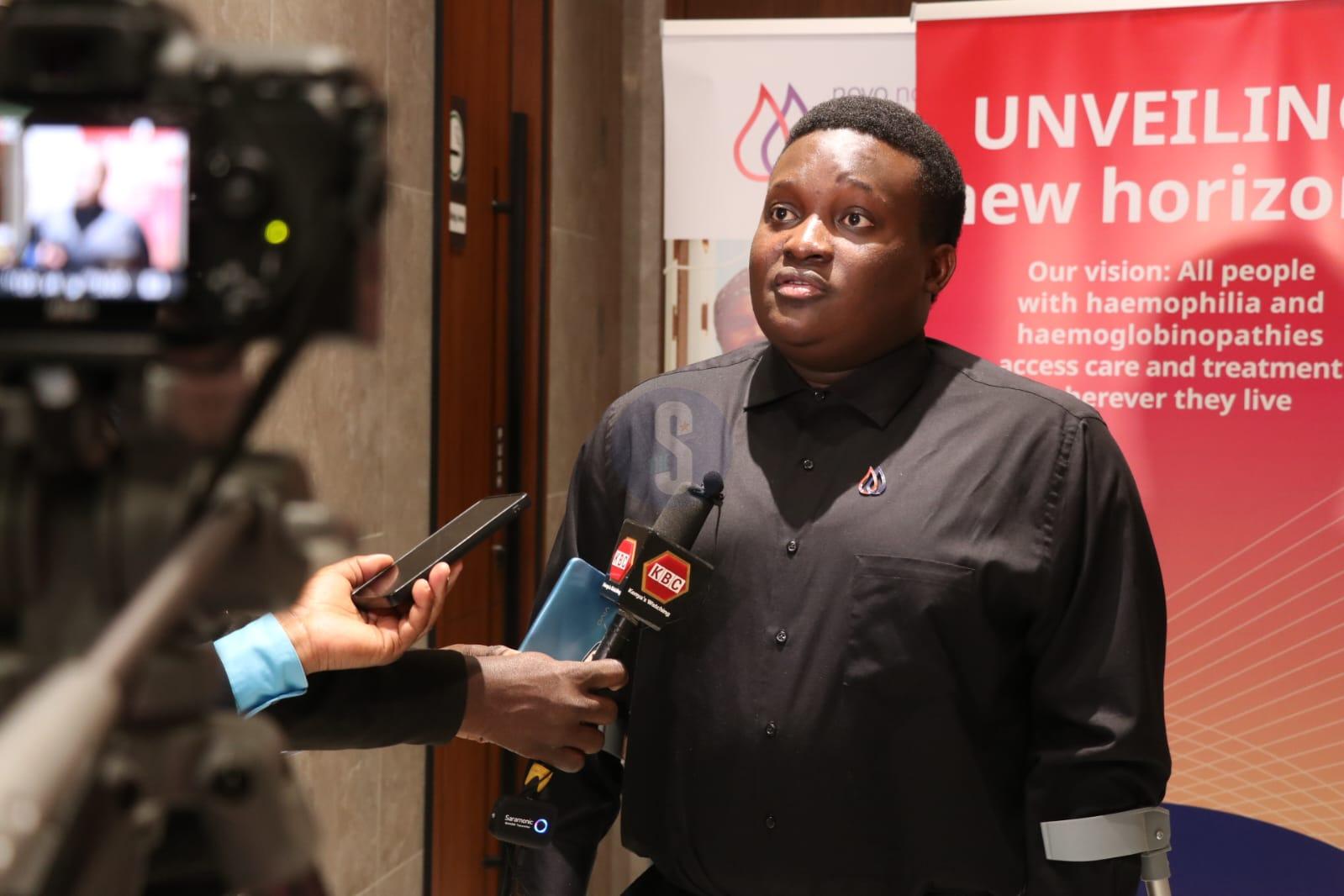
When Humphrey Haji walked to the podium at the Best Western Hotel in Nairobi, he paused before speaking.
Living with haemophilia has shaped every part of his life, and standing in front of a room filled with policymakers, clinicians and partners felt like a rare moment of hope.
Humprey was only five when he had his first case of unusual bleeding, and in 2007, he tripped while playing football, an injury which led to his diagnosis and left him in crutches.
“I have lived with haemophilia since I was born,” he later narrated.
“There are challenges every day. At home, in school, even in explaining yourself to people who do not understand what haemophilia is.”
Humphrey was among patients and stakeholders who witnessed what the Novo Nordisk Haemophilia Foundation called a “new horizon”.
On Thursday, the organisation officially unveiled its expanded identity, the Novo Nordisk Haemophilia and Haemoglobinopathy Foundation (NNHHF), marking its entry into sickle cell disease and thalassemia support.
For Humphrey, this shift means more than a change of name.
“Psychosocial support will help us live better and access care earlier,” he said. “We hope the government can step in and help us get medication consistently.”
“A new chapter begins today”
Haemophilia is a medical condition in which the ability of the blood to clot is severely reduced, causing the patient to bleed severely from even a slight injury.
The condition is typically caused by a hereditary lack of a coagulation factor, most often factor VIII.
Sickle
cell is an inherited disorder affecting the shape of red blood cells, which
carry oxygen to all parts of the body.
Thalassemia is an inherited blood disorder that affects your body's ability to produce hemoglobin and healthy red blood cells.
Dr Natasha Honan, Senior Advocacy and Communications Manager at NNHHF, said the Foundation’s expansion reflects real needs across Africa.
“Today marks the expansion of the Foundation,” she said. “We are now able to support people living with sickle cell disease and thalassemia.”
She noted that most of the global burden for these diseases lies in low- and middle-income countries, noting that they have collaborated with these countries to shine a light and bring hope to the patients and their families.
“Kenya has been a partner for more than 10 years,” she said, “and as we explore into new horizons, we will continue to deepen our support”.
“We have worked closely with the Kenya Haemophilia Association to improve diagnosis and outreach. We will continue doing so as we move into this new chapter.”
She also highlighted the integrated care model introduced in 2019, which allows patients with haemophilia and sickle cell disease to receive services under one roof.
“It eases the patient journey. People do not have to move from one clinic to another,” she said.
Honan stated that NNHHF aims to support 15 countries to reach self-sufficiency by 2030.
“By that, we mean that they are no longer reliant on external support, so they will have a strong patient organisation in place, training needs will be met with the health workforce within the country, treatment will be available and the country actually takes ownership of haemophilia care, meaning that haemophilia care is anchored in the public health system,” she explained.
Diagnosis
remains a major challenge
The
Ministry of Health echoed these concerns. Dr Yvette Kisaka, the Technical Lead
for NCDs, said the conditions have suffered from longstanding neglect.
“These
conditions have been neglected for a very long time,” she said. “Our goal is to
provide the highest quality of care without leaving anyone behind. It is not
aspirational; it is a constitutional right.”
She said
Kenya has introduced infant screening guidelines and updated treatment
protocols. But diagnosis remains low.
Kisaka
stated that the government is now screening children beyond six months to
ensure that they do not miss any cases that might have been overlooked during
earlier screening.
“In
addition to the policy guidelines, we have treatment guidelines for sickle cell
and haemophilia. They are in place to ensure that our health care workers have
the right capacity to be able to manage this condition,” she said.
She said
so far, there are over 1,000 known haemophilia patients, yet the estimate is
much higher.
“While
someone may say this is minimal, for that one person who is not so sure whether
or not they will be able to get up tomorrow, it is a big issue,” she said.
“Even one
child living with chronic pain or fear of bleeding is one too many.”
For sickle
cell disease, she said about 14,000 Kenyan children are born with the condition
each year.
“We are
entering an integrated future,” Kisaka, who also sits at the Hematological
Conditions Technical Working Group, said.
She noted
that sickle cell and haemophilia have been largely neglected, stating that the
ministry is working to ensure that is no longer the case.
“But the
Ministry has taken very key measures to ensure it aligns with the UHC
aspirations of ensuring that everyone gets access to quality of care without
really suffering from any financial hardship,” she said.
Kisaka
acknowledged the challenge of health financing, stating that they are having
discussions around SHA and the three inclusive funds for the inclusion of benefit
packages on sickle cell and haemophilia.
“All the
way from diagnosis to management at the facility level to referrals,” she said.
Dr
Jeremiah Shem, Chair of the Medical Advisory Committee at the Kenya Haemophilia
Association, said the expansion signals a turning point.
“We are in
a very new chapter,” he said. “From today onwards, haemophilia and other blood
disorders will be treated together through an integrated program.”
He said
integration will bring joint advocacy, shared training and stronger capacity
building.
“This
means combined programs for haemophilia, sickle cell disease and thalassaemia,”
he said. “We will now see coordinated care across the country.”
Dr Shem
highlighted the biggest barrier: diagnosis and financing.
“We have
1,430 haemophilia cases diagnosed out of an expected 6,000,” he said.
“Diagnosis is expensive. A single test can cost between Sh5,000 and Sh10,000.”
He praised
partners for bringing modern diagnostic equipment into the country.
“We used
to send samples to South Africa, the UK or the US,” he said. “Now we can
diagnose locally and faster.”
Medication
also remains a challenge, he said. Hydroxyurea, used for sickle cell disease,
is becoming available in county hospitals. But haemophilia medication is still
costly.
“A single injection of factor replacement therapy can cost Sh50,000 to Sh150,000,” he said. “Thanks to partners, these drugs are now available free. This is a big win.”
A
moment filled with hope
As a new
horizon was unveiled, Humphrey reflected on what the day meant.
“There are
many of us who struggle silently,” he said. “This new beginning gives us hope.
If we diagnose early and support families, many people can live full lives.”
Still, he
said, “There are almost 2,500 of us now on care,” he said. “Awareness and
advocacy have helped. If the government and partners do more, many people will
live normal lives.”
For
Kenya’s blood disorders community, the message was clear: a long-awaited
chapter has finally begun.
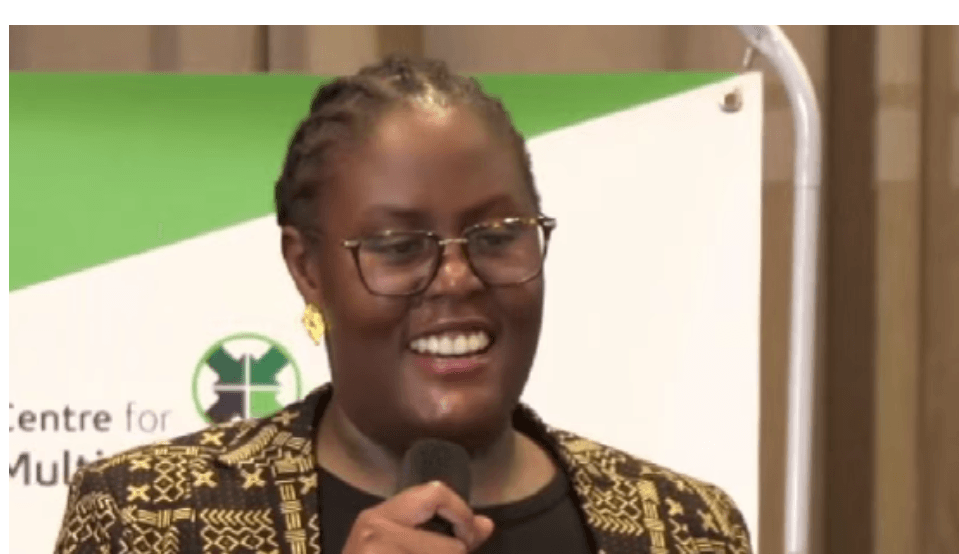
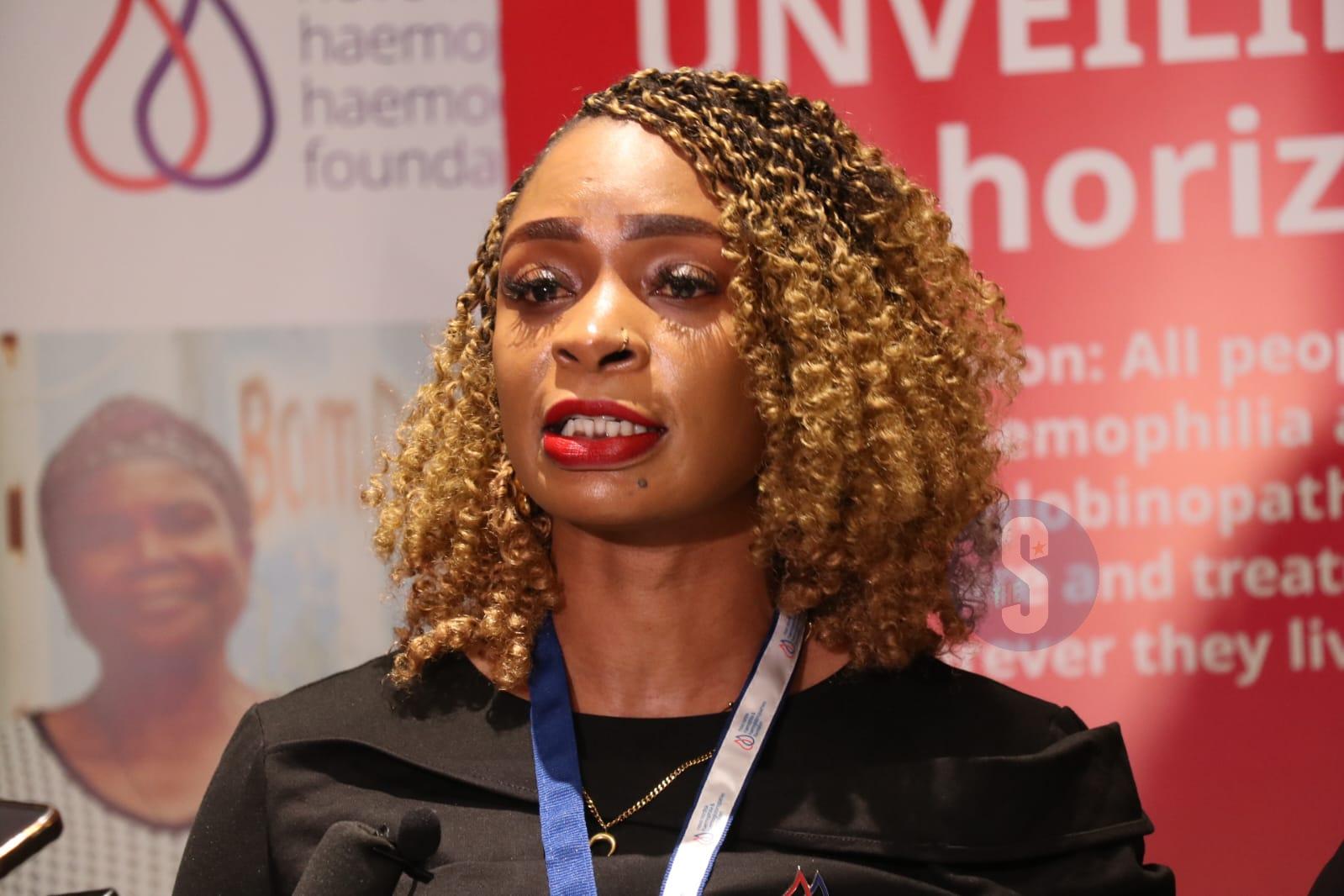
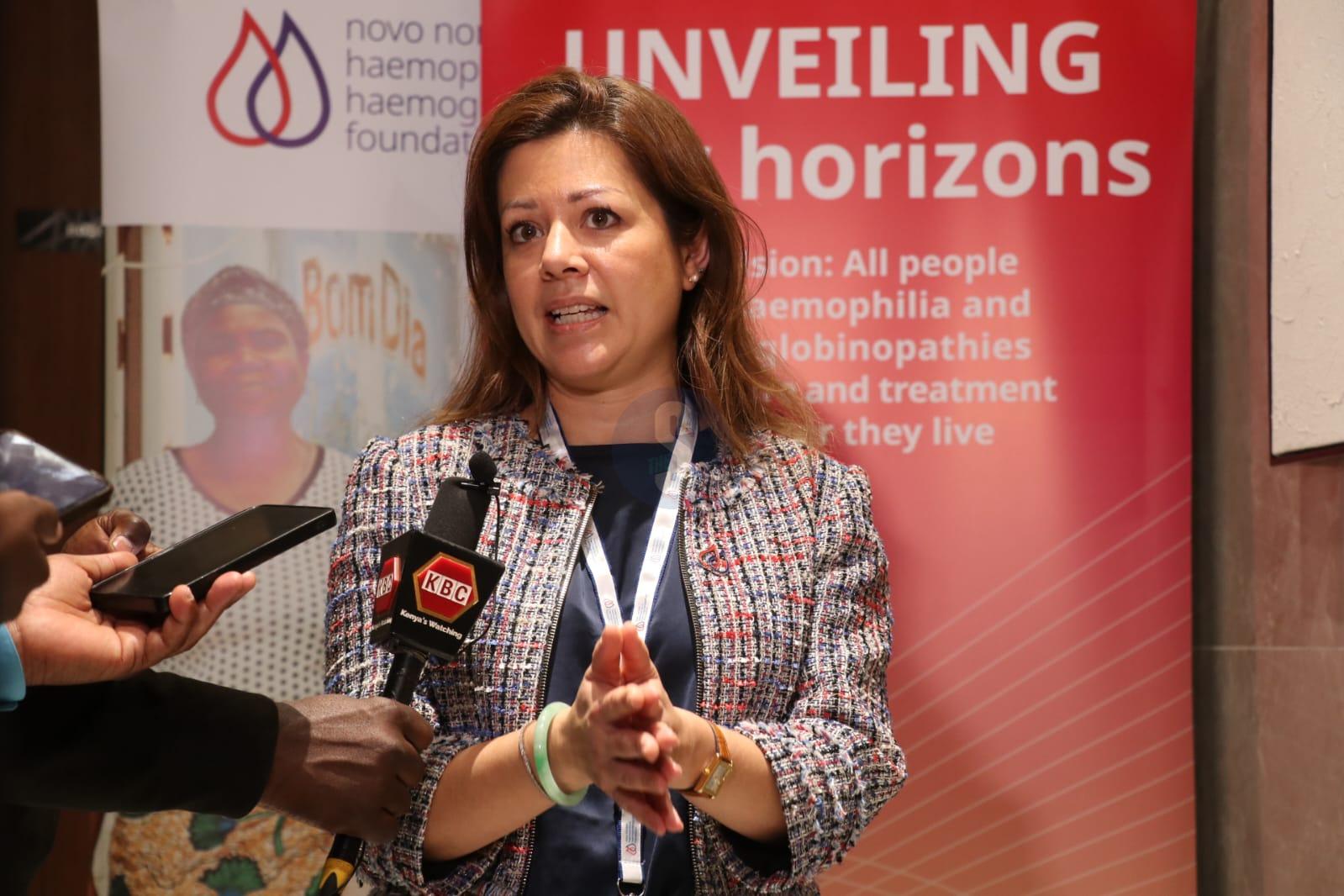 NNHF senior manager, advocacy, communications and strategic partnership senior manager Natasha Honan addresses the media during the unveiling of new horizons of the Novo Nordisk Haemophilia and Haemoglobinopathies Foundation at the Best Western Meridian hotel on December 11, 2025/LEAH MUKANGAI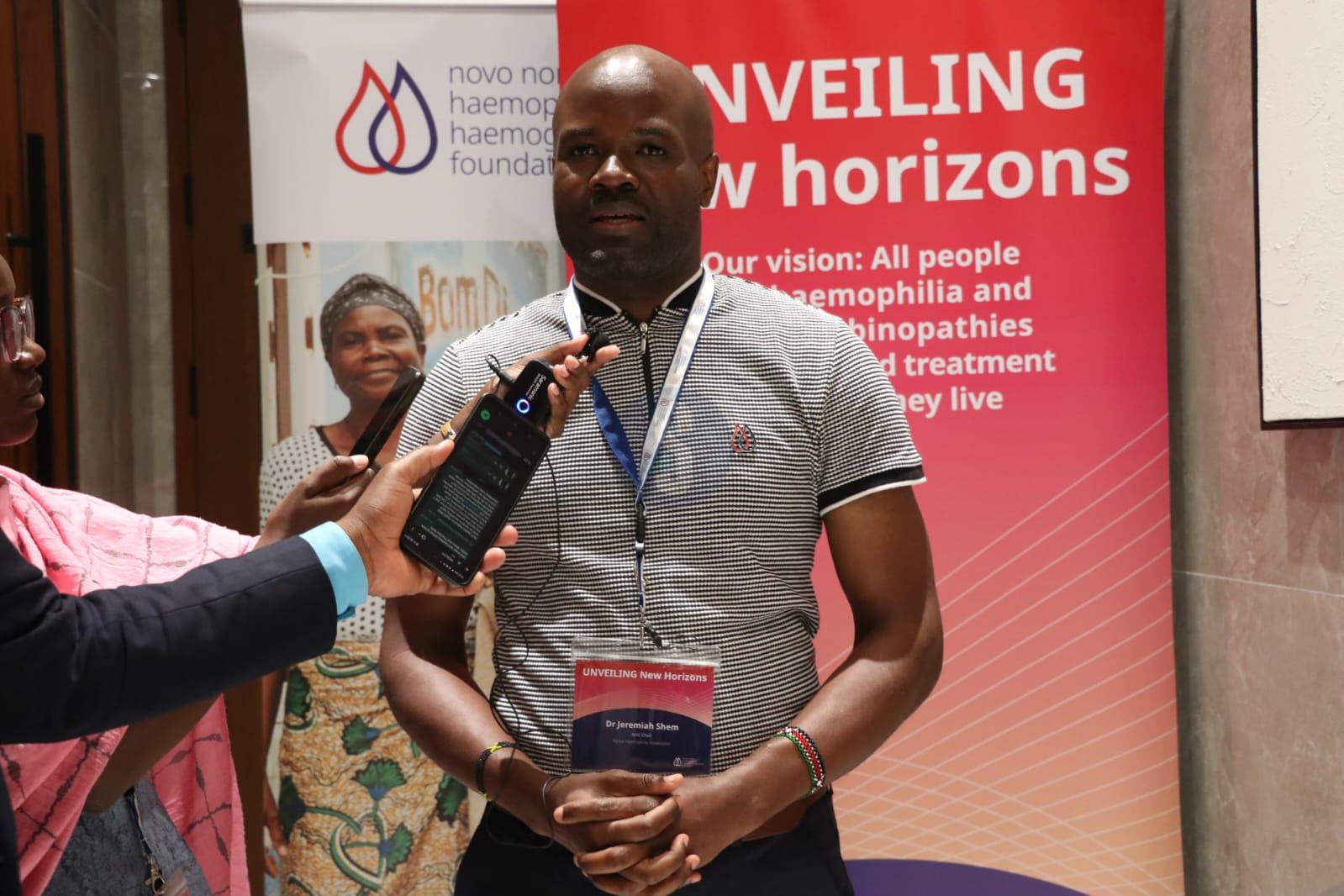
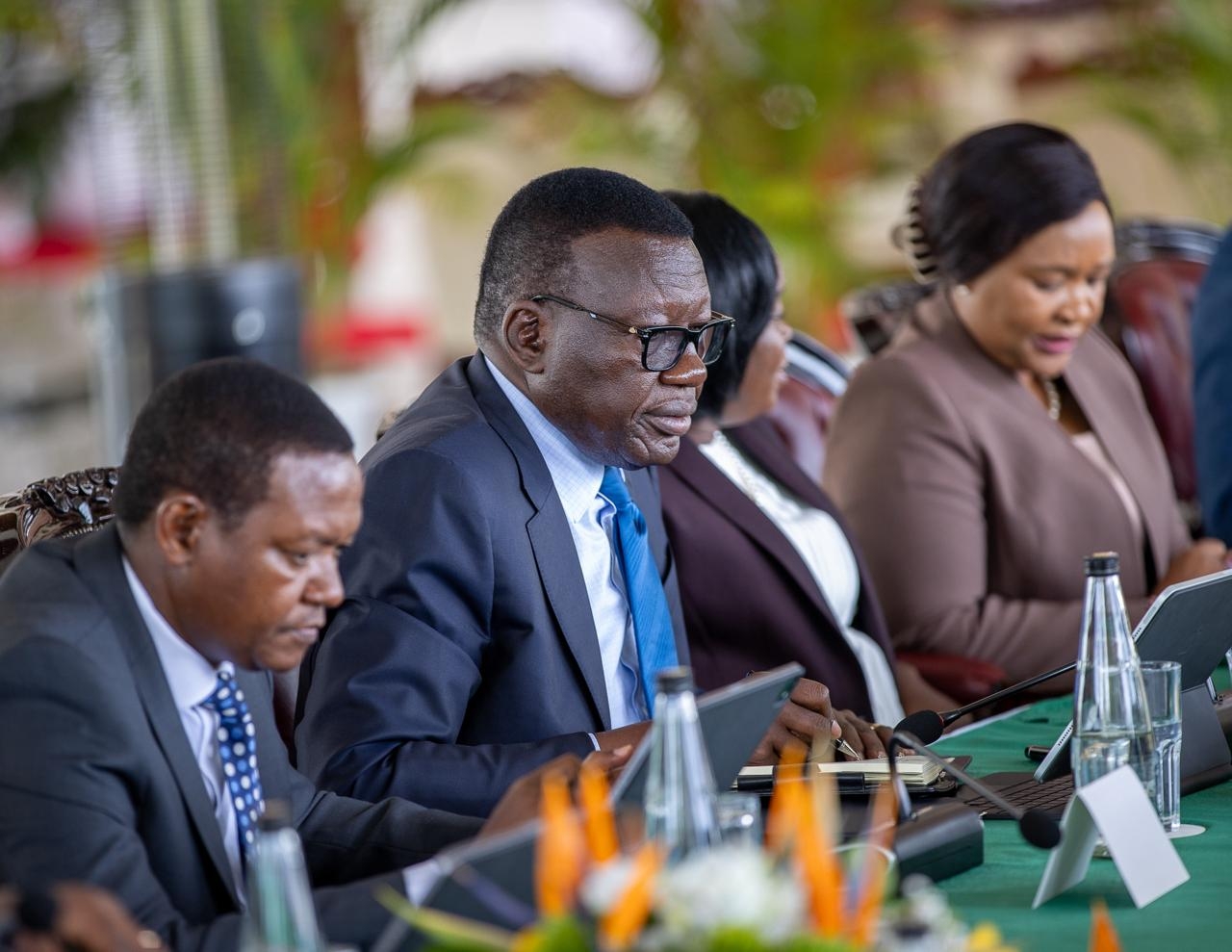
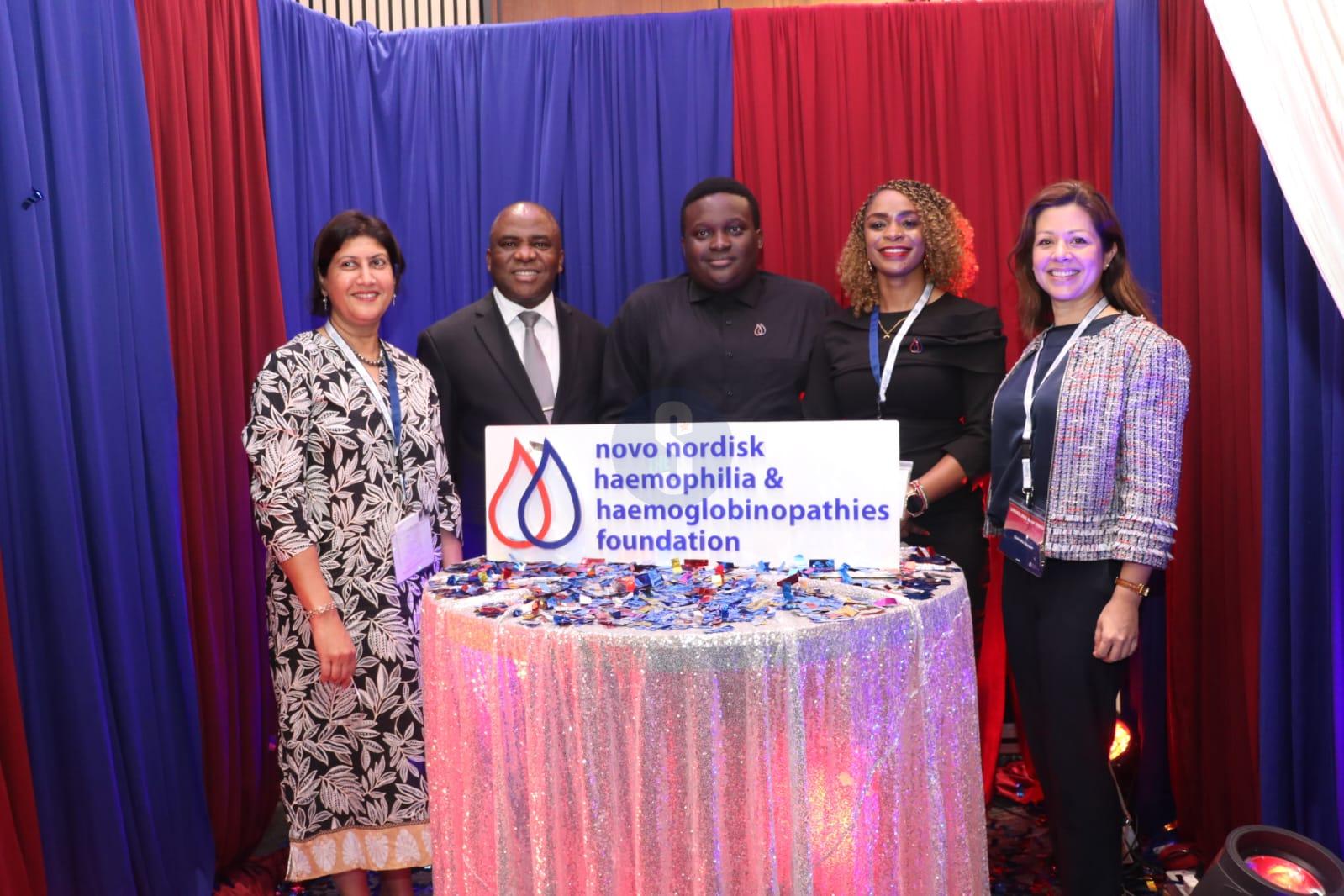
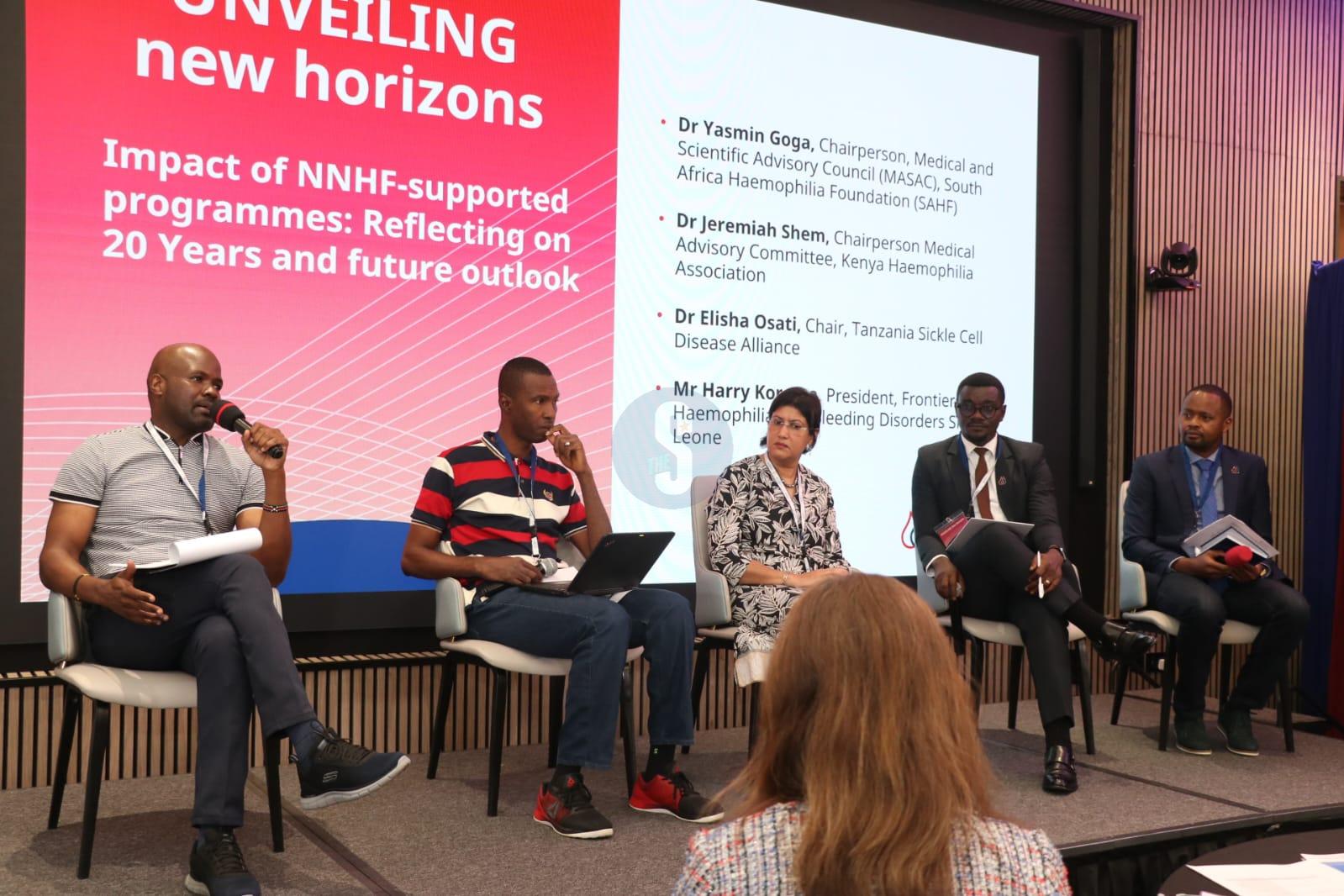
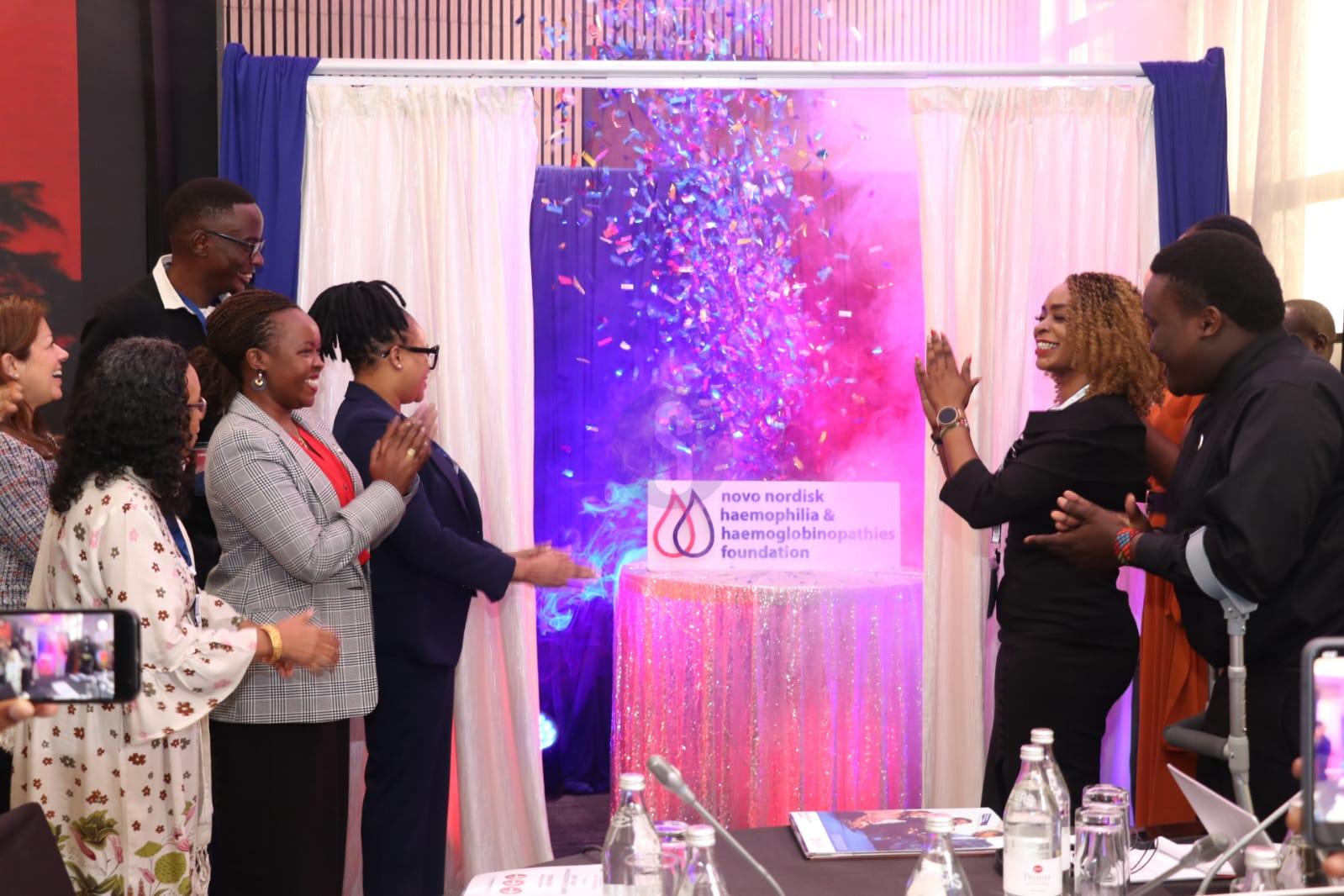 Officials during the unveiling of new horizons of the Novo Nordisk Haemophilia and Haemoglobinopathies Foundation at the Best Western Meridian hotel on December 11, 2025/LEAH MUKANGAI