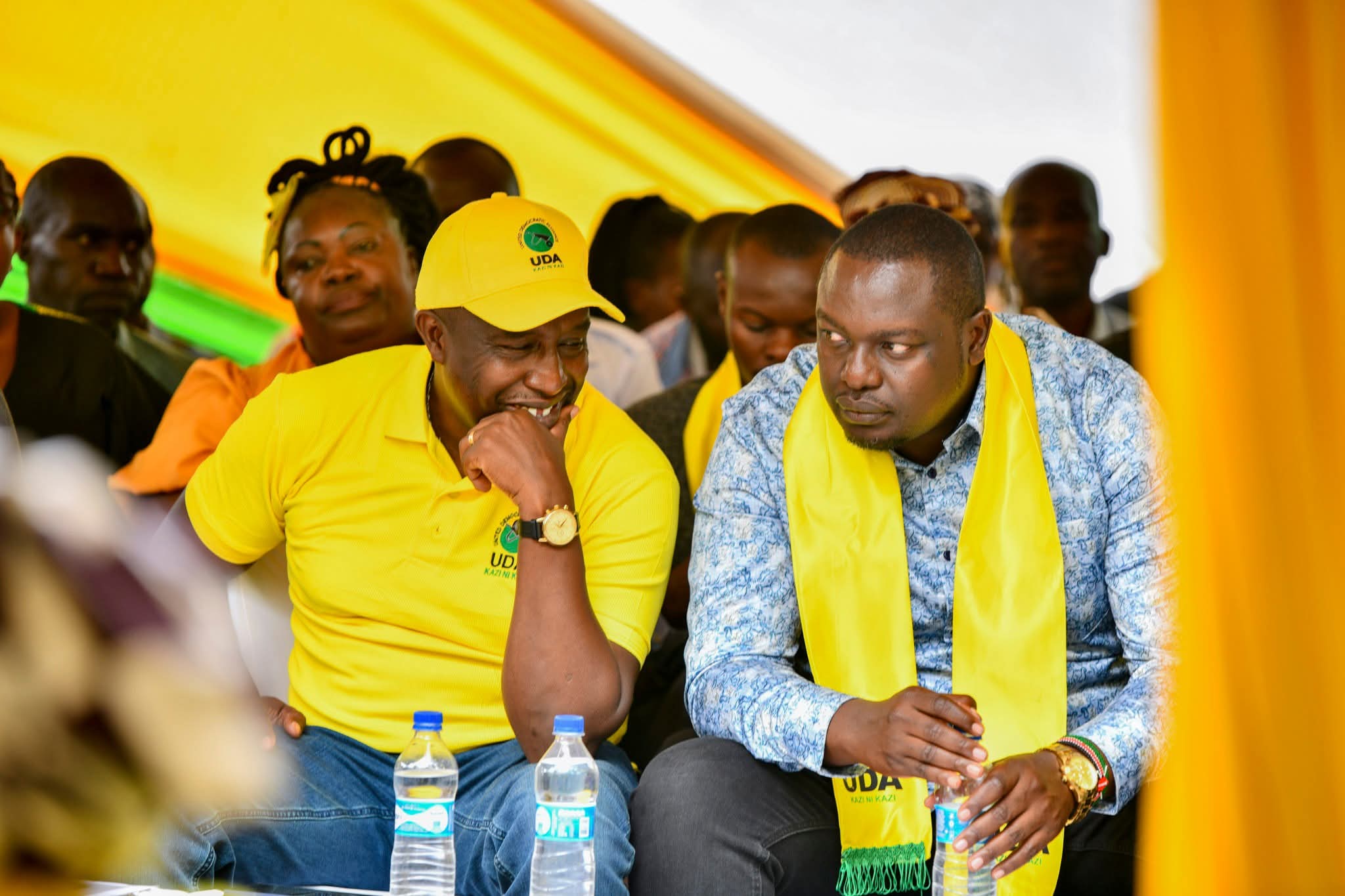
A section of UDA members has strongly opposed the participation of public officers in the forthcoming grassroots party elections, a concern that emerged during the party’s ongoing nationwide sensitisation drive.
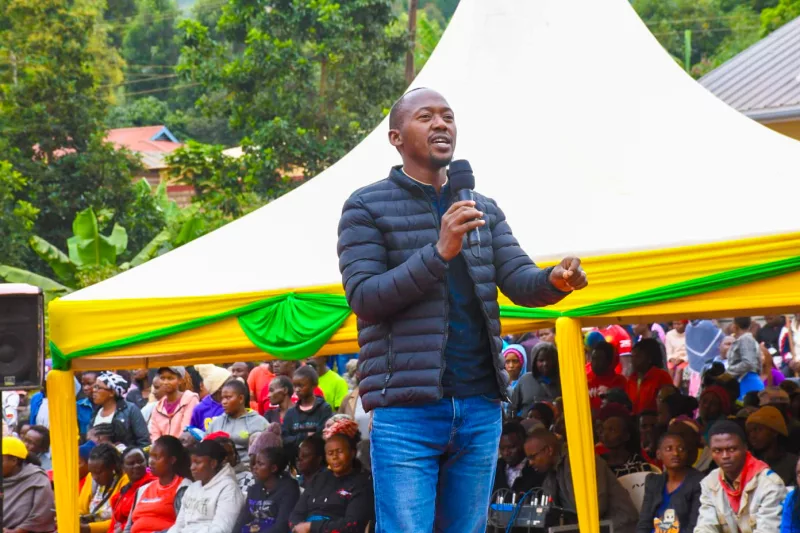
Speaking during the sensitisation drive in Bomet and Kericho counties, the members said they wanted the elections to remain a purely grassroots affair, free from interference by government employees or elected leaders.
They argued that public officers, including civil servants, should not contest for party positions as their involvement could skew the process and undermine the voices of ordinary party members.
“We want our grassroots elections to reflect the true voice of our members. Public officers have other interests, and their participation could influence the outcome. We believe ordinary party members should lead the process and decide who represents us,” Patrick Langat said during the sensitisation session in Bomet.
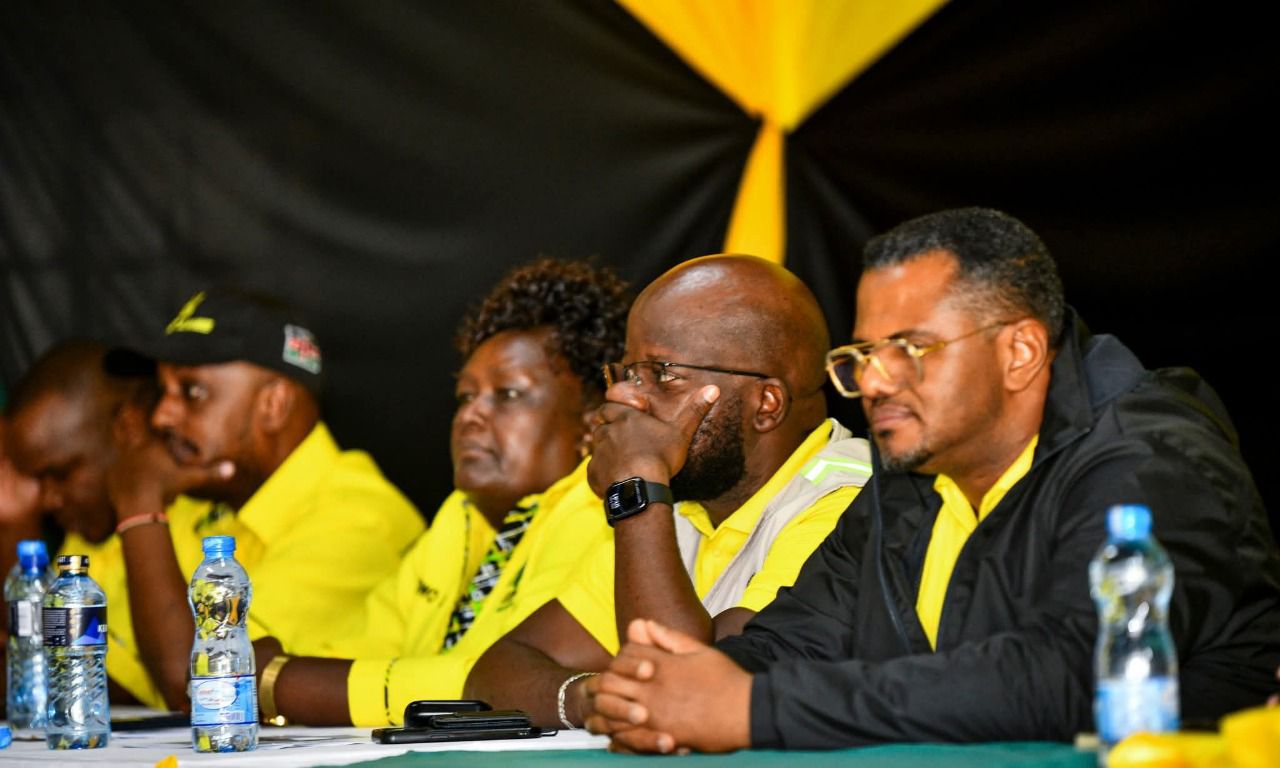
UDA Secretary-General Hassan Omar acknowledged the concerns, urging members to organise themselves and reach agreements on candidates.
He noted that while the party respects everyone’s right to contest, there may be instances where the leadership intervenes to uphold harmony and the will of the people.
“We are under obligation to follow the party rules and constitution,” Omar said, adding that community consensus remained central to the party’s internal democratic process.
“There has to be agreement. You will organise yourselves, and if you say you do not want a particular person, you decide.”
Omar hinted that the party may be compelled to step in where disputes arise, especially involving contestants whose involvement may be deemed controversial by the electorate.
He maintained that although every member had the right to vie for a position, agreement and harmony within local party units remained key.
“Everyone has the right to contest; there is no way you can deny a person an opportunity to run for a seat in the party. But there has to be an agreement if you feel those people should step down,” he said.
“You saw what happened in Mbeere North and Malava. Many people registered, and there had to be an agreement. We had to ask some to step down in favour of others. Where there were issues, we allowed nominations to continue, and where we felt there was a dispute, we had to intervene.”
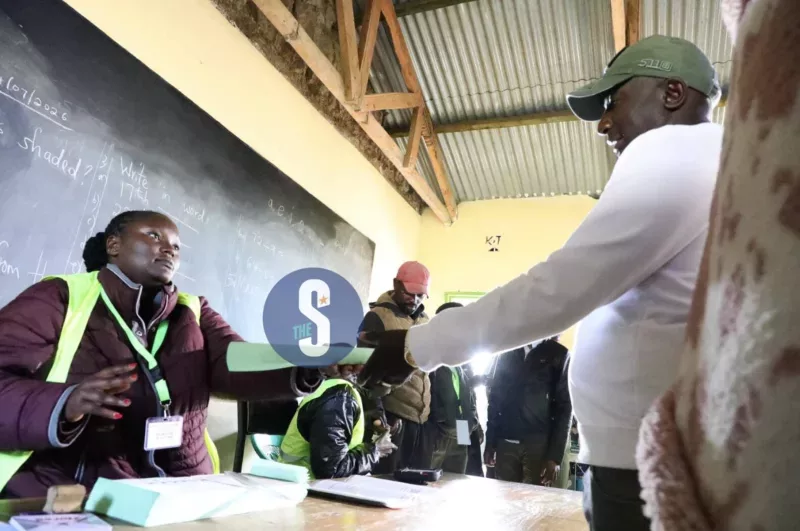
Residents in the counties visited also demanded the adoption of the one-man-one-vote principle during the grassroots polls, insisting it was the only way to ensure fairness.
Omar assured members that the upcoming elections would be free, fair, and transparent, particularly because the party would rely on an electronic voting and tallying system.
He emphasised that the digital process would eliminate manipulation and enhance accountability.
The sensitisation drive kicked off in Kericho on Monday before proceeding to Bomet. On Tuesday, the team visited Vihiga and Kakamega.
Similar exercises will be rolled out in Elgeyo Marakwet, Nandi, Kiambu, Laikipia, Murang’a, Nyeri, Baringo, Nakuru, Embu, Trans Nzoia, Meru, Samburu and Nyandarua over the next two weeks.
The programme aims to equip party supporters with knowledge about the electoral process they will encounter when they cast their votes for grassroots leaders.
It also seeks to familiarise members with the electronic voting system that UDA has adopted to ensure integrity of the polls.
Omar was accompanied by UDA Executive Director Nicodemus Bore, National Treasurer Japhet Nyakundi, and National Elections Board members led by Ferrah Etyang.