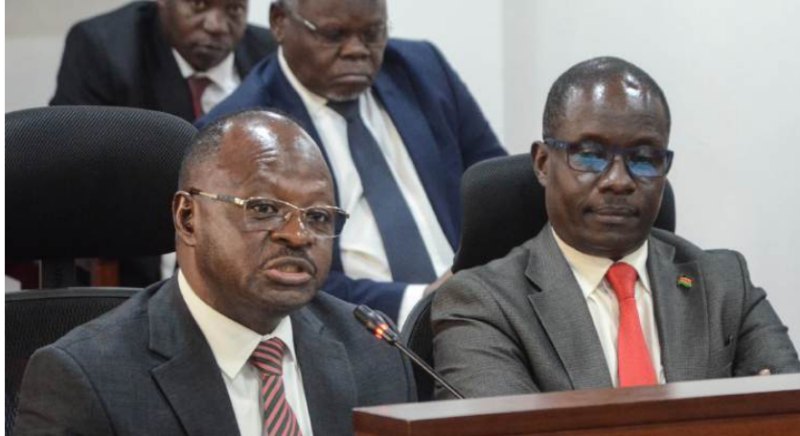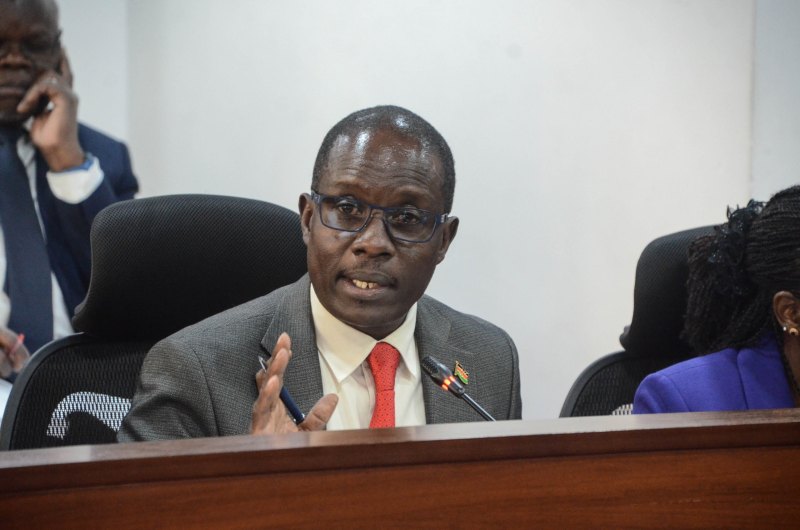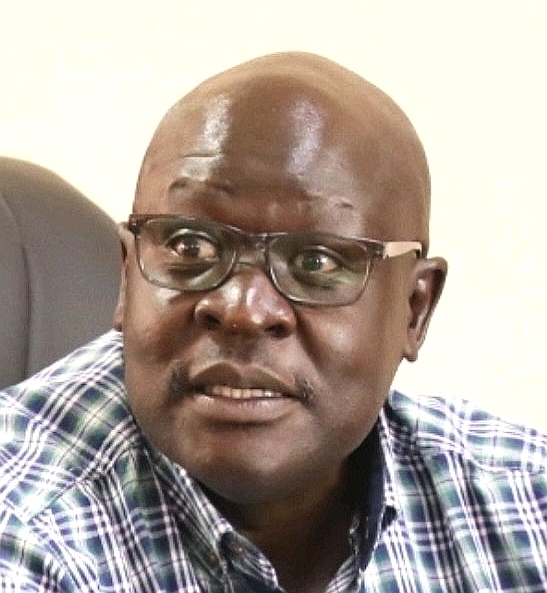

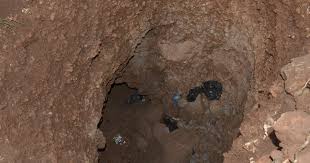
 Kakamega deputy governor Ayub Savula (Second right) at Wangoto village in Ikolomani sub-county, where a mining shaft collapsed killing three miners on Saturday evening /Saturday/IMAGE/HILTON OTENYO
The Kakamega County government has shut down an artisanal gold mining site in Ikolomani after a shaft collapse killed three miners over the weekend, adding to rising concerns over safety and escalating tensions in the region’s gold belt.
Deputy Governor Ayub Savula ordered the immediate suspension of all activities at the Wangoto village site in Savane, warning that the soil remained unstable and posed further danger.
“If you allow mining to continue in this shaft, these soils may cave in again and kill more people,” he said.
The victims — Bryton Wendo, 18, Elvis Shamora, 25, and Joseph Amuhaya, 26 — were buried alive on Saturday evening as they dug for gold.
Their deaths highlight recurring hazards at artisanal mining sites in Kakamega, where collapses, flooding and poor structural support are common.
Savula said a team of geologists and environmental experts would assess the site’s stability and advise on safer extraction methods, noting its close proximity to a river.
The tragedy unfolded just two days after violent protests in the nearby Isulu area left four people dead and 25 others injured during confrontations between residents and police.
The clashes erupted during a meeting convened by the National Environmental Management Authority (NEMA) to collect public views on a proposed large-scale mining project by British firm Shanta Gold International, valued at Sh680 billion.
The project would require about 337 acres of land and the relocation of more than 800 households — a proposal that many residents of Bushangala, Isulu and Shibuname strongly oppose, fearing displacement from ancestral land.
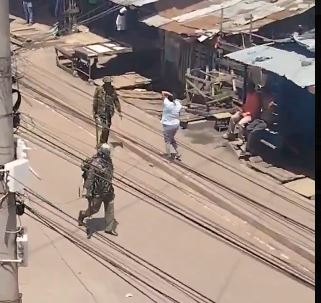
Tensions escalated when protesters stormed Imusali Primary School, where the meeting was being held, and police responded with live ammunition after residents pelted them with stones.
The confrontation turned chaotic as rioters blocked the Sigalagala-Butere road, lit bonfires and harassed motorists. Two police officers were critically injured after being attacked with metal bars and clubs.
Property destruction was extensive. Rioters tore down tents, destroyed hundreds of chairs, burned the public address system and stole metal bars.
They later broke into the neighbouring Imusali Secondary School, vandalising the administration block and setting parts of it on fire. Four journalists covering the events were assaulted, sustaining injuries and losing their cameras and mobile phones.
The shutdown of the Ikolomani mine now underscores two parallel crises — the lethal risks endured by artisanal miners and the deepening unrest surrounding plans for industrial-scale extraction.
Together, the incidents reflect the mounting tension in Kakamega’s gold-rich zones, where communities, investors and authorities remain sharply divided over the future of mining in the region.
![[PHOTOS] The new Ngong –Naivasha Road viaduct](https://cdn.radioafrica.digital/image/2026/06/64d4f771-4432-4aee-ba3c-2f304c4436ec.jpg)