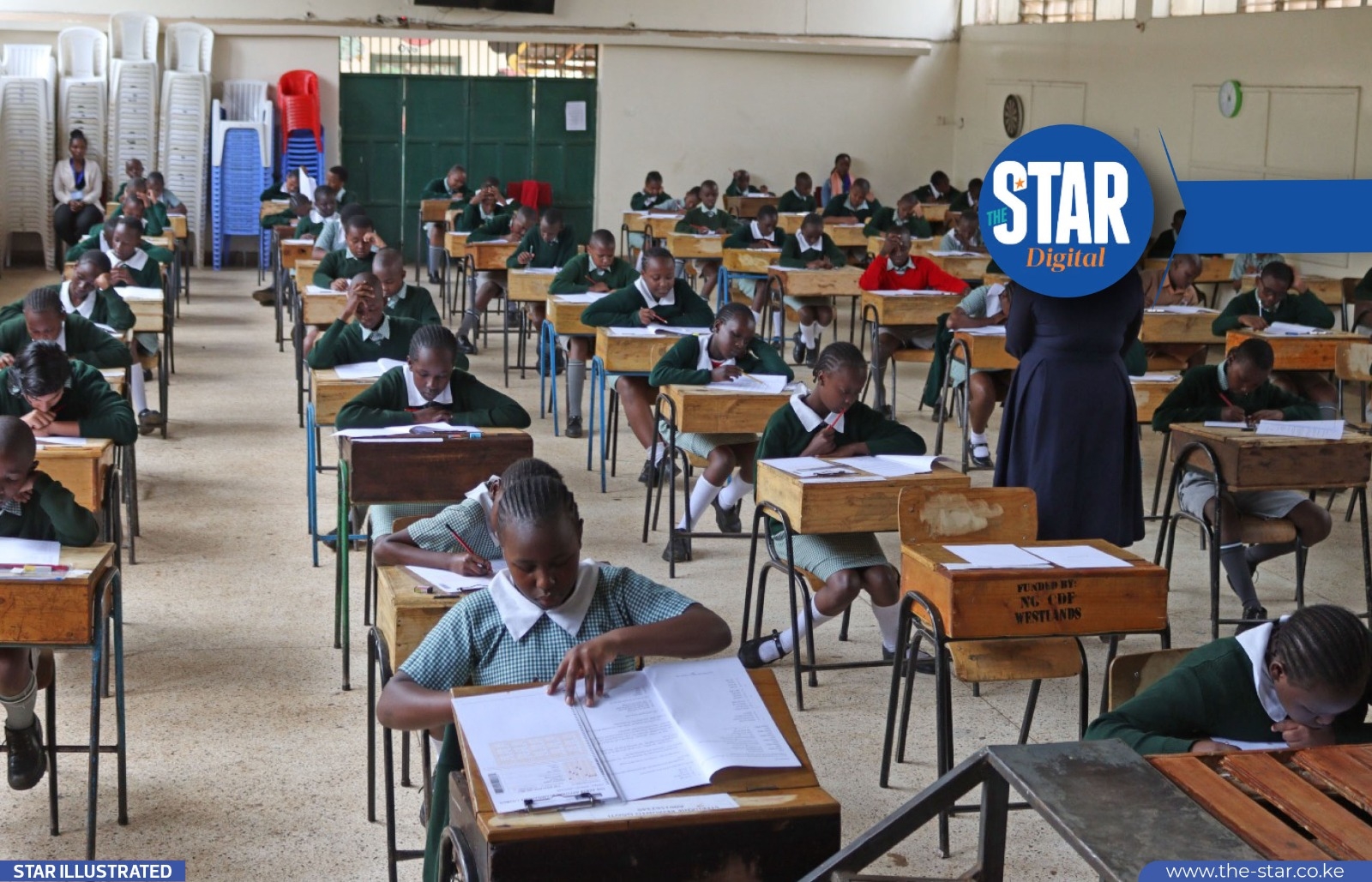


The National Gender and Equality Commission (NGEC) has released a comprehensive report exposing entrenched social, structural and economic barriers preventing girls in Kenya’s marginalised regions from accessing quality education.
According to the findings, disparities remain most severe in ASAL counties, informal settlements and remote regions, where girls face lower enrolment, retention and transition rates.
NGEC warns that these inequalities continue to undermine national efforts toward equitable education.
The report shows persistent gender gaps, with boys accounting for 52 per cent of enrolment in sampled areas compared to 48 per cent of girls.
The disparity is even greater among learners with disabilities, where girls remain significantly underrepresented.
Structural barriers also play a major role.
In ASAL counties, 76 per cent of school heads are male, compared to just 24 per cent female, in sharp contrast to Nairobi’s informal settlements, where 89 per cent of schools are headed by women.
NGEC notes that limited female leadership in ASAL areas affects how schools respond to the unique challenges affecting girls.
Distance remains a significant obstacle. In parts of West Pokot, children walk more than an hour to school each way, a factor that contributes to absenteeism, fatigue and early dropout, especially among girls.
Sanitation facilities are also inadequate. Mandera recorded the worst pupil-to-toilet ratio at 97:1 for boys, followed by Wajir at 86:1 and Turkana at 69:1, highlighting critical pressure on school infrastructure caused by funding shortages and water scarcity.
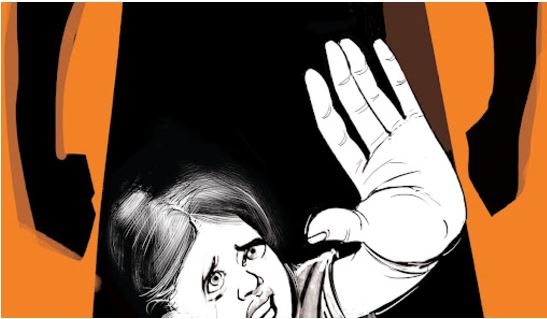
Social and cultural challenges, particularly menstruation-related absenteeism, teenage pregnancy, child marriage, GBV and FGM, continue to hinder girls’ school attendance.
While the re-entry policy is gaining traction, with 52.4 per cent of schools re-admitting girls after pregnancy, NGEC notes that only 63 per cent offer counselling support, leaving many young mothers without adequate psychosocial assistance.
“These findings confirm that girls in marginalised communities are navigating obstacles at every level from their homes to school environments,” NGEC said during the release of the report.
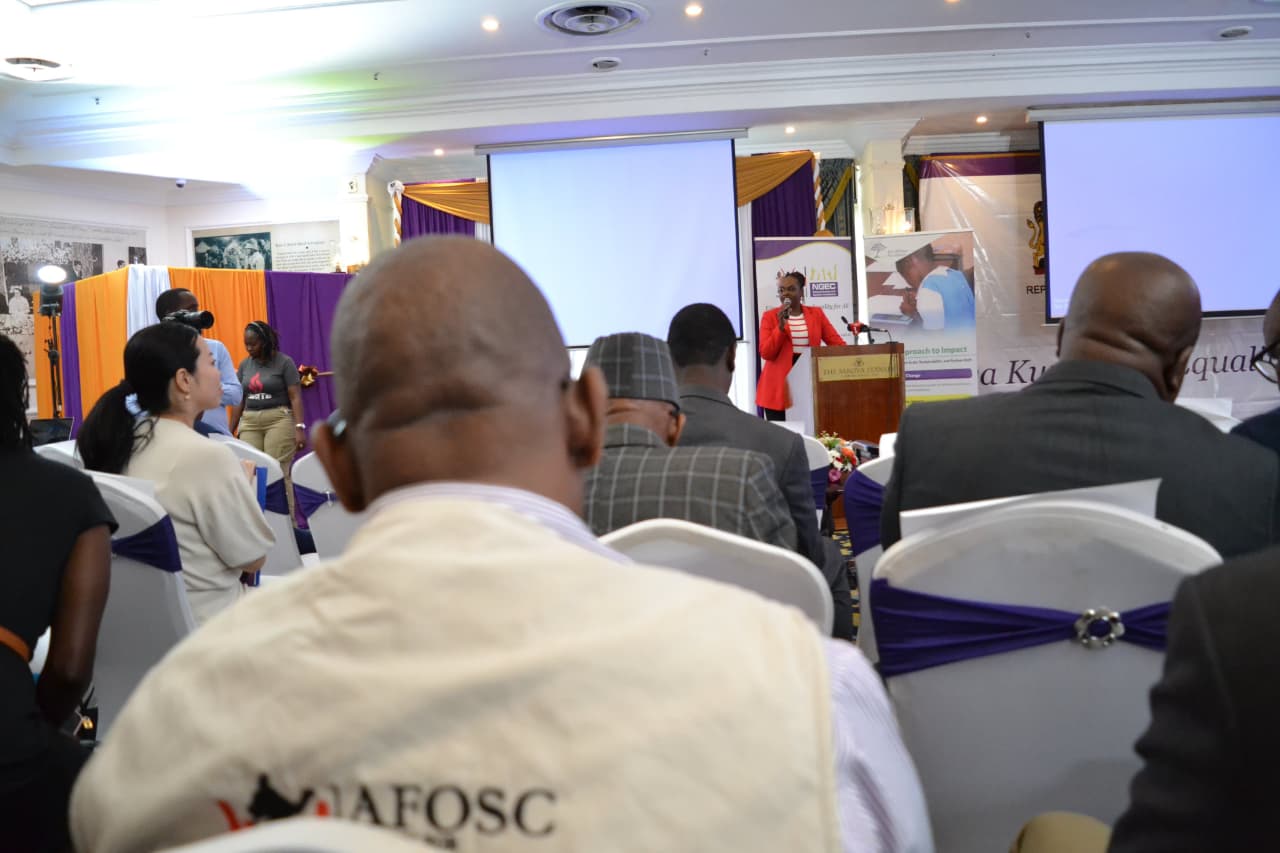
Alongside the education study, the Commission also unveiled three additional reports focusing on gender-based violence, clean energy access and a national research agenda.
A joint study by NGEC and JICA on eliminating GBV conducted in Nairobi, Machakos and Narok calls for GBV prevention to be integrated across all sectors.
It recommends investments in safe public infrastructure, including well-lit streets, secure transport and community support systems.
The clean energy uptake report shows growing public awareness, with 84 per cent of Kenyans aware of green energy solutions and 74 per cent using at least one.
However, adoption remains limited by frequent power blackouts, high installation costs, restricted rural access, social and cultural barriers, and a lengthy regulatory environment.
NGEC says the four reports provide a roadmap for addressing the country’s most entrenched inequalities.
“We now have clear evidence showing where the gaps are deepest. The priority must be translating these insights into policy action,” the Commission noted.