Kenya has thrown its weight behind the proposed East African Community (EAC) Elimination of FGM Bill, describing it as a critical tool in sealing cross-border loopholes that continue to expose thousands of girls to Female Genital Mutilation despite national laws prohibiting the practice.
The Bill, which brings together EAC member states under a unified legal framework, seeks to harmonise penalties, enforcement, and prevention measures to stop families from taking girls across borders for the cut.
The Anti-Female Genital Mutilation Board says regional collaboration is now essential if East Africa is to make any meaningful progress toward ending the practice.
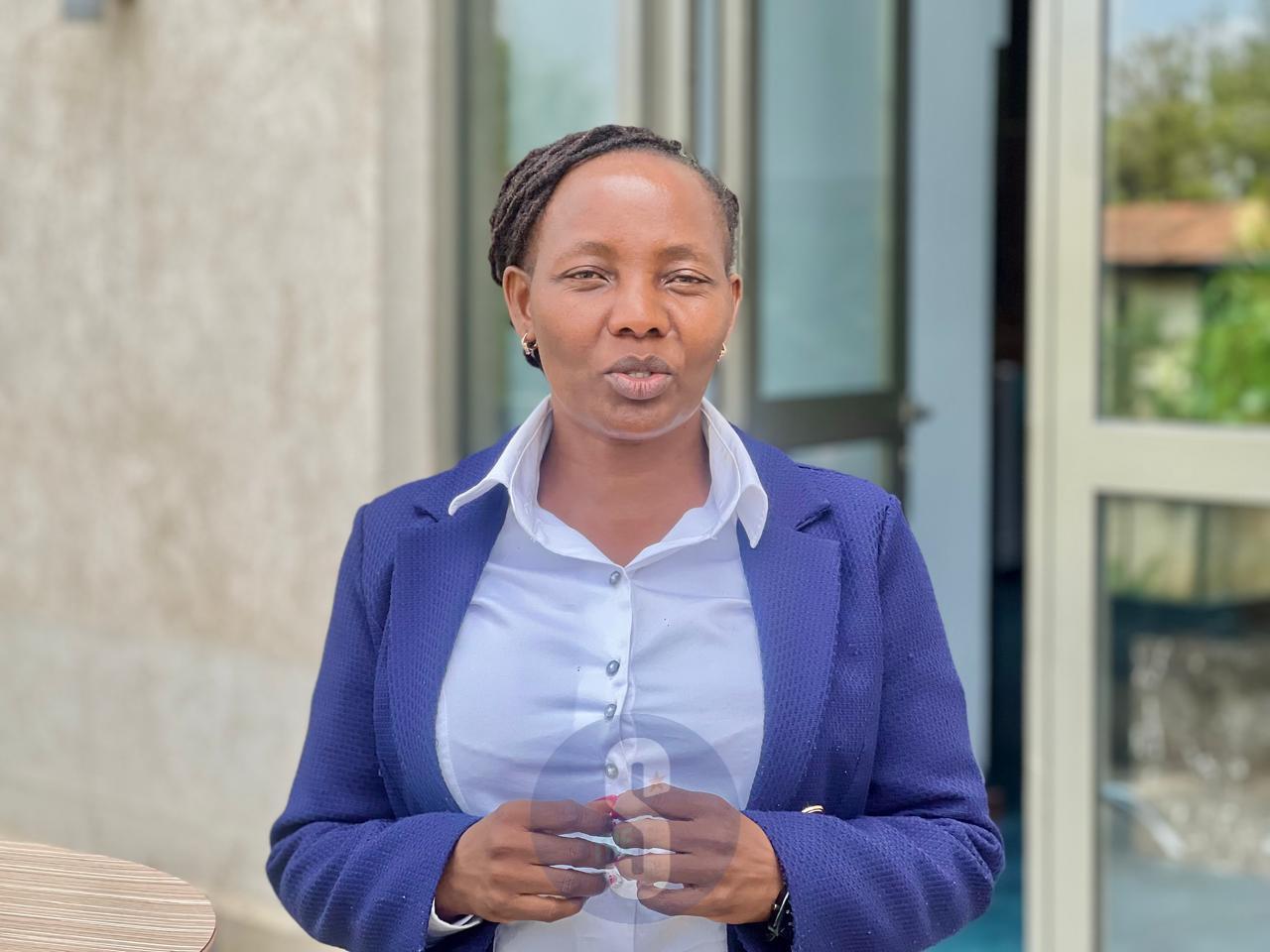
Anti-FGM Board Assistant Director, Programs, Resource Mobilisation and Partnerships, Jocelyn Katunge, said the Bill represents the strongest regional commitment.
“The East African Bill on the Elimination of Female Genital Mutilation is a regional instrument that brings together member states so that we can collectively confront and end FGM. It gives us a harmonised framework for enforcing the law across borders, especially because girls are often moved to neighbouring countries to undergo the cut,” she said.
“We have porous borders, and without coordinated action, families exploit these loopholes to continue the practice. This bill therefore strengthens regional cooperation so that if FGM is carried out in Uganda, Kenya, Tanzania or Somalia, the same law applies and perpetrators face consequences. It also boosts joint awareness, advocacy and enforcement efforts, which we urgently need.”
Despite Kenya’s own Prohibition of FGM Act, the government acknowledges that enforcement remains difficult when families transport minors to neighbouring countries with less monitoring. Katunge said the regional bill fills this long-standing gap.
Communities along border regions, including Kuria, West Pokot, Mandera and parts of Narok, remain hotspots for cross-border cutting.
While security agencies attempt surveillance, families frequently disguise procedures as routine visits to relatives in Somalia, Tanzania or Uganda. Katunge said the Bill will ensure accountability regardless of where the crime occurs.
“The regional law is built on commitments already ratified by member states, including the Maputo Protocol, which strengthens our collective responsibility to eliminate FGM. We have carried out extensive community awareness campaigns, and we see that many communities are increasingly ready to abandon the practice,” she added.
“In areas where resistance persists, we work closely with elders and local leaders to minimise risks and ensure people understand the purpose of the law. We involve leadership structures because they are key to unlocking behaviour change and keeping communities safe. With this approach, we believe we are making sustained progress despite the challenges.”
According to her, Kenya’s current FGM prevalence stands at 14.8 per cent, significantly lower than two decades ago but still the second-highest in East Africa after Somalia, where prevalence is 99.2 per cent.
Uganda stands at 0.2 per cent, South Sudan at 1 per cent and Tanzania at 8.2 per cent.
The Bill is expected to bolster Kenya’s efforts to meet its commitment to eliminate FGM by 2030. As the region moves closer to adopting the law, Kenya says it is ready to deepen cooperation with its neighbours to protect girls, whether at home or across the border.
 Maa Cultural Chief and Secretary General of Maa East Africa Daniel Kipilosh / PERPETUA ETYANG
 Kenya’s push for the Bill has gained fresh backing after Maa cultural leaders announced new community-driven reforms aimed at dismantling long-standing practices that fuel the harmful practice.
Speaking during Kenya’s public participation, Maa Cultural Chief and Secretary General of Maa East Africa Daniel Kipilosh said cultural leaders across 33 Maa-speaking sections were now taking unprecedented steps to harmonise cultural rites with anti-FGM commitments.
“The Bill is giving us a light. It's giving us support so that whatever we are saying not only becomes binding in the society but at the same time is recognised in the processes,” he said.
Kipilosh revealed that just a week earlier, traditional leaders from 17 sections had met in Suswa, where they issued a landmark declaration committing to end FGM and address harmful norms surrounding it.
He said the declaration also sought to eliminate stigma faced by uncut girls, who are often excluded from rites of passage and Manyatta ceremonies.
He explained that the new agreement would ensure that uncut girls and their children are accepted and blessed in the same way as those who underwent the cut, removing long-standing labels that marked families as “unclean” and kept them from participating fully in cultural life.
Kipilosh emphasised that the shift was not an abandonment of culture, but a recalibration that protects cultural identity while safeguarding girls.
He added that the EAC bill offers crucial legitimacy to these changes, but called for stronger prevention measures in the law, noting that most provisions currently center on punishment after FGM occurs.
“What communities need is clarity on how to stop the practice before it happens, not only what happens after. Aligning regional policies with grassroots prevention would make the 2030 goal of ending FGM and making it practical and achievable,” he added.
With cultural leaders stepping to the forefront, Kenya hopes the regional bill will strengthen cross-border coordination and give community-driven reforms the legal backing needed to protect girls across East Africa. Regional human-rights organisations say emerging trends in how FGM is carried out have strengthened the case for a unified East African law.
 Equality Now End Harmful Practices program lead Caroline Lagat
Equality Now warns that shifting patterns, including medicalised procedures and organised cross-border movement, are outpacing the capacity of individual countries to respond.
Equality Now End Harmful Practices program lead Caroline Lagat said the region’s uneven prevalence rates have created pressure points that traffickers and families exploit.
“Across Eastern Africa, we have varying prevalence rates, with Somalia at 99 per cent, while others have 2 or 3 per cent. One of the most pressing and emerging issues is cross-border FGM, where people travel from countries with strict laws to others with weak implementation. Even where laws exist, families move girls across borders to avoid detection, and this is exactly what the EAC Bill aims to address,” she said.
She added that the rise in medicalised FGM is complicating enforcement, adding that harmonising penalties and survivor services is central to the proposed law.
“We now have FGM being carried out by medical practitioners and even inside health institutions. Kenya is among the top five countries where medicalisation is taking root because communities believe they are reducing harm by using medical equipment or anaesthesia. This shift shows why the law must evolve to match how the practice is changing.”
“The bill seeks to align offences, penalties and government-led services so that countries are not operating at different standards. We want governments, not just civil society, to take the lead in ensuring survivors get the care they need.”
Public participation hearings on the Bill are now underway in all eight EAC member states.