

Imagine a case stalling for years because a survivor cannot afford the emotional and financial weight of chasing a perpetrator through the courts.
A crucial piece of evidence gathering dust. Hearings repeatedly adjourned. And a survivor losing hope not because the law failed but because accessing it felt impossible.
This has been the quiet reality for many victims of sexual assault in Kisumu, where justice often slipped out of reach long before a case was ever heard.
But a growing group of Kisumu lawyers is rewriting that reality by offering pro-bono legal services. Their support has begun to breathe momentum into cases that once languished for months.
With someone to guide them in recording statements, ensuring medical reports are filed correctly and preparing them emotionally for court, survivors are no longer forced to struggle through the legal maze in silence.
In a county where sexual violence remains deeply entrenched, this wave of voluntary legal service is more than charity, it is a lifeline restoring dignity, courage and the belief that justice can, and does, belong to everyone.
Pro bono aid is a professional legal service provided voluntarily and without payment, usually to individuals or communities who cannot afford a lawyer.
It seeks to bridge the gap in access to justice for survivors. Many victims face challenges navigating the court system, often unaware that prosecutors are meant to represent their interests.
Overloaded prosecutors, handling multiple cases
simultaneously, are sometimes unable to provide the focused attention sexual
and gender-based violence cases demand, leaving survivors feeling unsupported
and vulnerable to interference at various stages of the legal process.
SHORTCUT TO HELL
Sexual assault does not discriminate. It can happen to anyone regardless of age, marital status or responsibilities. Even those who seem most protected, including married women, mothers and caregivers, can become victims, their lives forever altered in an instant.
Maggie* (not her real name), a 25-year-old mother of two and guardian to two children from her husband’s previous marriage, experienced this harsh reality in 2024.
On what should have been an ordinary Thursday, she set out to withdraw money for the children she cared for, unaware that her journey would turn into a terrifying ordeal.
Maggie had chosen a shortcut to reach the market, hoping it would save her time, even though she was uneasy about walking alone.
As she made her way, she noticed a man ahead. He slowed as she drew closer, then stopped, turned around and began walking toward her.
Maggie instinctively told him she only carried her identification card, the Inua Jamii card and Sh50. He demanded her phone, which she did not have, and rifled through her bag, taking the small amount of money she had. Then, with chilling calm, he frisked her and finally confronted her with an impossible choice: rape or death.
Terrified, Maggie tried to reason with him, pleading that if he killed her, her children would be left alone. The man dismissed her, pressing her to decide quickly.
“I thought I was just going to withdraw some money for the children, something simple and ordinary,” she said.
“I never imagined that on that walk, a man would decide that my life could be his game. He told me to choose between death and rape, and all I could think about was my children. I told him to take me, to hurt but not to kill me, who would care for my children?”
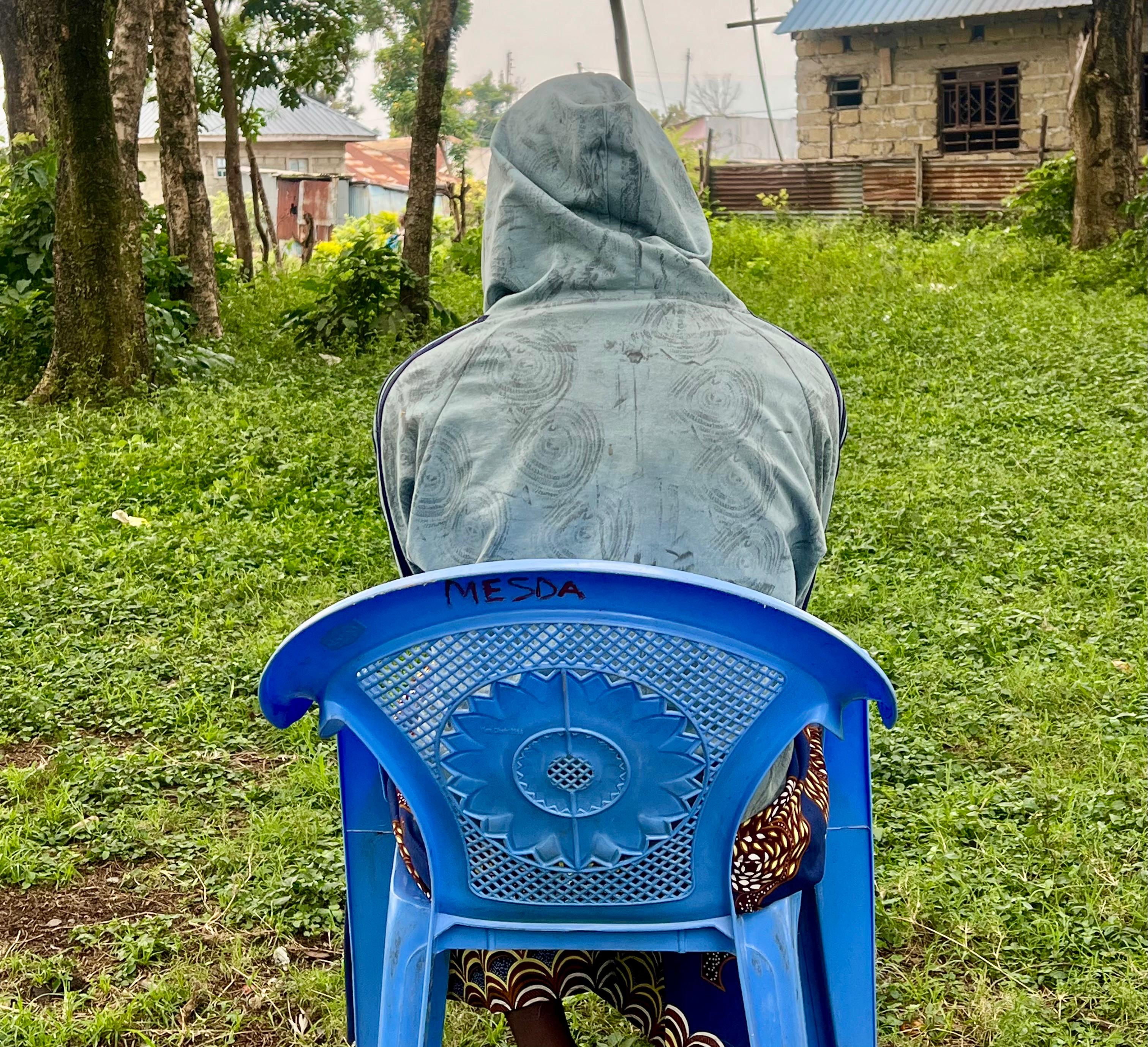
After the attack, Maggie ran to the police station, crying and she explained what had happened.
“When I finally told the officers everything, they gave me forms and sent me to the hospital,” she said.
“I was scared but I knew I had to do it for the children. I wanted this man to face the consequences of his actions.”
The man was arrested, but Maggie faced a new battle: the slow-moving justice system.
With no financial means to hire a lawyer and barely the emotional strength to relive her trauma in court, she felt helpless as the case dragged on.
It was at this critical moment that pro bono
lawyers stepped in, offering guidance and representation she could not afford.
“Having a lawyer by my side changed everything. I
finally felt that someone was fighting for me, that my story mattered, and that
justice might actually be possible.”
“He walks freely on bail, and his family even came
to my home, asking me to drop the charges. Every time I think about it, I worry
for my safety and the children’s safety.”
PREDATORY TEACHER
The memory of that evening in 2023 still hangs over Elsie like a shadow. At just 15, she was on a simple errand, buying vegetables for her family, when her path tragically crossed with her social studies teacher near the school compound.
A casual greeting under a tree became a calculated
trap; a request to retrieve past papers in an empty office turned into a
horrific violation.
“He called me to greet him and then told me to go
to the office to get some past papers for my revision,” Elsie said.
“I went, and he followed me, closing the door behind me. He told me not to scream or make any noise, and I was so scared I couldn’t even speak.
“I didn’t know what to do. I just stood there as he came closer. Then he defiled me. I thought about running, but he had already trapped me in the office and I had nowhere to go.”
At around 7pm, she met her uncle on the road, whom she shared the details with. He took her to the hospital and the doctor confirmed the assault.
The next day, a report was filed at the police station. However, the wheels of justice immediately met resistance: the teacher had already fled.
The case eventually reached court, but by then, the teacher had escaped, leaving Elsie vulnerable and terrified.
She went to stay with her aunt in Lugali, hoping for safety, only for the teacher to call every evening through her aunt, threatening to kill her if she spoke the truth.
Elsie claimed that her aunt, instead of protecting her, remained silent, siding with the teacher.
“He kept calling every evening, telling me he would kill me if I said anything,” she recalls.
When she finally appeared in court, she told the judges what had happened and recounted the threats she had received.
But justice was not on her side. Under pressure, she gave the false statement the teacher demanded, claiming another man, named Brian, had assaulted her.
The case was closed, the teacher walked free and Esie is left with the heavy weight of injustice.
“I feel bad. I wanted him imprisoned for the 31 years the court had decided, but that will never happen. My father said we will not go back to court.”
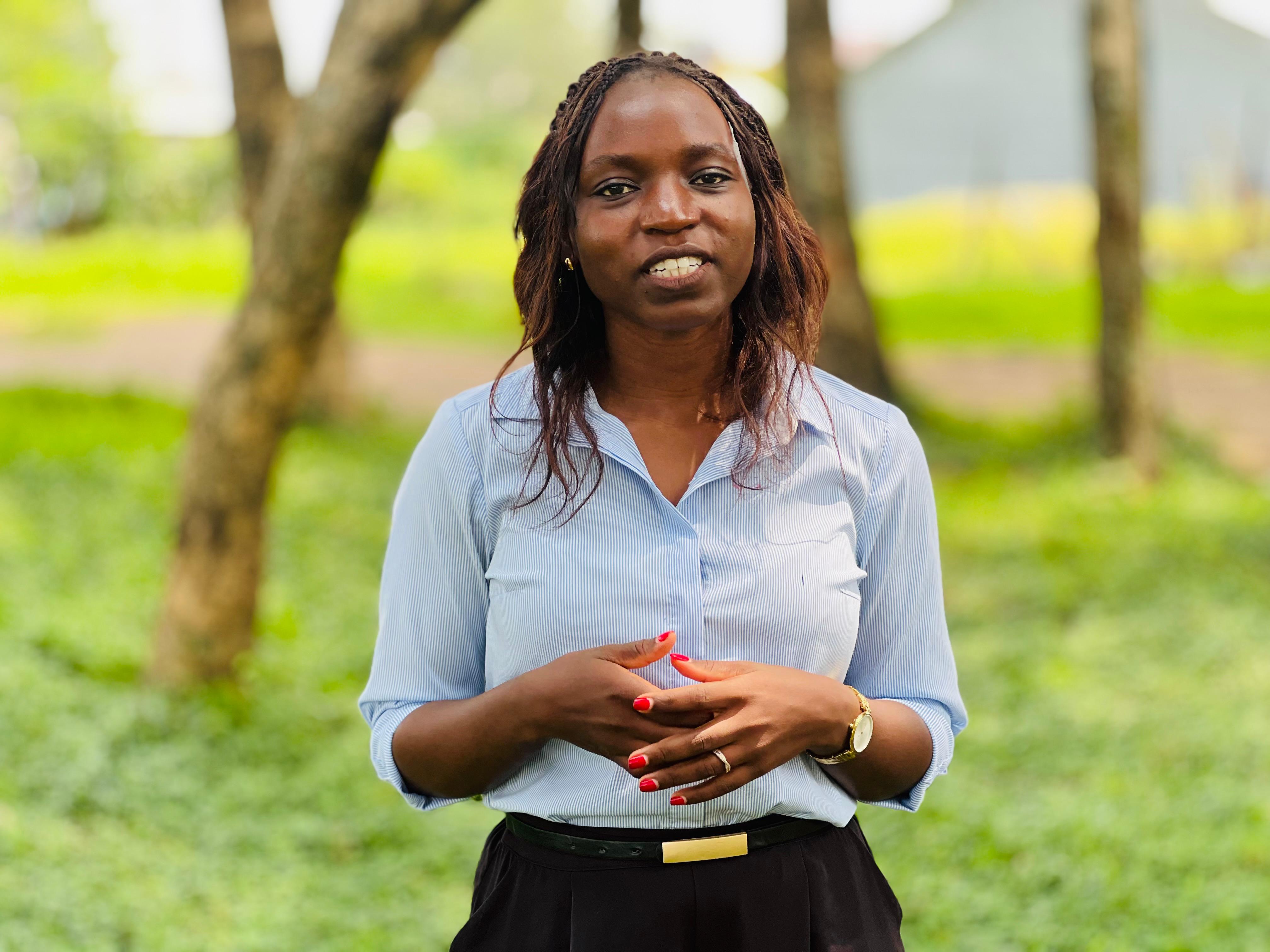 KMET policy lead and pro bono lawyer Sharon Amendi / PERPETUA ETYANG
 SUPPORTING JUSTICE
SGBV survivors in Kisumu county are gaining access to justice through a pro-bono legal initiative led by the Law Society of Kenya Kisumu branch, in partnership with Kisumu Medical and Education Trust and Equality Now.
The programme, part of KMET’s six-year gender justice project, addresses gaps in the legal system, where overworked prosecutors often cannot give SGBV cases the focused attention they require.
KMET policy lead Sharon Amendi, who is also a pro bono lawyer in the county, says many survivors are unaware that prosecutors represent their interests, leaving them vulnerable to delays, interference or intimidation.
She said selected pro bono lawyers receive training on the unique dynamics of SGBV-related cases.
They work alongside prosecutors in a “watching brief” capacity, representing survivors’ interests, monitoring cases and guiding victims through court procedures.
Amendi said local community-based organisations identify cases where legal support is most needed, particularly those experiencing interference or delays.
“To have someone dedicated to your case, who takes time to explain the court procedures, follow up on delays and ensure your rights are protected, makes a huge difference,” she said.
“Pro bono lawyers provide survivors with confidence and a sense of security that they can pursue their cases without fear.”
The initiative has increased survivors’ reporting of cases, improved their understanding of the judicial process and acted as a deterrent against interference.
By building the capacity of local lawyers, the programme provides sustainable, survivor-centred legal support, helping victims navigate the legal system and seek justice.
In Muhoroni, a CBO called Violence Against Women and Girls, in partnership with KMET, handles defilement, rape and incest cases, guiding survivors from immediate medical care to police reporting and court proceedings.
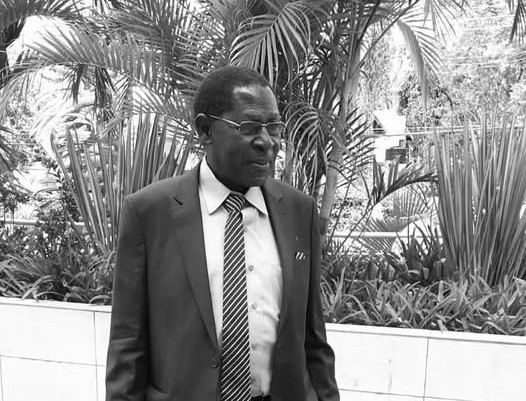
Its founder Johannes Obong’o said that from 2023 to date, they have supported around 25 survivors, with seven cases resulting in convictions, including life sentences.
The programme has been crucial in complex cases where interference or intimidation occurs, strengthening community awareness and ensuring survivors access justice.
Despite challenges, the partnership continues to protect survivors and hold perpetrators accountable.
Equality Now is supporting SGBV survivors in Kisumu by empowering pro bono lawyers to provide specialised legal representation.
The initiative, implemented in partnership with KMET and local community-based organisations, addresses gaps where overloaded prosecutors may not fully support survivors.
Equality Now’s Nina Masore, the programmes officer for End Sexual Violence, said the organisation trains lawyers to understand the trauma, legal complexities and unique dynamics of SGBV cases.
“We equip pro bono lawyers to work closely with prosecutors, monitor cases for interference and ensure survivors understand each stage of the process,” she said.
“The lawyers help bridge the gap, ensuring cases
proceed fairly and survivors understand each stage of the process.
“The programme bridges the gap between national
human rights advocacy and local implementation.”
By strengthening lawyers’ skills and coordination with CBOs, Equality Now ensures survivors receive patient, informed and consistent representation.
She added that lessons from the Kisumu pilot are now being used to inform national strategies for expanding pro-bono SGBV support.
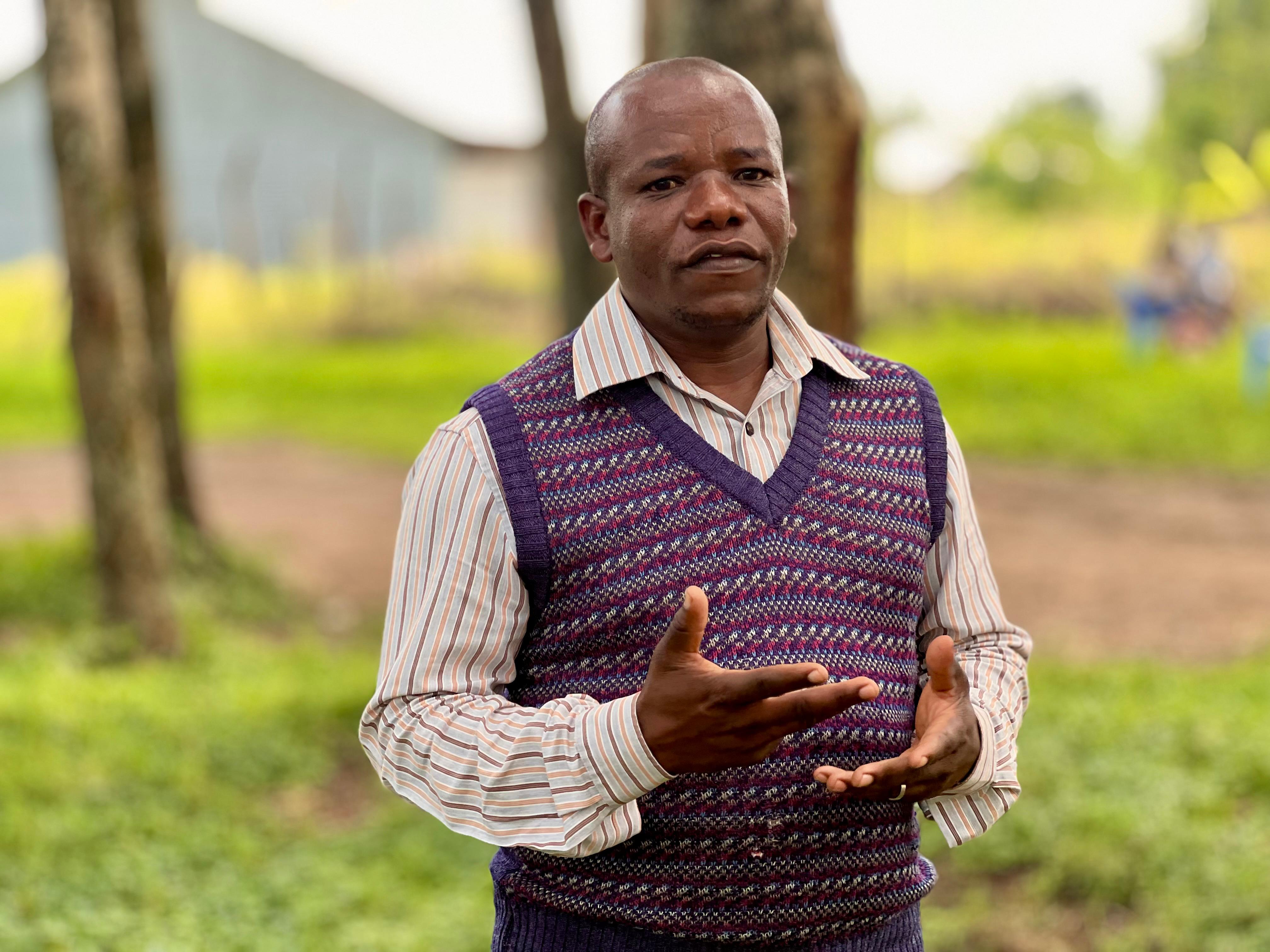 Violence Against Women and Girls CBO founder Johannes Obong’o / /PERPETUA ETYANG