The Ethics and Anti-Corruption Commission on Tuesday warned that corruption
is disproportionately harming young Kenyans.
This is backed by new data showing that bribery and mismanagement of public
funds continue to erode opportunities in education, employment and financial
support systems.
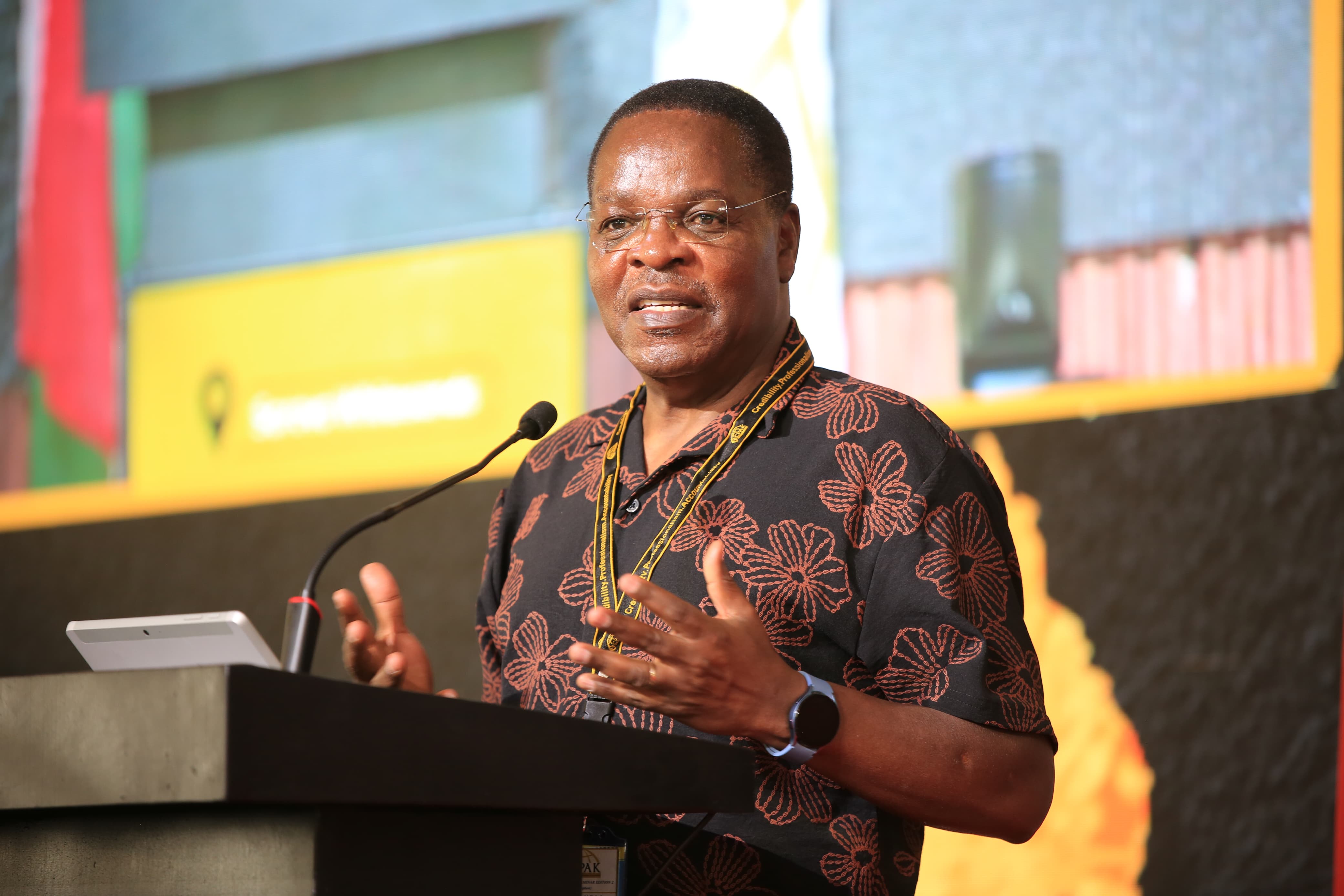
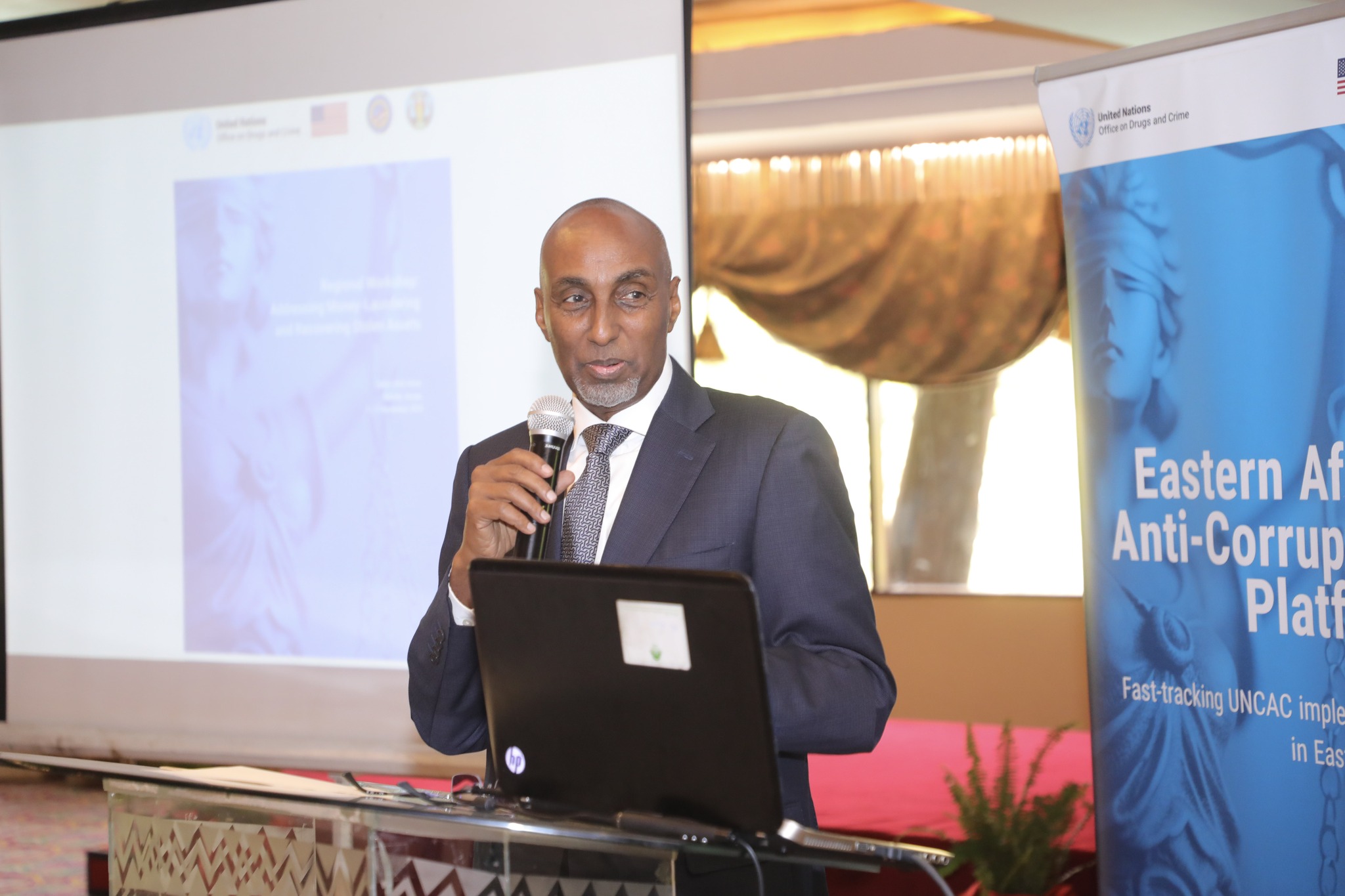
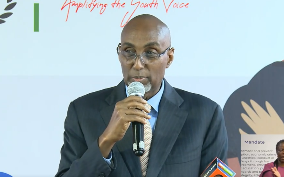
EACC CEO Abdi Mohamud said the National Ethics and Corruption Survey 2024
found that corruption is a “direct, daily assault on the dreams of every young
Kenyan.”
“The survey highlights corruption’s disproportionate effects on young people
through high bribery rates in education, employment and financial aid services,
areas critical for youth development,” Mohamud said.
He was speaking during the commemoration of International Anti-Corruption
Day, under the theme: Uniting with Youth against Corruption: Shaping Tomorrow's
Integrity, at the Kenyatta International Convention Centre in Nairobi.
He added that nearly six in 10 young Kenyans indicated they would accept a
bribe if no one was watching, a statistic he attributed to systemic pressures
rather than moral failure.
“It is not because they lack morals. It is because they have watched a
system teach them that integrity does not pay school fees, does not put food on
the table and does not stop a police officer from demanding a bribe,” he said.
Mohamud said billions lost to corruption in public institutions translate
into lost opportunities for young people.
“When billions meant for hospitals, roads, bursaries and university funding vanish into private pockets, it is not just money that is stolen, it is the job you were supposed to get, the classroom that was never built, the loan that never reached your HELB account and the hope that dies a little more each day," he said.
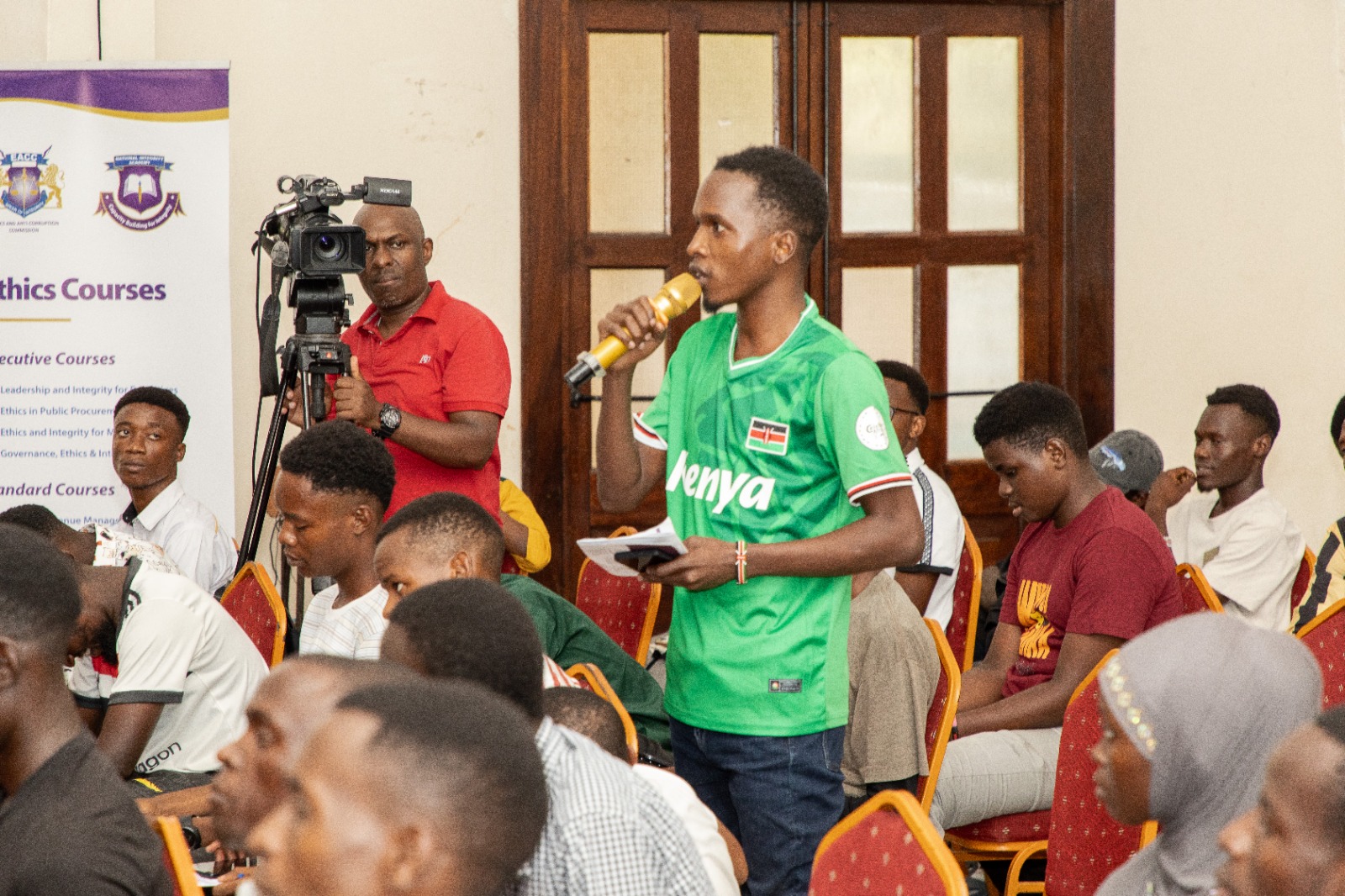
He urged young Kenyans to take a leading role in pushing for accountability,
noting that the Commission has expanded programmes targeting youth empowerment.
This includes a memorandum of understanding signed in June with the
National Youth Council to support joint activities, campus integrity
initiatives and media engagements.
“My message to every young person listening today is this: you are not the
problem; you are the solution,” Mohamud said.
“The price is high for all of us to be defeated, and the future is too bright to be dimmed by cynicism, half-hearted actions or inaction in the fight against corruption.”
At the same event, EACC Chairperson David Oginde said the youth must be
central to the national anti-corruption agenda, adding that Kenya’s future
depends on their leadership and commitment to integrity.
“The future is not something we wait for. It is something we build,” Oginde
said.
“The fight against corruption cannot succeed without youth leadership, youth
perspectives and youth voices.”
He noted that young people make up more than a third of Kenya’s population,
calling them “the creators and innovators” shaping national culture and public
discourse.
“When the youth rise to defend integrity, a country rises with them,” he
said.
“Where integrity flourishes, public confidence grows, resources are
protected, and opportunities multiply. Integrity is not just a virtue, it is a
development strategy that pays dividends to individuals, communities and the
nation.”
Oginde said the Commission had intensified outreach efforts through
integrity dialogues and engagements at institutions such as Murang’a
University, Egerton University and the Technical University of Mombasa, along
with strengthening Adili Clubs in primary and secondary schools.
“These engagements affirm one simple truth: the fight against corruption
cannot succeed without youth leadership, youth perspectives and youth voices,”
he said.
“And more broadly, this fight cannot be won by any single institution. It
demands the involvement and commitment of every sector, every institution and
indeed every citizen.”
Both leaders highlighted recent gains in the Commission’s enforcement work.
Mohamud said EACC filed 79 new civil suits in the 2024–2025 financial year
seeking recovery of corruptly acquired property worth Sh4.8 billion, the
highest number in the last five years.
The Commission recovered Sh3.4 billion during the same period, up from Sh2.9
billion the previous year.
He added that intelligence-led operations prevented the loss of public
assets valued at Sh16.5 billion, while court cases concluded rose from 45 to 54, and convictions increased from 12 to 33 compared to the previous year.
The Commission is implementing its 2023–2028 Strategic Plan, which focuses
on monitoring capital-intensive public projects, tackling bribery at service
delivery points, strengthening collaboration with regulatory bodies and enhancing
public education.
As the country marked the global anti-corruption day, both officials called
for collective action from institutions, communities and citizens.
“The road ahead may be demanding. But courage, unity and steadfast integrity
will lead us to victory,” Oginde said.
Mohamud added, “Shaping a better tomorrow for our Nation calls for a whole-society approach, thus we continue to partner with key stakeholders in the public and private sector; the media; the civil society; the youth and the wider public to stamp out corruption”.