


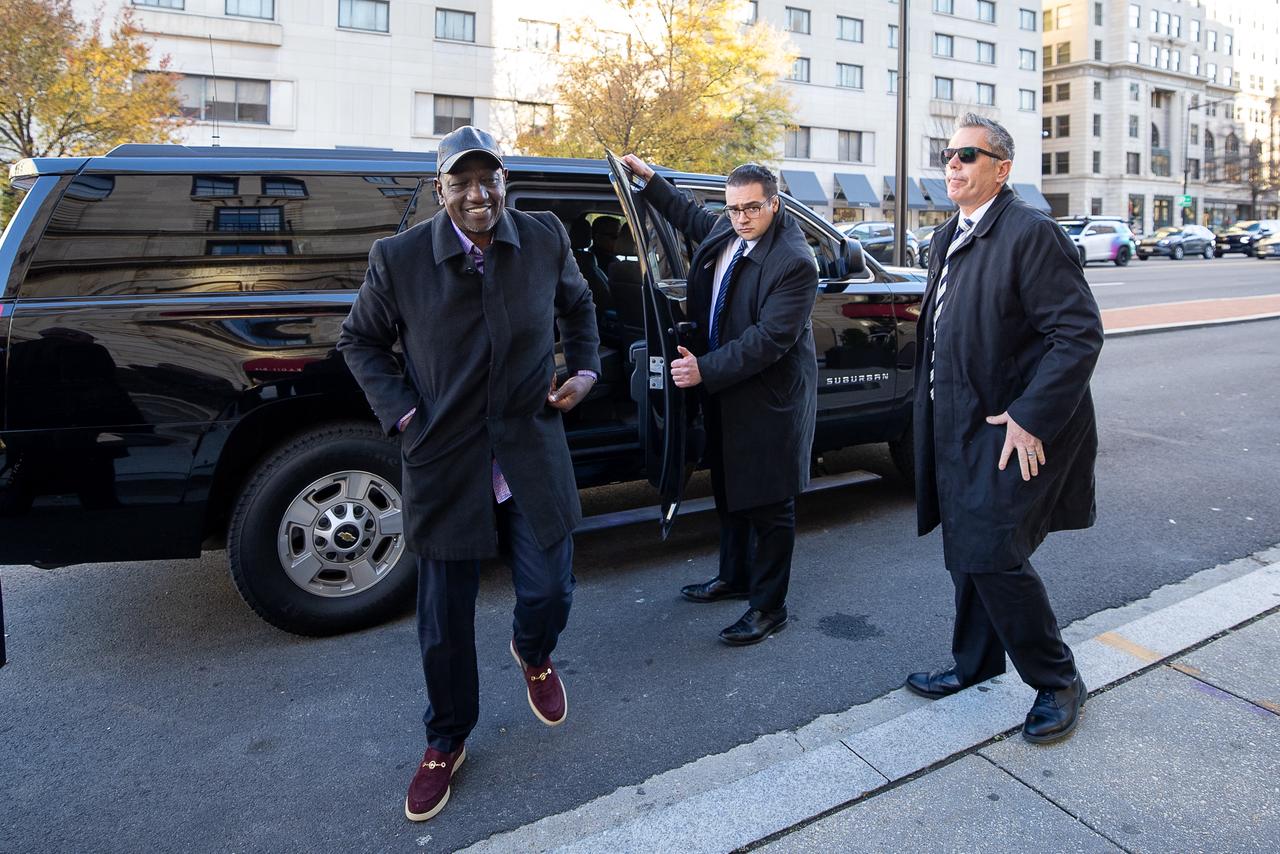
President William Ruto’s week unfolded across two counties beginning with grassroots engagements in Garissa and Nairobi, and culminating in a high-profile visit to Washington, DC, where he witnessed the signing of the historic Washington Peace Accord.
He also sealed Kenya’s Sh208 billion health cooperation deal with the United States.
His two-day visit came on the invitation of President Donald Trump in his capacity as Chair of the EAC Heads of State Summit.
But before boarding the plane to Washington, Ruto packed in a string of domestic engagements.
Here's the full roundup.
November 29, Saturday
The President opened Yusuf Haji Girls Secondary School in Masalani, Garissa County, handed the institution a new bus, and laid the foundation stone for Phase II of its expansion.
He later launched the 376-unit Masalani Affordable Housing Project in Ijara Constituency.
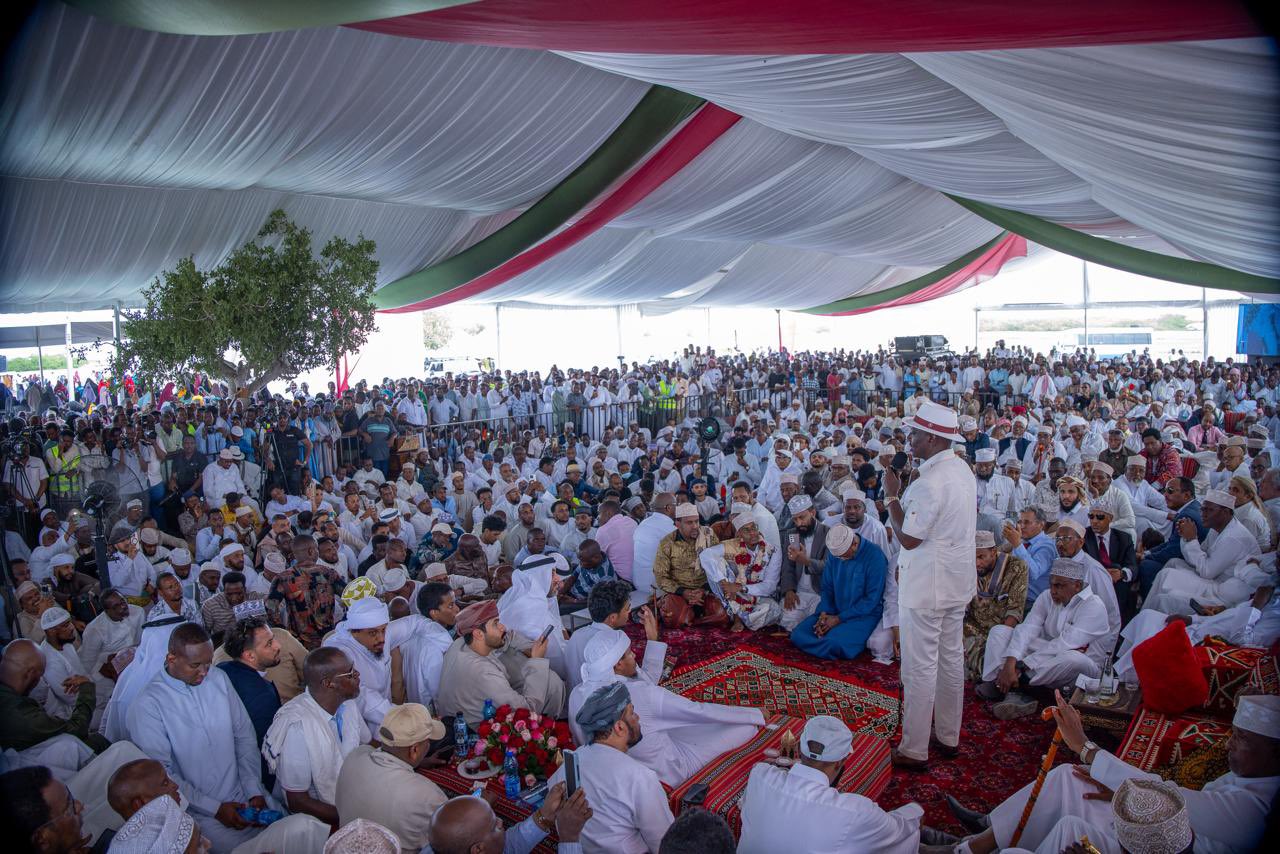
Ruto also attended the wedding ceremony of Mohammed Noordin Mohamed Y. Haji, the son of NIS Director-General Noordin Haji and Jamila Mohammed Abdulgader Al Sawae, in Masalani.
The day ended in Nairobi at the Ulinzi Sports Complex, where he joined Prime Cabinet Secretary Musalia Mudavadi for the wedding of his son Moses Budamba to Qillian Ndeso Saiya.
November 30, Sunday
Ruto attended a Sunday service at AIC Milimani, Nairobi.
December 1, Monday
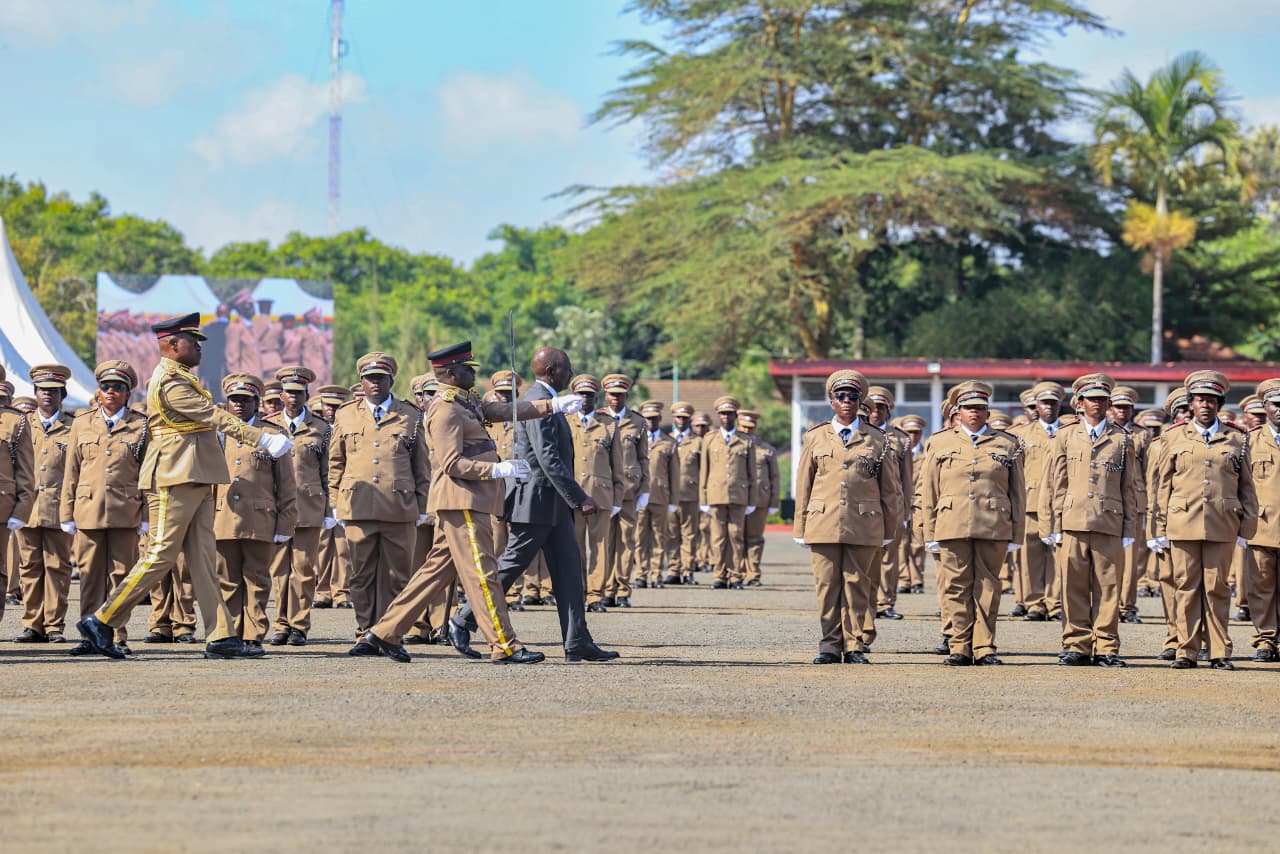
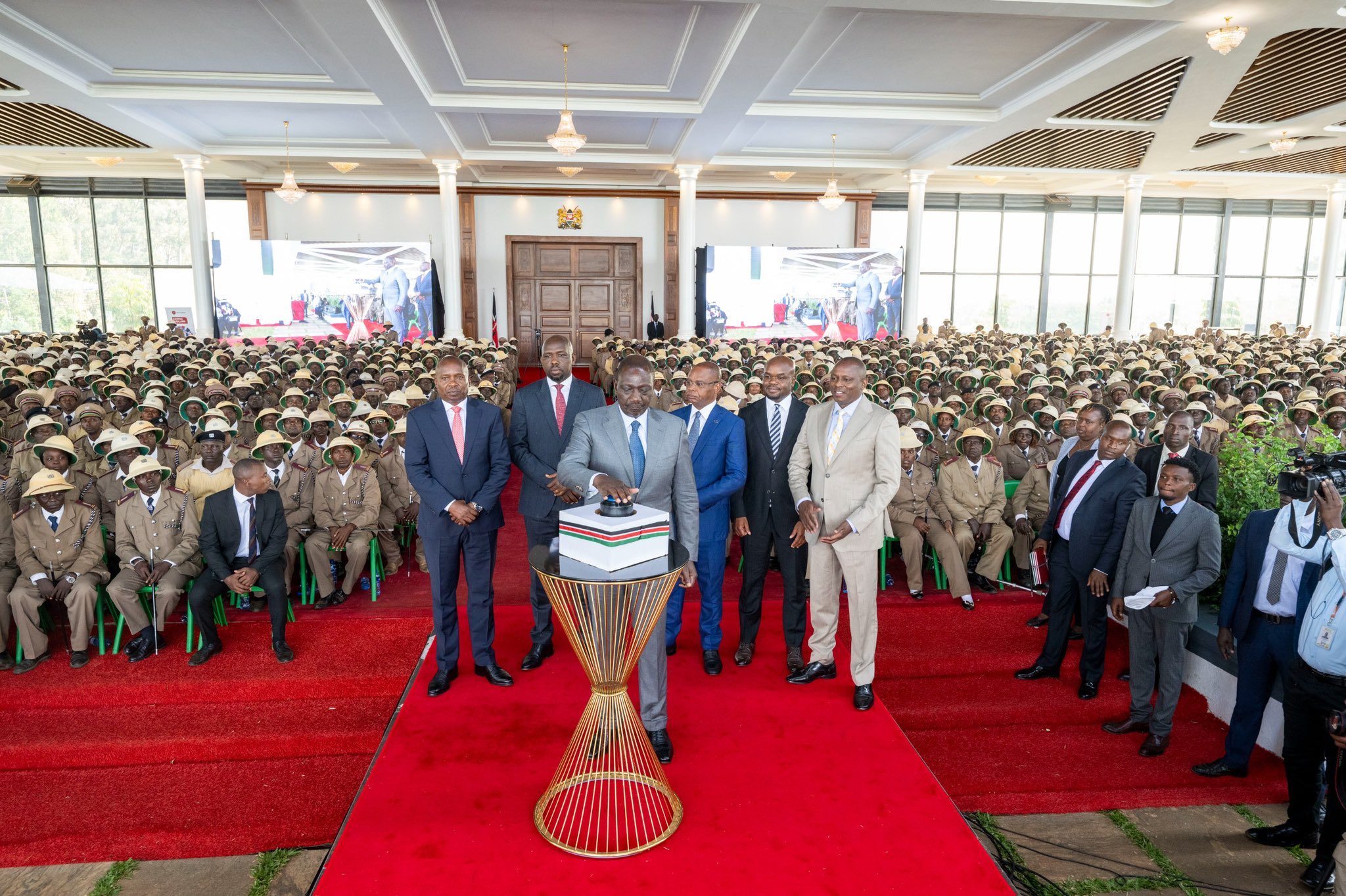
The President commissioned new housing units at the National Police College Embakasi ‘A’ Campus.
“Police officers go out of their way to protect Kenyans and their property. We will ensure they live and work in a decent environment to keep our country safe and secure,” he said.
He then presided over the first graduation of chiefs and assistant chiefs at the college.
“We honour these officers for their dedication in serving the public… The training of close to 6,000 chiefs and assistant chiefs will strengthen their operations and facilitate orderly implementation of Government projects,” Ruto said.
He noted that the last such training was in 2016.
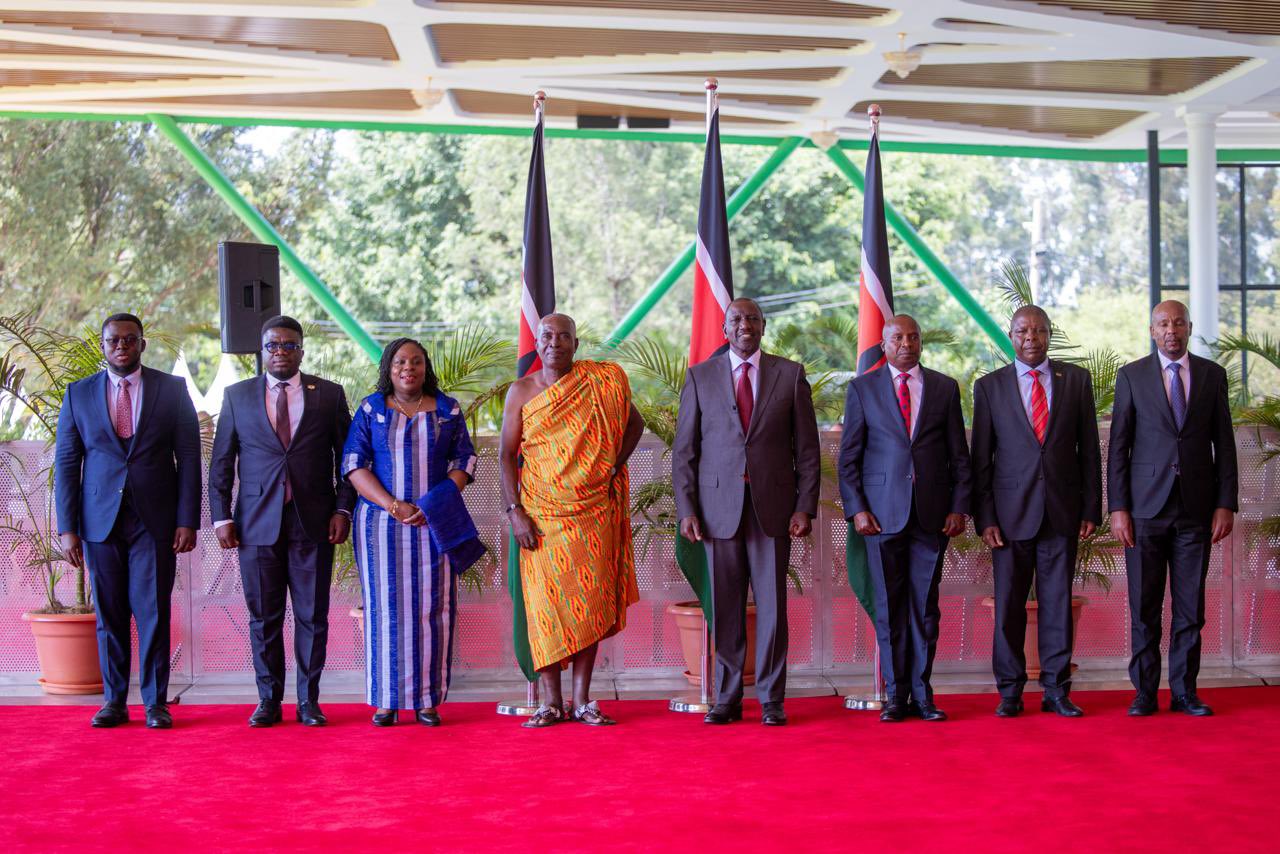
Back at State House, he received credentials from six envoys newly posted to Kenya, reaffirming Nairobi’s commitment to global partnerships.
“We are strategically engaging with other countries across the globe to build and grow networks to facilitate trade and investment,” he said.
December 2, Tuesday
At State House, the President received the Jukwa la Usalama Report and announced a promotion plan for all trained chiefs and assistant chiefs effective July 2026.
He unveiled a raft of administrative reforms including the issuance of tablets to chiefs, provision of more than 3,000 new vehicles, and a monthly stipend of Sh3,000 for 106,000 village elders starting July 2026.
He also briefed more than 15,000 chiefs and assistant chiefs on the Bottom-Up Economic Transformation Agenda, outlining plans to operationalise 24 new sub-counties, 88 divisions, 318 locations and 675 sub-locations.
The government will also build 900 new police stations to enhance security countrywide.
December 3, Wednesday
Ahead of the Washington peace deal, Ruto held a series of bilateral meetings with global finance leaders.
He met US International Development Finance Corporation CEO Ben Black, who expressed readiness to expand cooperation in food security, energy, ICT and infrastructure. DFC also agreed to post a representative to Nairobi from January 2026 and to proceed with a $1 billion debt-for-food-security swap.
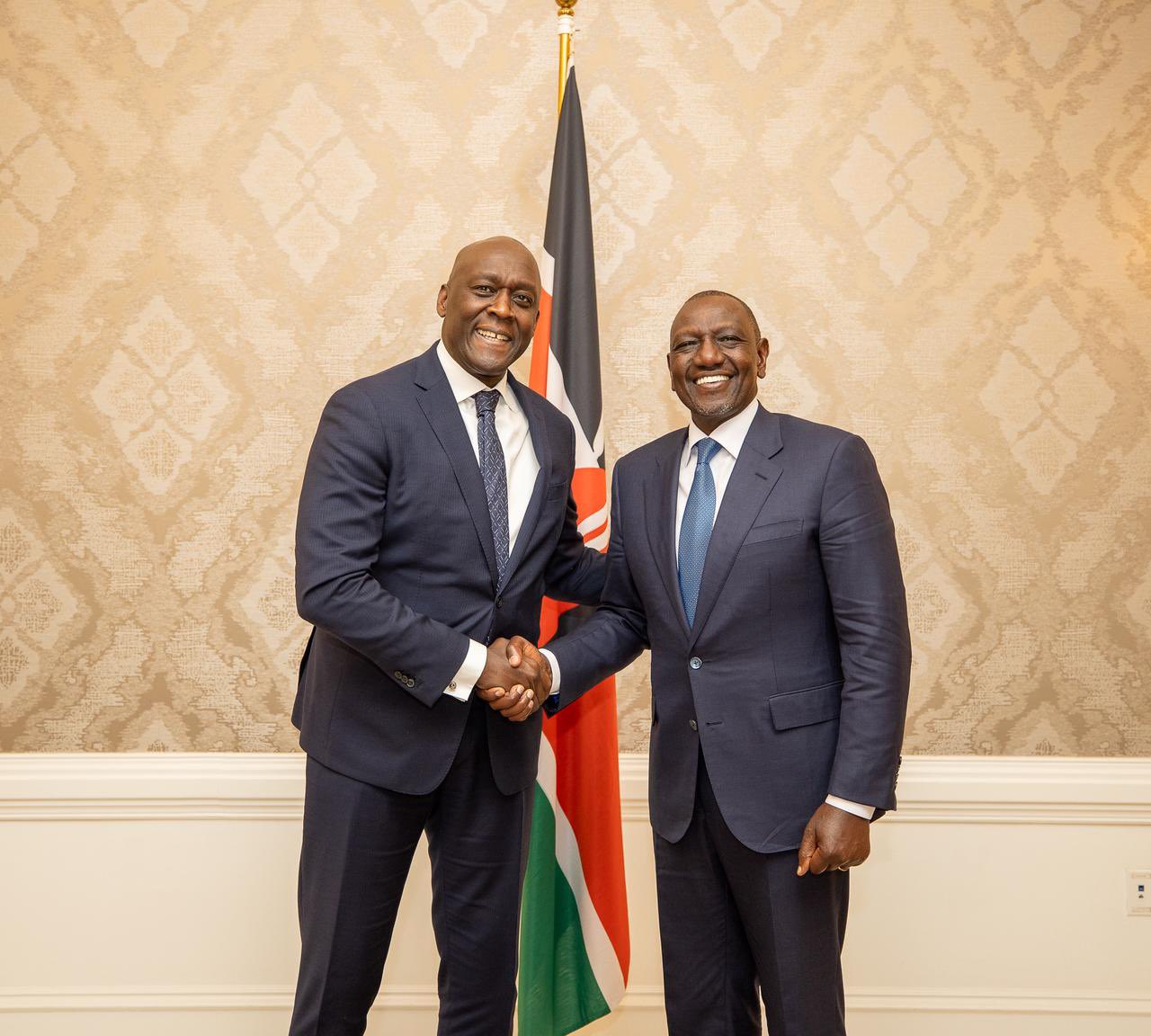
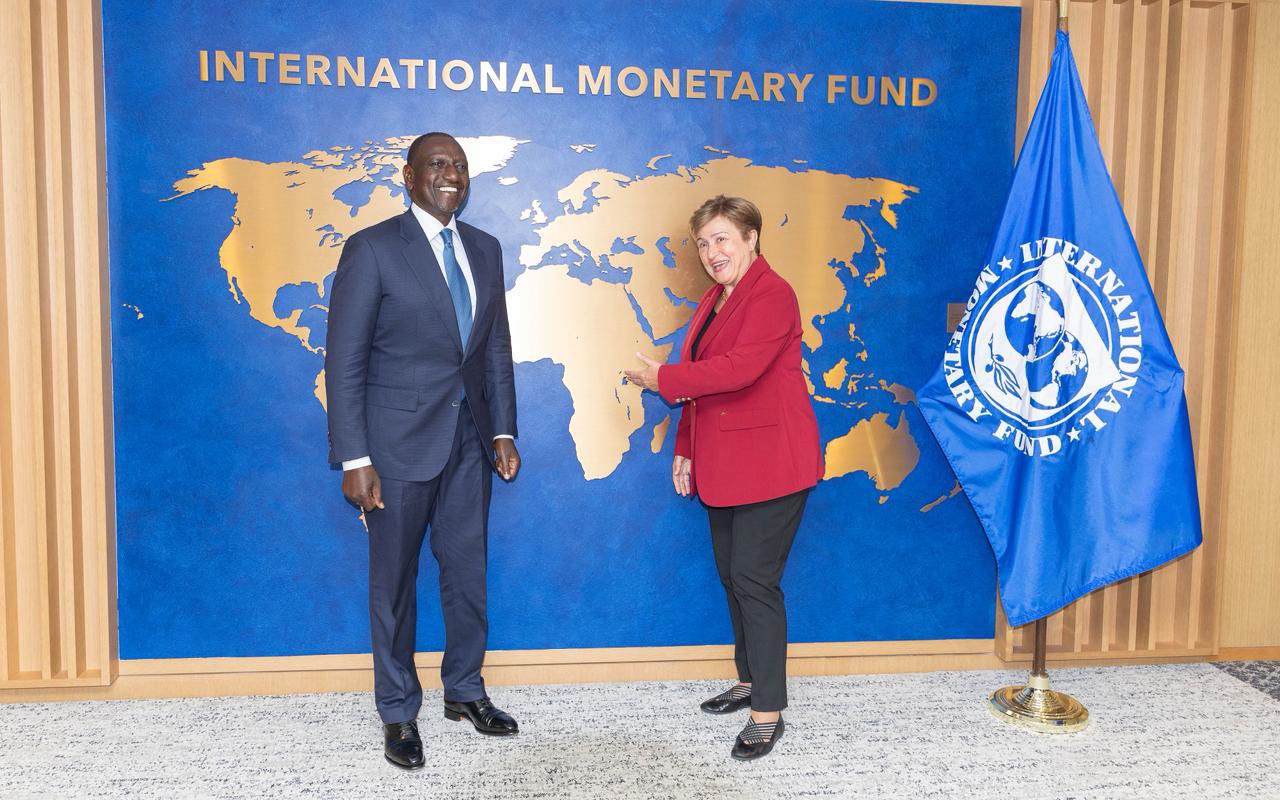
Ruto also held talks with IMF Managing Director Kristalina Georgieva and IFC Managing Director Makhtar Diop on supporting Kenya’s reform agenda, infrastructure modernisation and energy investment.
December 4, Thursday
Ruto hosted a dinner meeting with executives from leading American companies exploring opportunities in energy, ICT, agriculture, health and climate resilience. He urged them to tap into Kenya’s youthful workforce and robust regulatory environment.
He later witnessed the signing of the groundbreaking Kenya–US Health Cooperation Framework, a Sh208 billion (USD 1.6 billion) deal that makes Kenya the first African country to sign such a partnership with the United States.
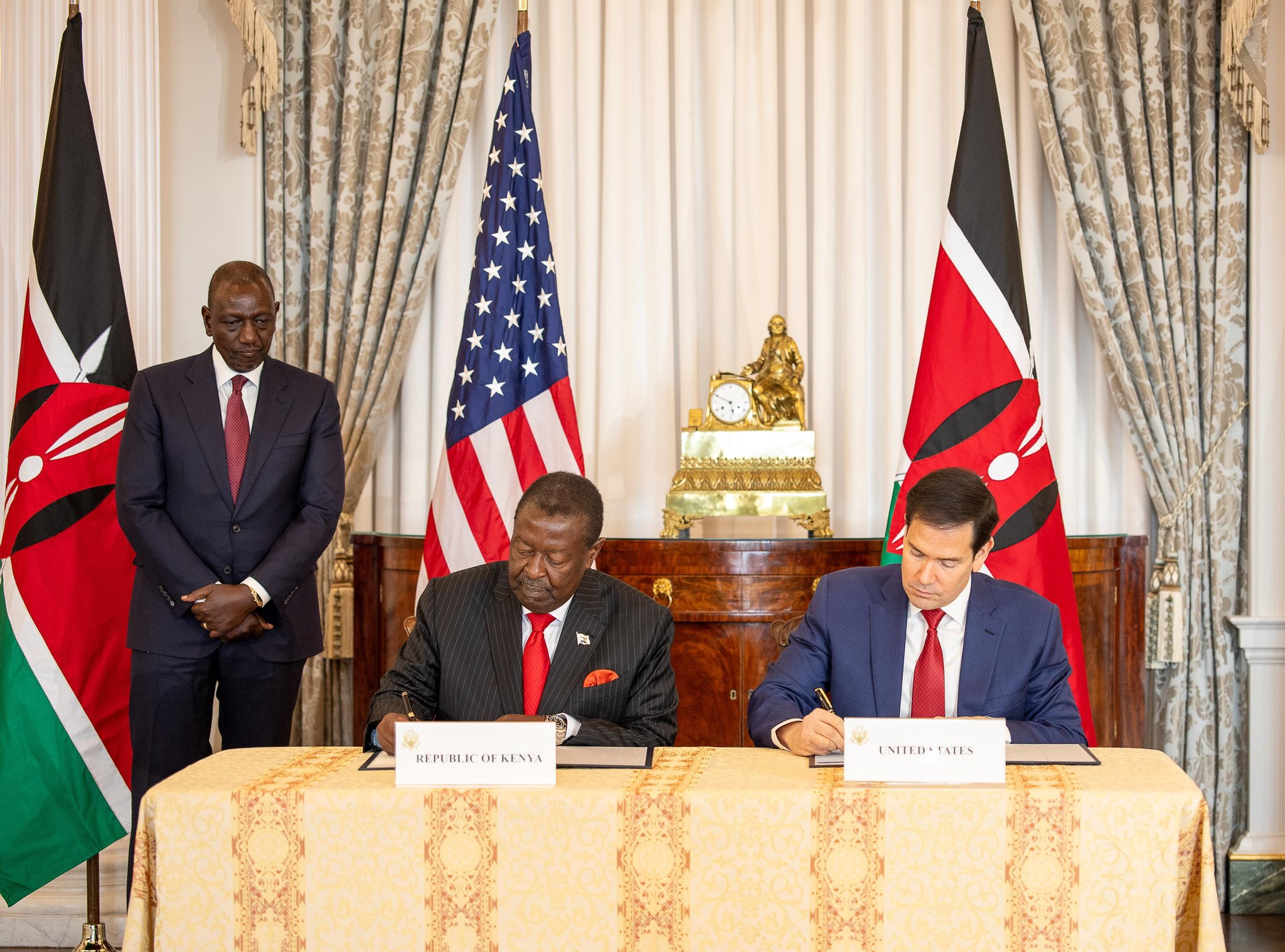
The framework, signed by U.S. Secretary of State Marco Rubio and Prime Cabinet Secretary Musalia Mudavadi, prioritises modern medical equipment, expanded health insurance, timely delivery of essential commodities and the upscaling of Kenya’s health workforce.
“This decision reflects growing confidence in the strength, sustainability, and reform momentum of our healthcare systems,” Ruto said.
Earlier at the Donald J. Trump United States Institute of Peace, he witnessed the signing of the Washington Accord between DRC President Félix Tshisekedi and Rwanda’s Paul Kagame, a landmark step toward ending three decades of conflict in eastern DRC.
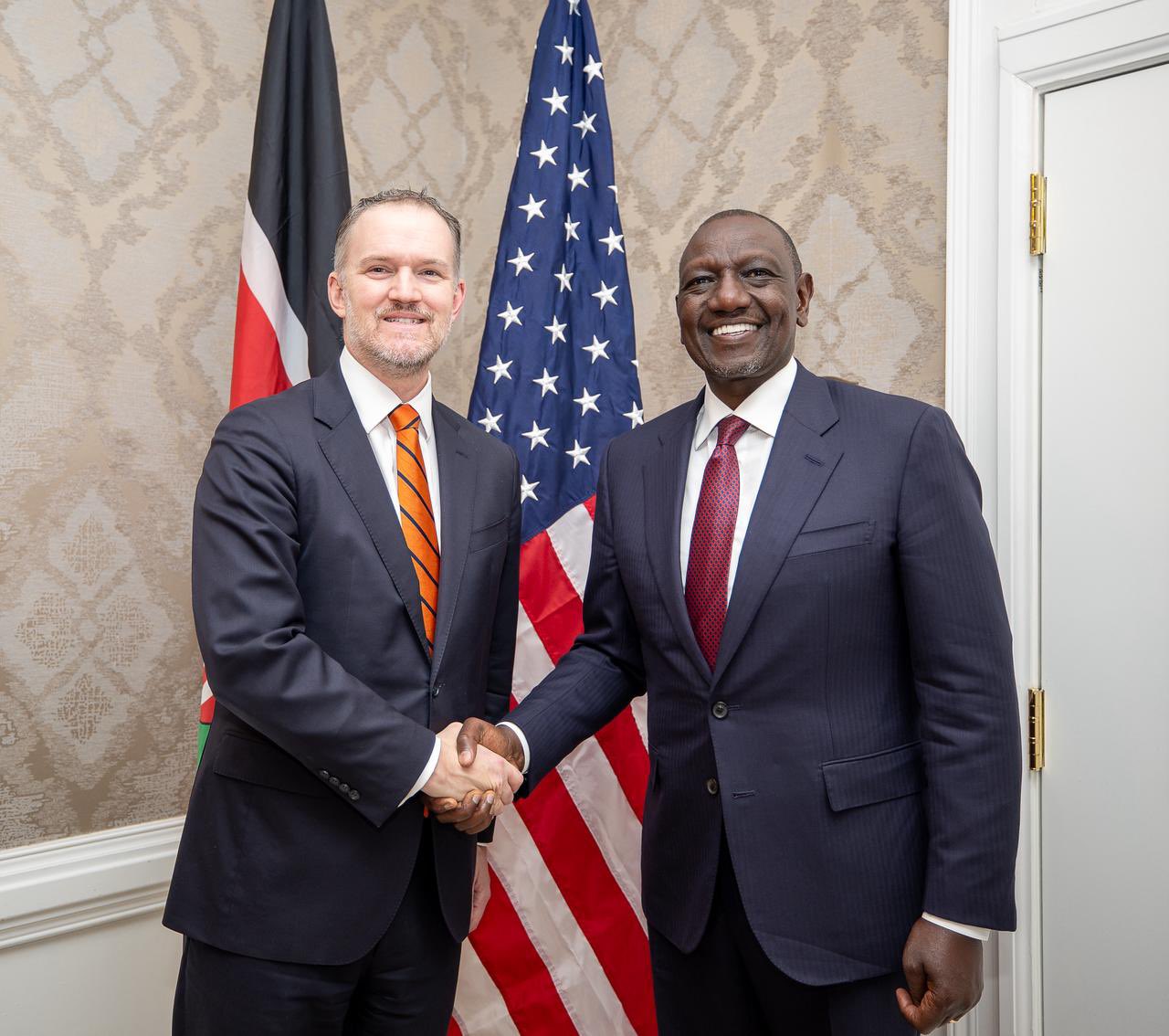
“The Washington Accord stands as the most credible and hopeful pathway to ending three decades of conflict and inaugurating a new chapter of friendship, cooperation and mutual progress,” he affirmed.
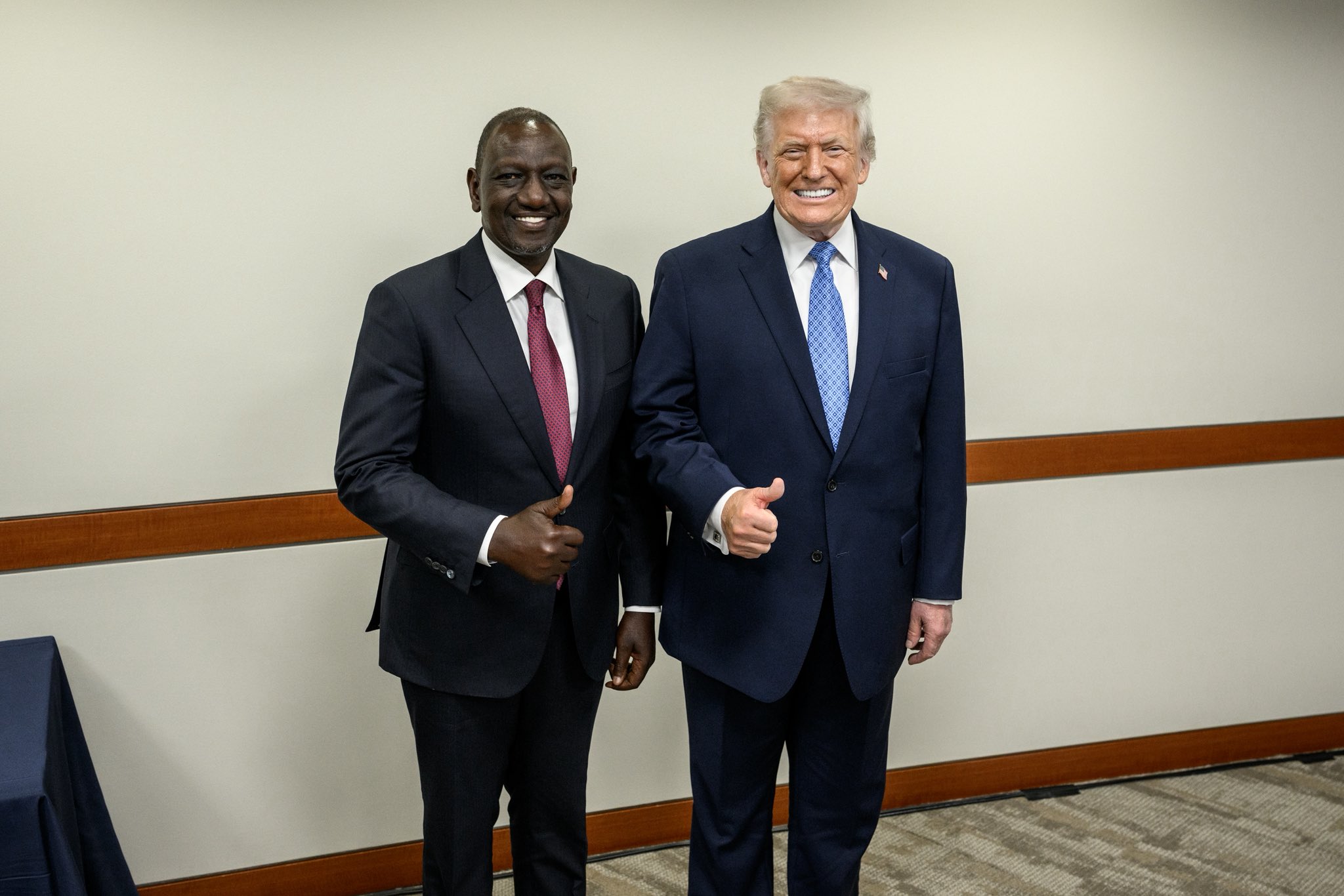
The President later met Trump, praising his administration’s clarity of purpose and renewed momentum in strengthening US-Kenya relations.
“Our engagements marked a watershed moment in the long, strategic friendship between our two nations,” Ruto said.
He cited progress in health, trade, infrastructure, security and counter-terrorism cooperation.
December 5, Friday
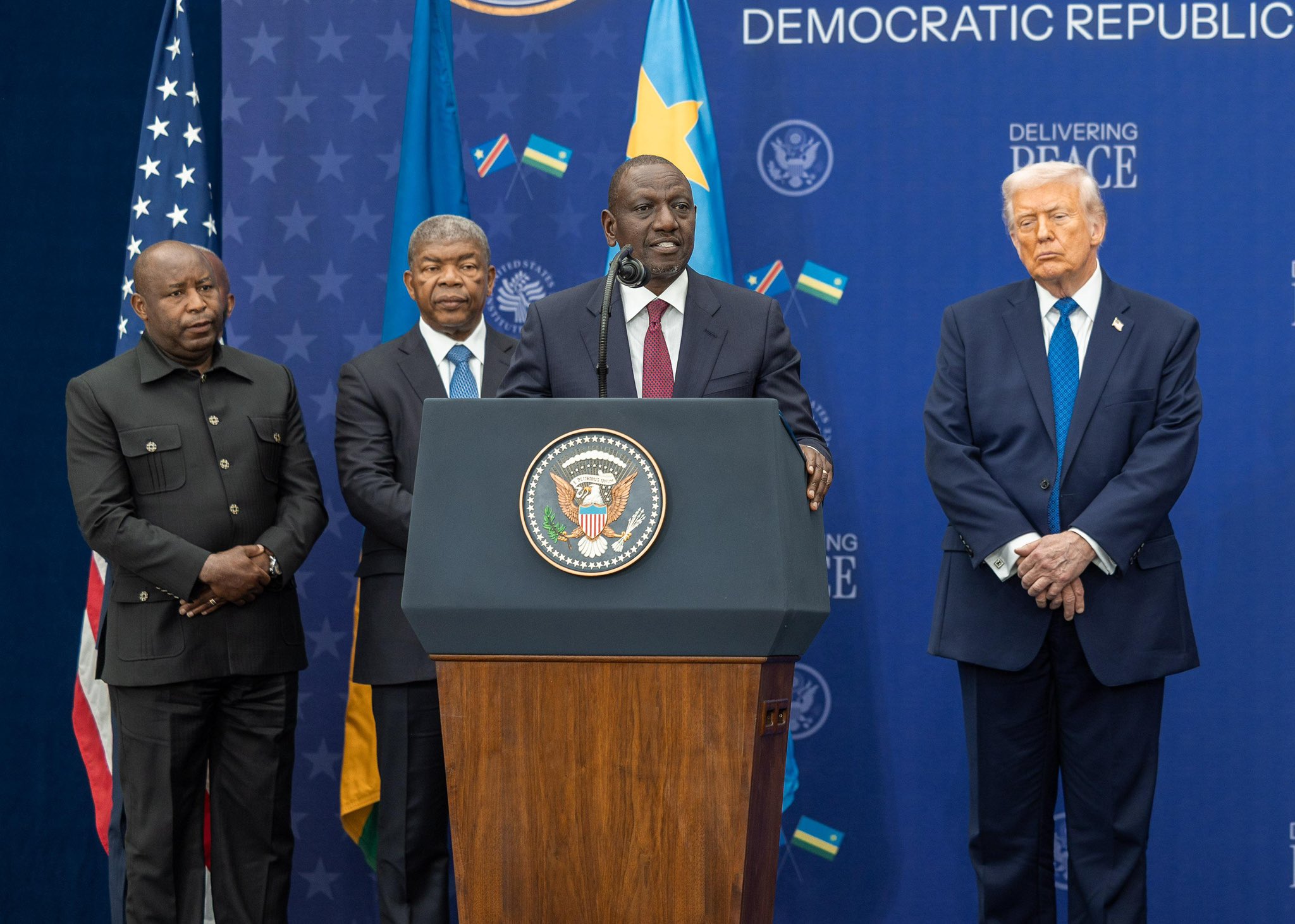
Ruto held talks with US Trade Representative Ambassador Jamieson Greer on developing a bilateral trade arrangement aimed at expanding investment in textiles, agriculture, ICT, chemicals, footwear and pharmaceuticals.
Kenya welcomed the Trump administration’s proposal to extend AGOA for one year, pending Congressional approval, to allow time for crafting a more comprehensive programme.

![[PHOTOS] Red carpet in Pretoria as Ruto begins South Africa visit](https://cdn.radioafrica.digital/image/2026/06/abe3e750-6e5a-4394-a45c-899768be6240.jpeg)