MWAMISI: Ruto’s US visit deepens Kenya’s role in global peace and power
It advances foreign policy priorities and consolidates strategic partnerships critical for national development and security.
by CALEB MWAMISI
Audio By Vocalize
President
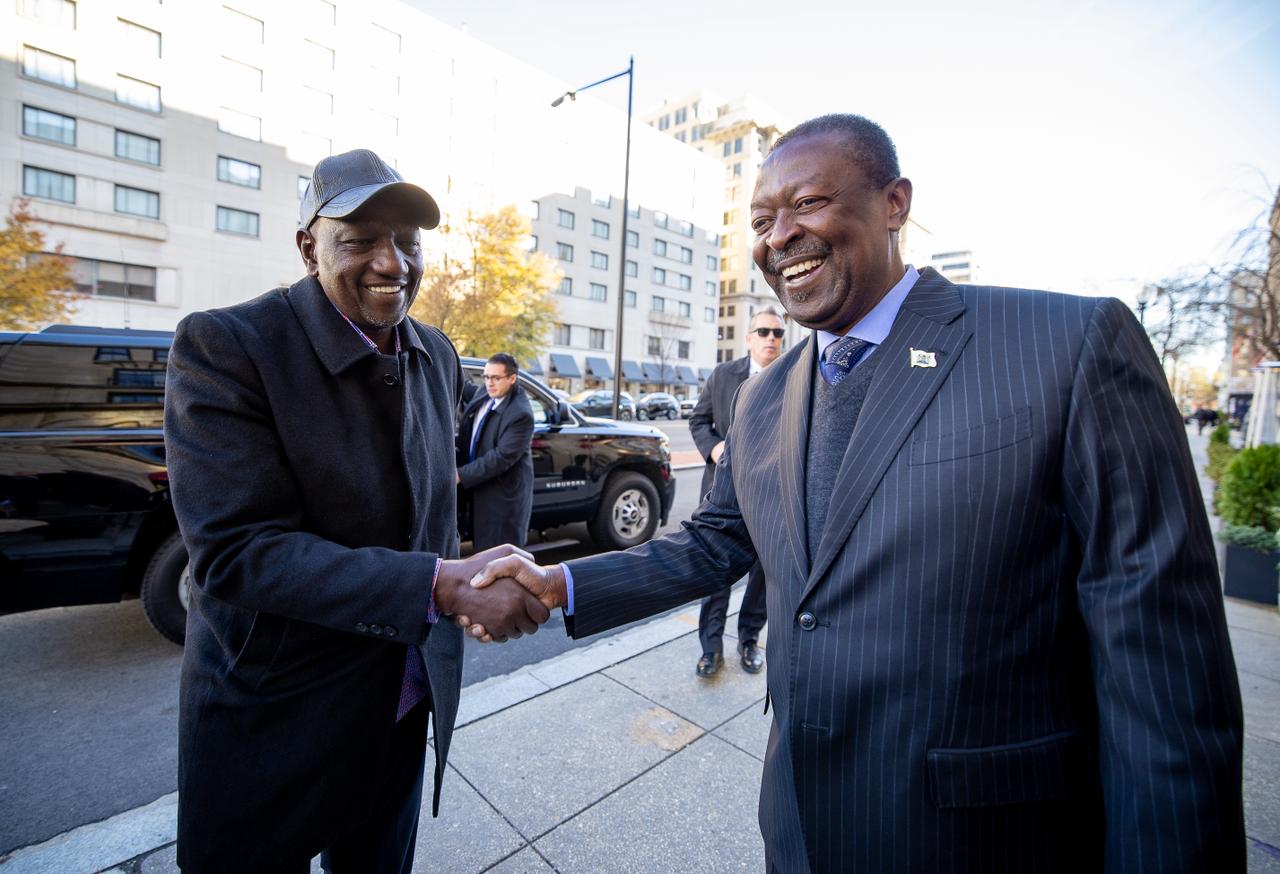
William Ruto’s visit to the United States at the invitation of President Donald
Trump comes at a moment of profound significance for Kenya’s foreign relations
and geopolitical standing.
This trip is more than a routine diplomatic sojourn.
It offers Kenya an unparalleled platform to strengthen bilateral ties with a
superpower while reaffirming its critical role in maintaining peace and
fostering stability within the Horn of Africa and the broader Eastern African
region.
In the complex
theatre of global geopolitics, Kenya occupies a position of unique strategic
importance, and President Ruto’s engagement affords an opportunity to deepen
that status and clarify Kenya’s narrative on the world stage.
The timing of
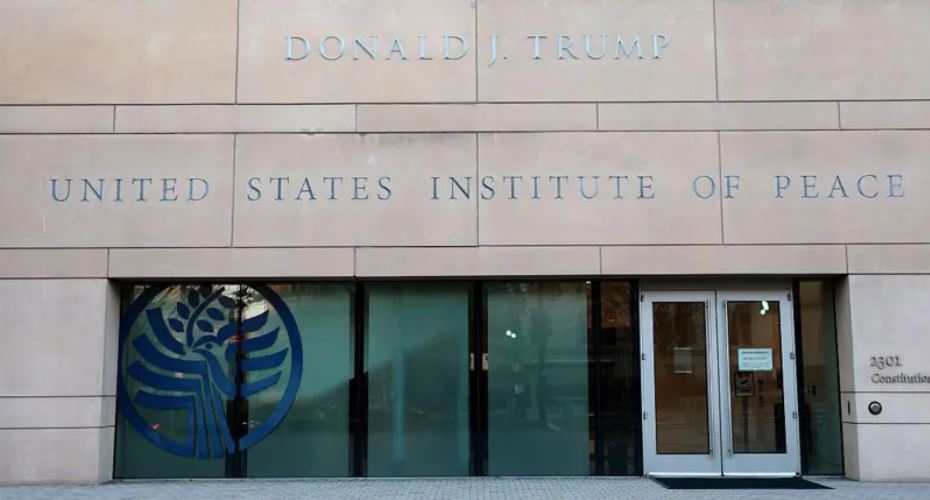
this visit is especially auspicious. The head of state will witness the signing
of a peace agreement between the Democratic Republic of the Congo and Rwanda,
symbolising hope for a fragile but vital part of the African continent long
marred by conflict and instability.
The peace agreement, brokered with broad
international involvement, including by the United States, represents a
concerted effort to resolve tensions that have contributed to humanitarian
crises and regional insecurity.
Kenya’s
presence at this critical juncture highlights its commitment not only to
regional peace but also to its emergence as a stabilising force in Africa.
President Ruto’s input and diplomatic visibility in such a monumental process
further underscore Kenya’s broader peacebuilding credentials and the respect it
commands among African and global leaders.
Kenya’s
geopolitical importance to the United States extends beyond matters of peace
and security. It is central to a shared agenda that encompasses economic
development, counterterrorism efforts and strategic influence in Africa. The
region’s security architecture relies heavily on Kenya’s capacity to maintain
internal stability and to act as a regional hub for intelligence and military
cooperation.
Threats from
extremist groups such as al Shabaab have necessitated strong collaboration
between Kenya and the US, as Nairobi plays an instrumental role in both combat
operations and community resilience programmes aiming to tackle the root causes
of radicalisation.
Beyond security, Kenya’s economic dynamism appeals to
American investors and corporations seeking footholds in East Africa’s
burgeoning markets. As the continent pursues transformative reforms and
infrastructure development, Kenya stands at the forefront, serving as a gateway
for trade and investment on the continent.
However, this
visit must also be viewed through the prism of narrative and perception
management. Kenya, despite its achievements and potential, frequently contends
with entrenched misperceptions internationally that can obscure the reality of
its progress and governance efforts.
For years, Kenya’s image abroad has at
times been clouded by stereotypes anchored in isolated incidents of political
discord, corruption narratives and developmental challenges.
These narratives
do not always reflect the nuanced and evolving nature of Kenya’s political
economy or its commitment to democratic ideals and governance reforms.
Ruto’s style
of candid expression and straightforward communication equips him exceptionally
well to counteract such misconceptions during this visit. His ability to
articulate Kenya’s realities frankly and persuasively presents a valuable
conduit to assert Kenya’s position on pressing issues.
Addressing Washington’s
policymakers, business leaders and the broader international audience, the
President can dismantle outdated stereotypes and highlight Kenya’s strides in
institutional reforms, technological innovation, democratic consolidation and
economic diversification.
In doing so, he not only defends Kenya’s interests
but also invites deeper engagement and partnership from the United States and
other global actors.
The
geopolitical climate at present also underscores the salience of this trip. The
international order is characterised by shifting alliances and intensified
competition among major powers to assert influence across Africa.
The United
States is mindful of emerging actors in the region, including China and Russia,
whose growing presence challenges traditional Western partnerships.
Kenya’s
role as a reliable and principled partner is invaluable in this context.
Strengthening US-Kenya ties is not merely transactional. It is an investment in
a partnership grounded in shared values such as governance, human rights and
inclusive development.
This visit offers an occasion to bolster these
principles through enhanced cooperation on security, trade, regional conflict
resolution, and a sustainable development agenda.
Moreover,
President Ruto’s participation in the DRC-Rwanda peace agreement-signing
signals Kenya’s dedication to pan-African solutions to continental challenges.
The tensions between the DRC and Rwanda have long fuelled instability in the
Great Lakes region.
Kenya’s presence as a witness to this historic accord is a
powerful diplomatic message affirming its support for peace initiatives that
transcend national borders.
It reiterates Kenya’s commitment to African
solidarity, regional integration, and collective security efforts — pillars
forming the bedrock of the African Union’s agenda and the continent’s long-term
prosperity.
The interplay
of these factors places the President in a position to leverage this visit for
multiple strategic ends. Foremost, it advances Kenya’s foreign policy
priorities by consolidating strategic partnerships that are critical for
national development and security.
It allows Kenya to present itself as a
mature and dynamic state willing to engage transparently on complex issues
affecting the region. Additionally, it provides a platform to attract increased
American investment, which remains vital for Kenya’s ambitious development
plans under the Big Four Agenda and Vision 2030 aspirations.
Equally
important is the symbolic value of President Ruto’s direct and candid
communication style. In international diplomacy, where often polished speeches
can mask deeper truths, Ruto’s forthrightness is a refreshing departure.
This
can foster trust, facilitate candid dialogue on contentious issues, and clarify
Kenya’s stance on challenges such as governance reform, electoral integrity,
and combating corruption. Such openness enhances Kenya’s credibility as a
partner and can demystify concerns that might otherwise hinder deeper
cooperation.
In sum,
President Ruto’s US visit comes at a moment replete with opportunity and responsibility.
It reflects Kenya’s growing diplomatic confidence, its pivotal role in regional
peace and security, and its ambition to deepen strategic partnerships beyond
Africa’s borders.
The inclusion of Kenya as a key witness to the DRC-Rwanda
peace agreement signing amplifies this moment’s significance, symbolising
Kenya’s commitment to peacebuilding and conflict resolution in one of Africa’s
most troubled regions.
With the world
watching, President Ruto is well placed to use this platform to rearticulate
Kenya’s vision for peace, stability, and development. By doing so candidly and
convincingly, he will strengthen Kenya’s bilateral relations with the United
States, elevate its global profile, and reinforce its indispensable role as a
beacon of hope and leadership in Africa.
This visit has the potential to be a
defining chapter in Kenya’s foreign diplomacy, a moment when commitments are
translated into concrete progress and when Kenya’s voice on the international
stage resonates with clarity, honesty, and purpose.
This is premium content
Subscribe to Continue Reading
Help us continue bringing you unbiased news, in-depth investigations, and diverse perspectives. Your subscription keeps our mission alive and empowers us to provide high-quality, trustworthy journalism. Join us today to make a difference!