


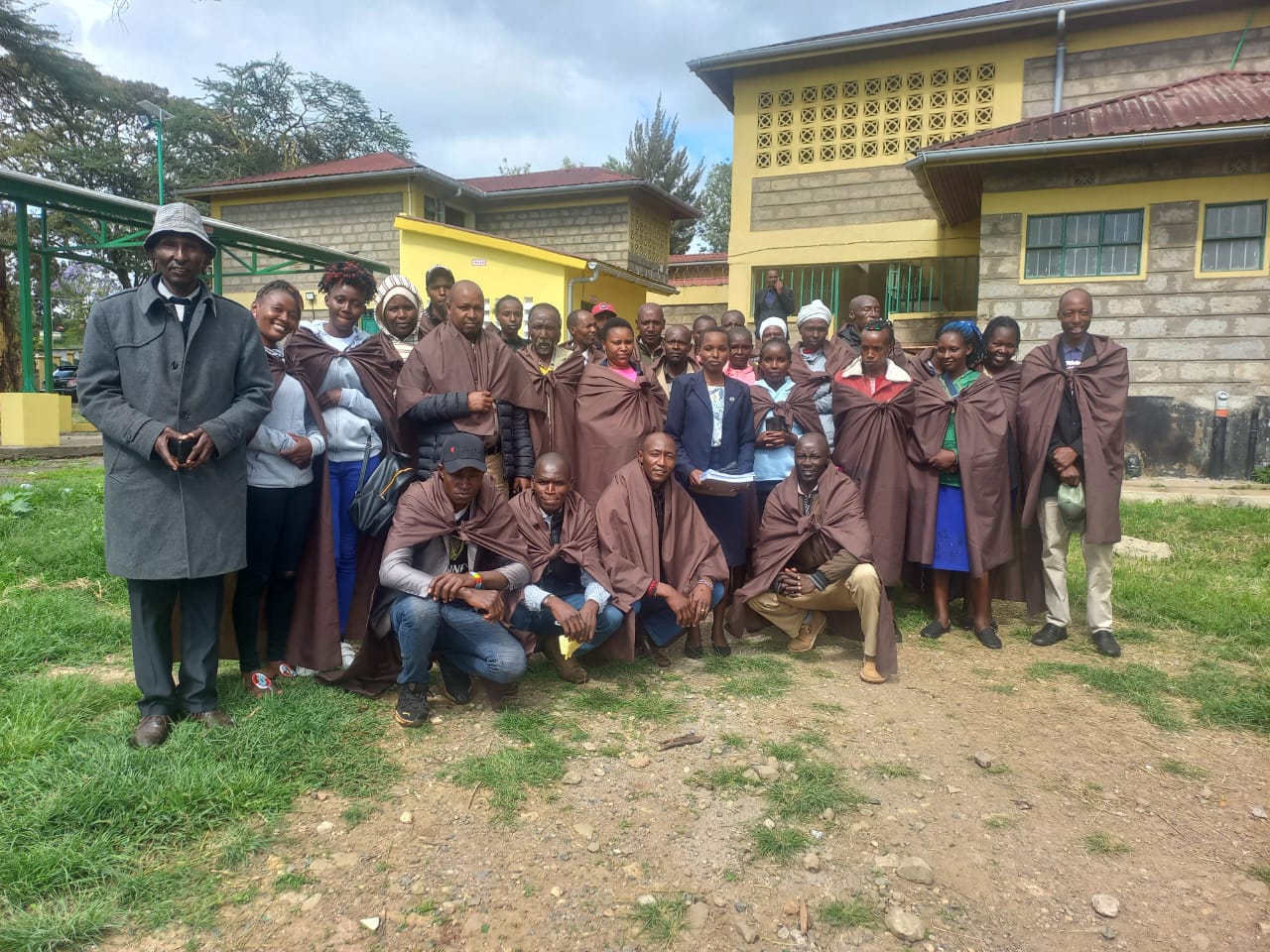
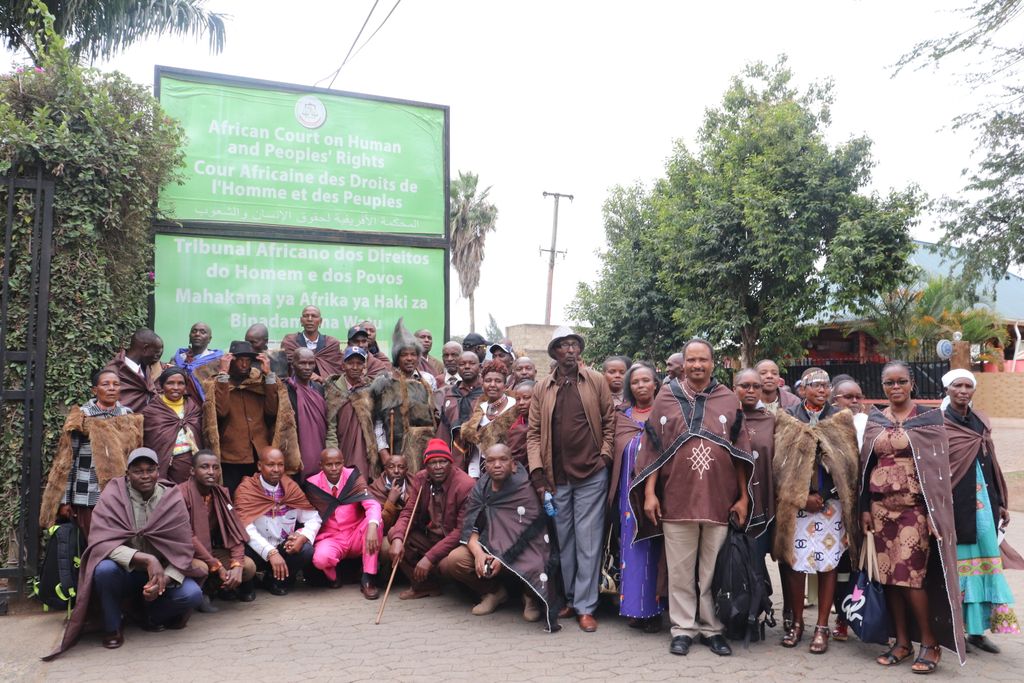
The African Court on Human and Peoples’ Rights on Thursday
issued a sweeping set of directives ordering the Kenyan government to
immediately implement all aspects of the landmark 2017 Ogiek judgment.
This seeks to end years of stalled compliance, delayed
processes and ongoing violations against the indigenous group.
In a strongly worded ruling in Arusha, the African Court
held that Kenya has repeatedly failed to carry out its obligations under both
the 2017 judgment on the merits and the 2022 reparations ruling, and may not
rely on domestic laws, internal procedures or administrative constraints to
justify continued non-compliance.
The decision follows a protracted compliance process marked
by two postponements, first in February, when the government failed to file
required submissions, and again in June, when the matter was pushed due to
incomplete documentation.
The court finally proceeded with a full compliance hearing,
expressing concern that eight years after the original ruling, the Ogiek
continue to face evictions, land uncertainty and lack of redress.
In June 2017, the court found that Kenya had violated at
least seven rights of the Ogiek by forcibly evicting them from the Mau Forest,
including their rights to land, property, culture, religion, development and
natural resources.
In 2022, the court ordered reparations, including monetary
compensation, community development measures and formal recognition of the
Ogiek as an indigenous people.
Most of these orders remain unimplemented, prompting the
court to take a firmer stance in the new ruling.
The court emphasised that it is “of utmost importance” that
Kenya desists from any conduct that undermines the implementation of the
judgments.
It reiterated that international obligations supersede
domestic law, warning that Kenya cannot cite internal processes to delay
justice.
Among the major directives are that Kenya must file a clear,
specific and fully detailed implementation plan in six months and must take all
necessary steps to remedy the violations identified in 2017 without further
delay.
The government must immediately begin paying the monetary
reparations ordered in 2022, and identify, delimit, demarcate and title Ogiek
ancestral land in full consultation with the community.
Additionally, the court directed that the Ogiek must be
formally recognised as an indigenous people of Kenya, including the protection
of their language, cultural identity and spiritual practices.
Others are consultation obligations with the community
before any investment project is undertaken on their land and during the entire
reparations implementation process, and establishment of legal and
administrative safeguards to prevent future violations.
The government must immediately establish the Ogiek
Community Development Fund as earlier ordered and publish the 2017 merits
judgment and summaries of all related decisions in accessible national
platforms.
Ogiek Peoples’ Development Programme executive director
Daniel Kobei welcomed the ruling, terming it a relief as they have been at the
African Court six times.
Kobei regretted that the government has denied them the
right to live on their lands as an indigenous people, rights it continues to
violate despite clear orders from the African court.
“This is the seventh time, and we were hopeful that the
court would be more strict to the government of Kenya in ensuring that a
workable roadmap be followed in implementing the two judgments,” he said.
Welcoming the ruling, Minority Rights Group said the
decision reiterates previous findings of more than a decade of unremedied
violations against the indigenous Ogiek people, centred on forced evictions
from their ancestral lands in the Mau forest.
Kenya has repeatedly justified the eviction of Ogiek as
necessary for conservation.
However, many in the community see a connection between
their eviction and Kenya’s participation in lucrative carbon credit schemes,
MRG said.
Samuel Ndasi, AU Advocacy and litigation officer at MRG,
said the court’s decision underscores the importance of timely and full
implementation of measures imposed on a state.
“Kenya must now repay its debt to the indigenous Ogiek by
restituting their land and making reparations, among other remedies ordered by
the court.”


![[PHOTOS] Elderly brave cold to vote in Ol Kalou](https://cdn.radioafrica.digital/image/2026/07/d2345b9e-578f-45ff-9bb0-d7819671c165.webp)
![[PHOTOS] Ol Kalou residents turn out in large numbers to vote](https://cdn.radioafrica.digital/image/2026/07/fe42d51c-7f79-466e-94e8-59561f77bbe7.webp)