Kenya’s
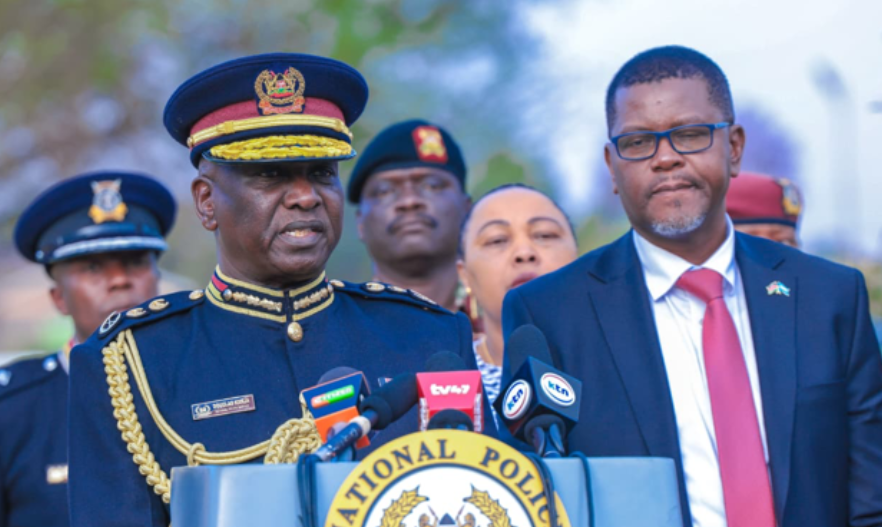
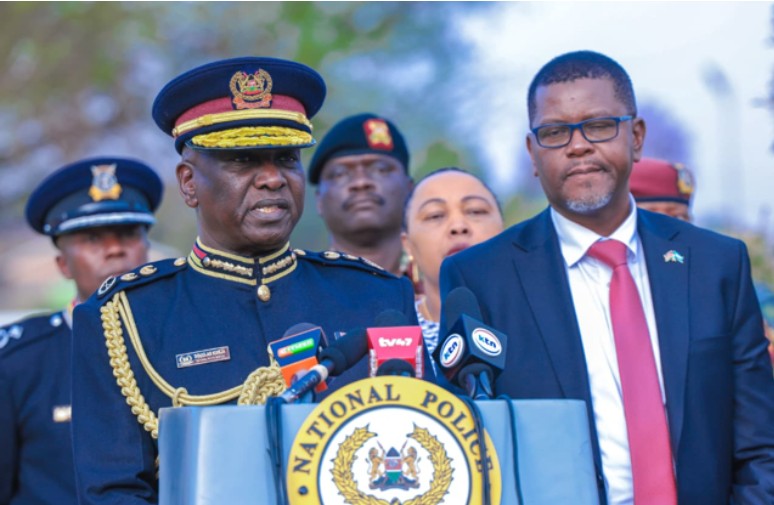
security leadership has again taken its place on the global stage as Inspector-General
of Police Douglas Kanja and DCI boss Mohammed Amin led the national delegation
to the 93rd Global Police Leaders Session of Interpol in Marrakech, Morocco.
The high-profile
meeting from November 24 to 29 brought together top policing commanders
worldwide under the theme ‘Uniting Global Policing for a Safer World’.
Received by
Ambassador Jessica Gakiga alongside diplomatic and foreign affairs officials,
the Kenyan delegation’s presence signalled the country’s commitment to shaping
the evolving architecture of global policing. This comes at a time when
security threats have become more complex, borderless and technologically
driven.
The session
was designed to address the rapidly shifting nature of crime. Delegates
reviewed future programmes, set the organisation’s strategic direction, debated
budget priorities and evaluated global efforts in combating transnational
crime.
Key issues
included combating transnational organised crime networks, dismantling
international scam centres, expanding Interpol’s global capacity, and
accelerating the ratification and implementation of the UN Convention on
Cybercrime. Elections for top leadership
positions were held, making this meeting both strategic and consequential.
For Kenya,
participation at this level was not symbolic. It affirmed Kenya’s role as a
security anchor in East and Horn of Africa and strengthened the country’s
international policing partnerships.
Kenya has long
demonstrated global leadership through counterterrorism operations,
cross-border intelligence collaboration, and contributions to international
peacekeeping missions.
This high-level representation ensures that Kenyan
perspectives — especially those rooted in regional experiences — were fully
reflected in global policing reforms.
Emerging
security threats continue to evolve at a pace that demands international unity.
Transnational organised crime has grown in sophistication, cybercrime now threatens
national infrastructure and financial scam networks span continents. No nation
can secure itself in isolation.
Criminals collaborate globally; law enforcement
must do the same. This reality makes international cooperation not just a
diplomatic option, but a mandatory security necessity.
From this
meeting, Kenyans strengthened intelligence-sharing frameworks, enhanced
cybercrime investigative tools, improved access to global databases and agreed
on deeper training partnerships that enhance local policing capacity.
As a
country that continues to carry the burden of terrorism and organised criminal
activity, Kenya looks to the organisation to reinforce the nation’s global security
alliances and bring home actionable strategies to safeguard communities.
As a security
enthusiast and a person with disabilities, I emphasise the importance of
inclusive security frameworks that protect vulnerable populations.
The global
best practices shared at Interpol should guide Kenya in strengthening inclusive
disaster response mechanisms, safeguarding persons with disabilities in crime
situations, and integrating vulnerable groups into national security planning.
Kenya’s
presence in Marrakech was a reminder that the nation is not only participating
in global policing discussions but actively shaping them. At a time when the
world seeks unity against unprecedented security threats, Kenya stands firm —
as a partner, a leader, and a strong voice in the global movement toward a
safer world.