The government has reaffirmed its commitment to building a disability-inclusive society, emphasising that the rights and dignity of persons with disabilities remain central to Kenya’s national development agenda.
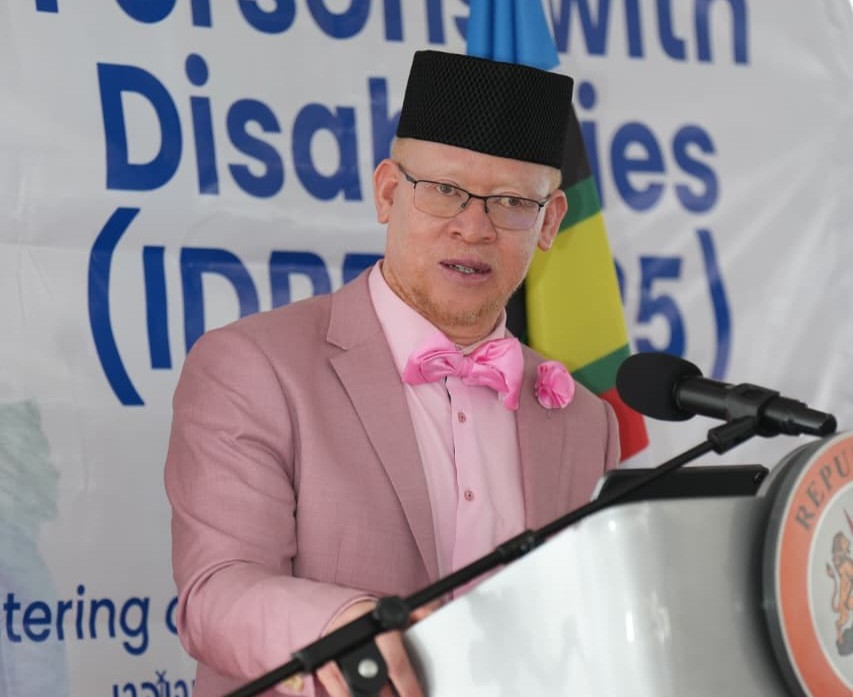
Speaking during the commemoration of the International Day of Persons with Disabilities, Government Spokesman Isaac Mwaura said disability inclusion remains a constitutional responsibility, supported by updated laws and policies designed to align Kenya with global standards.
Mwaura said the Persons with Disabilities Act of 2025 facilitates Kenya’s domestication of the UN Convention on the Rights of Persons with Disabilities and is reinforced by the Bottom-Up Economic Transformation Agenda, which seeks to ensure equitable access to resources, opportunities and social protection.
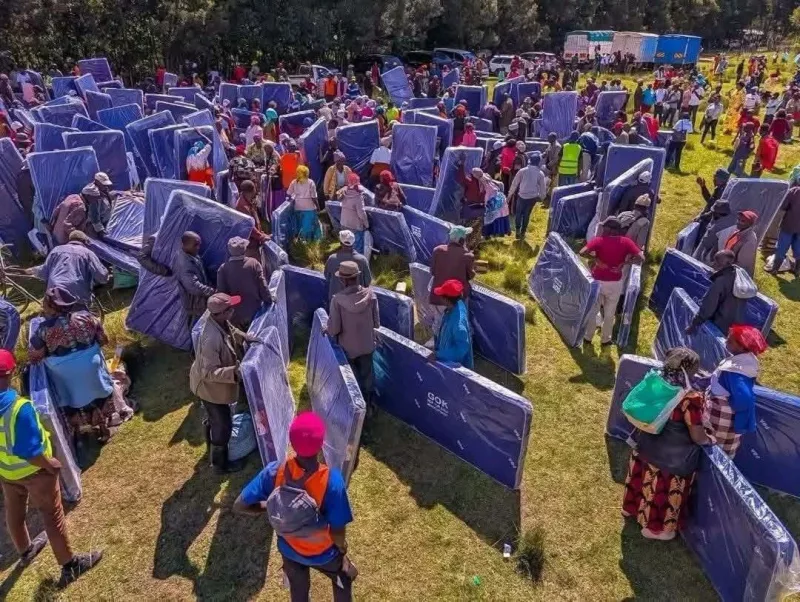
He noted that government initiatives, among them the expansion of cash transfers and the timely disbursement of funds, are supporting more than 50,000 households under the Inua Jamii programme.
This year’s theme, “Fostering Disability-Inclusive Societies for Advancing Social Progress,” he said, underscores the constitutional principle that all Kenyans should be supported to participate in national development without discrimination.
Mwaura also highlighted the finalisation of the Persons with Disabilities National Policy, 2024, and the strengthening of the Inter-Agency Coordinating Advisory Committee, which brings together ministries, counties and organisations of persons with disabilities.
These actions, he said, reflect a whole-of-society approach based on partnership and equitable development.
The State Department for Labour and Social Protection, through its Disability Empowerment and Vocational Rehabilitation Department, is implementing programmes that include training county disability champions, developing Community-Based Inclusive Development frameworks and rolling out training manuals aimed at promoting community-level service delivery.
Mwaura acknowledged ongoing efforts by political parties, civil society and community groups to enhance civic and electoral participation among persons with disabilities.
He said recent increases in disability representation within various leadership spaces indicate progress toward broader inclusivity.
He added that the government has improved access to healthcare through community-based rehabilitation, expanded provision of assistive devices and mobility aids, and integrated disability-responsive services within primary healthcare reforms.
In education, institutions such as Thika Primary School for the Blind and Thika High School for the Blind have received upgraded infrastructure, additional learning resources and teacher support.
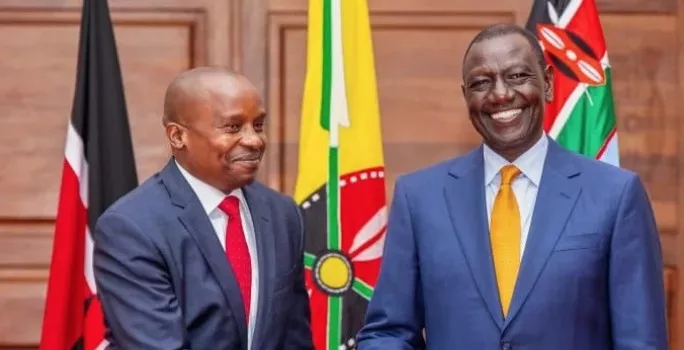
Mwaura noted that last year, President William Ruto approved Sh20 million for infrastructural development at Thika High School for the Blind.
He said the government is also expanding the training of specialised teachers and increasing access to braille materials and ICT-based learning tools.
“As a nation, our progress must be shared, equitable and inclusive. Persons with disabilities are not beneficiaries; they are contributors to Kenya’s development,” Mwaura said.