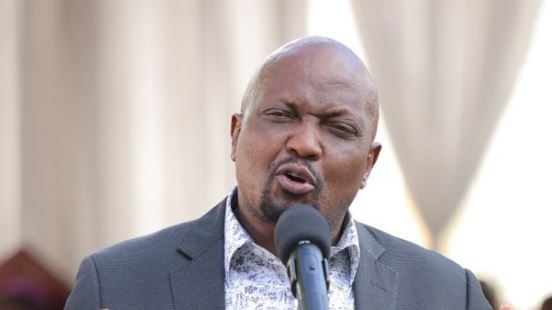


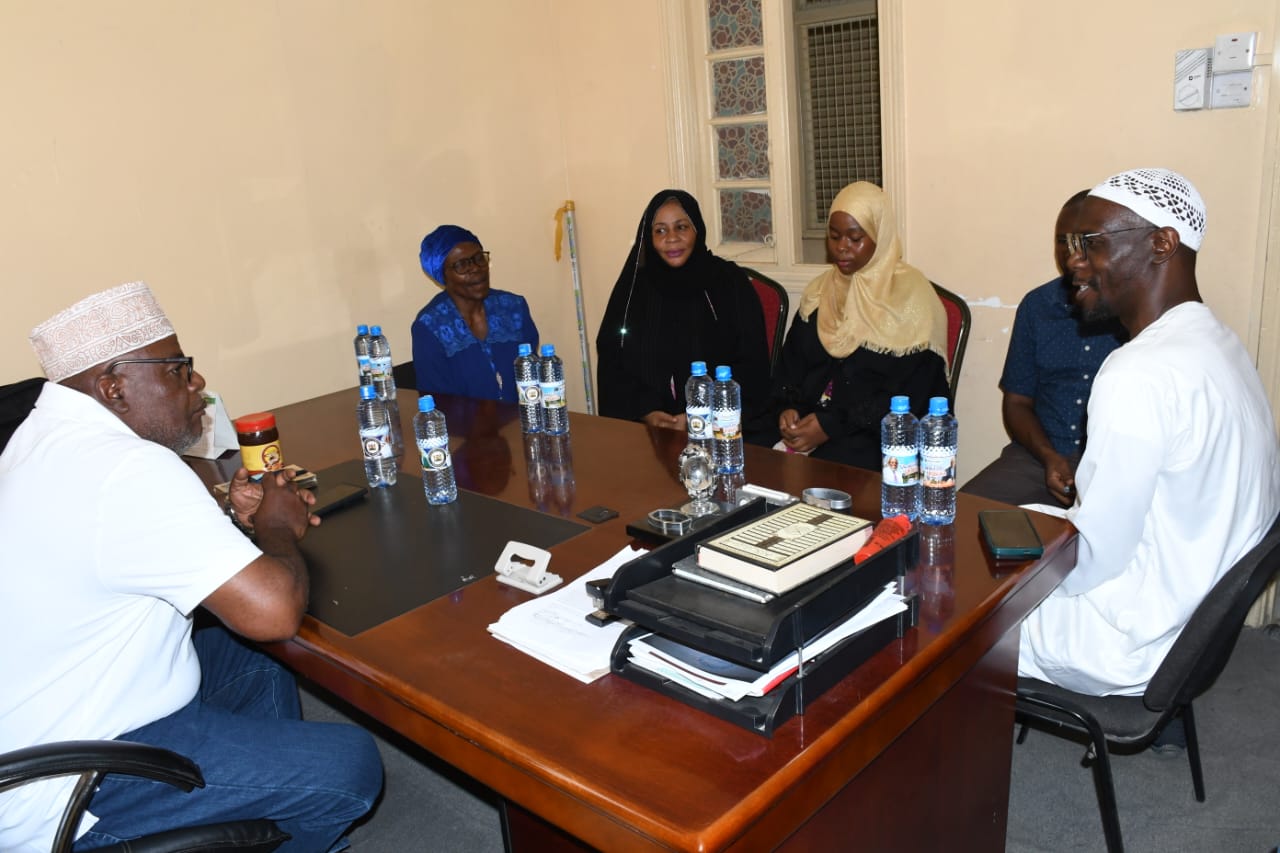
Mombasa Senator
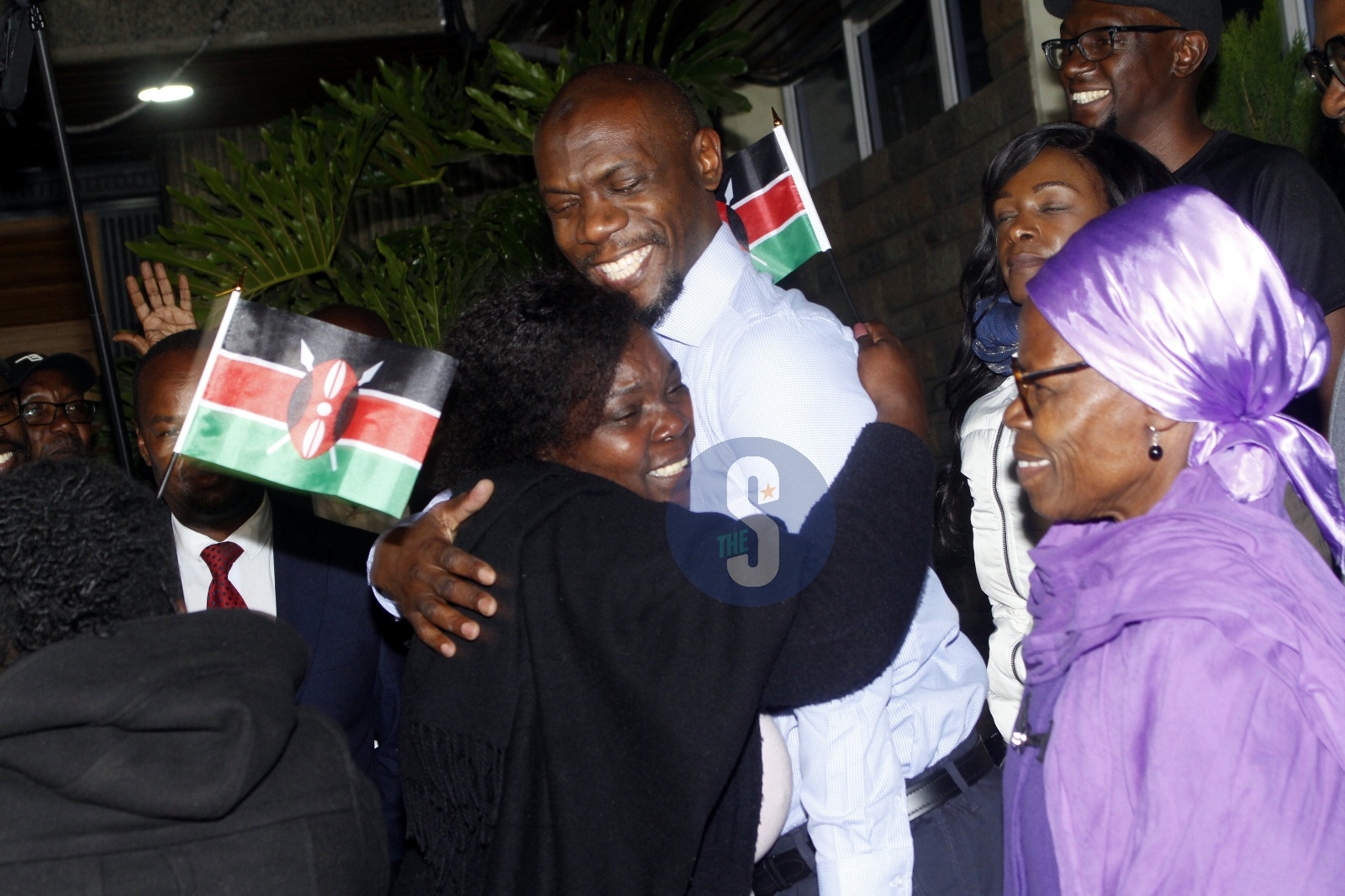
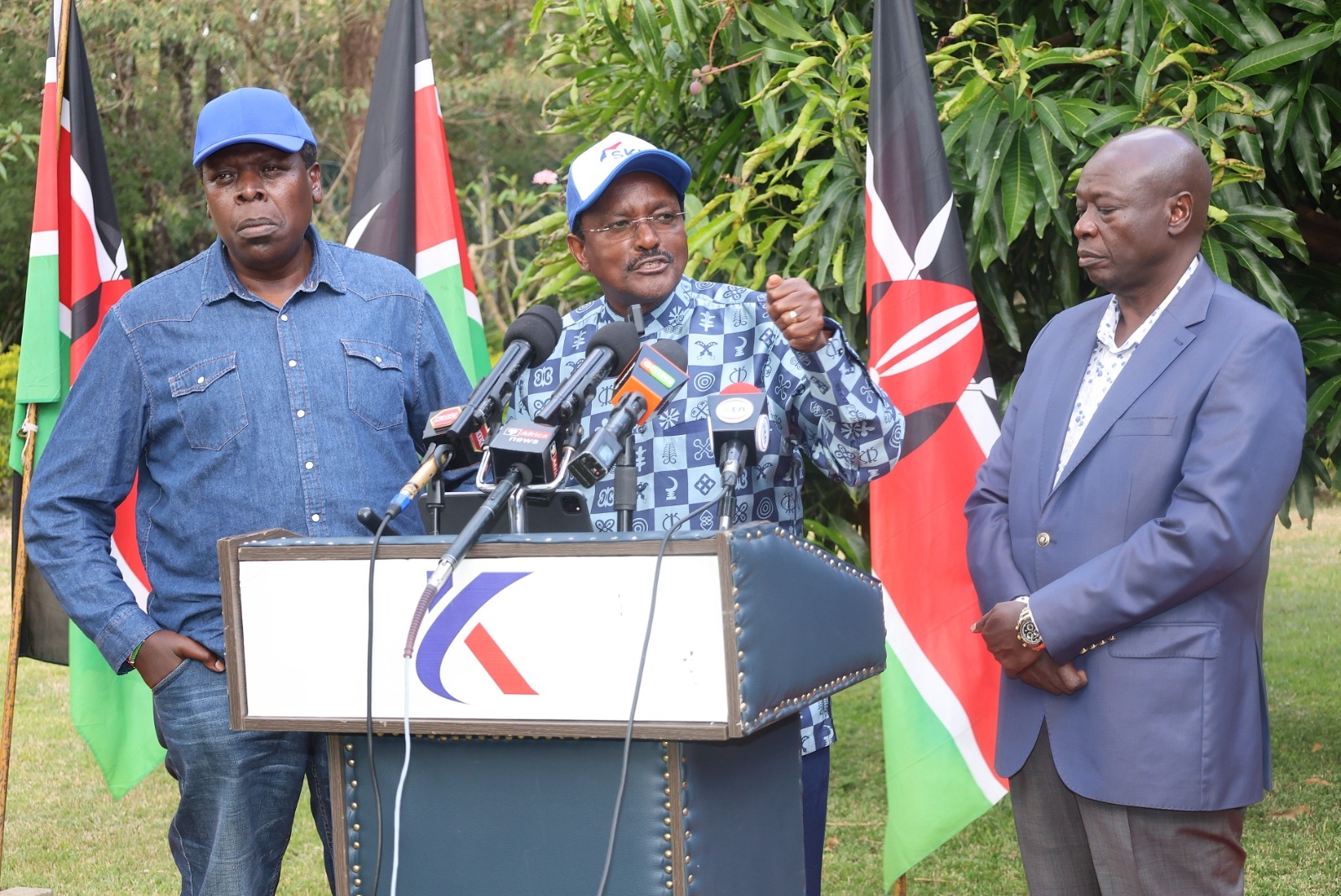
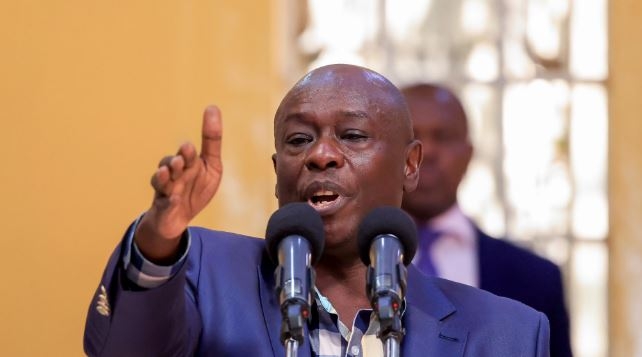
Mohamed Faki, Dorothy Kweyu [in blue] and Stephen Abdulkarim Munyakho [R] at Mombasa
Senator Mohamed Faki’s office in Mombasa on Saturday / BRIAN OTIENO
Stephen Munyakho, the Kenyan who escaped execution in Saudi Arabia after more than a decade on death row, says he had fully accepted his fate and was waiting for “whatever Allah had written” for him.
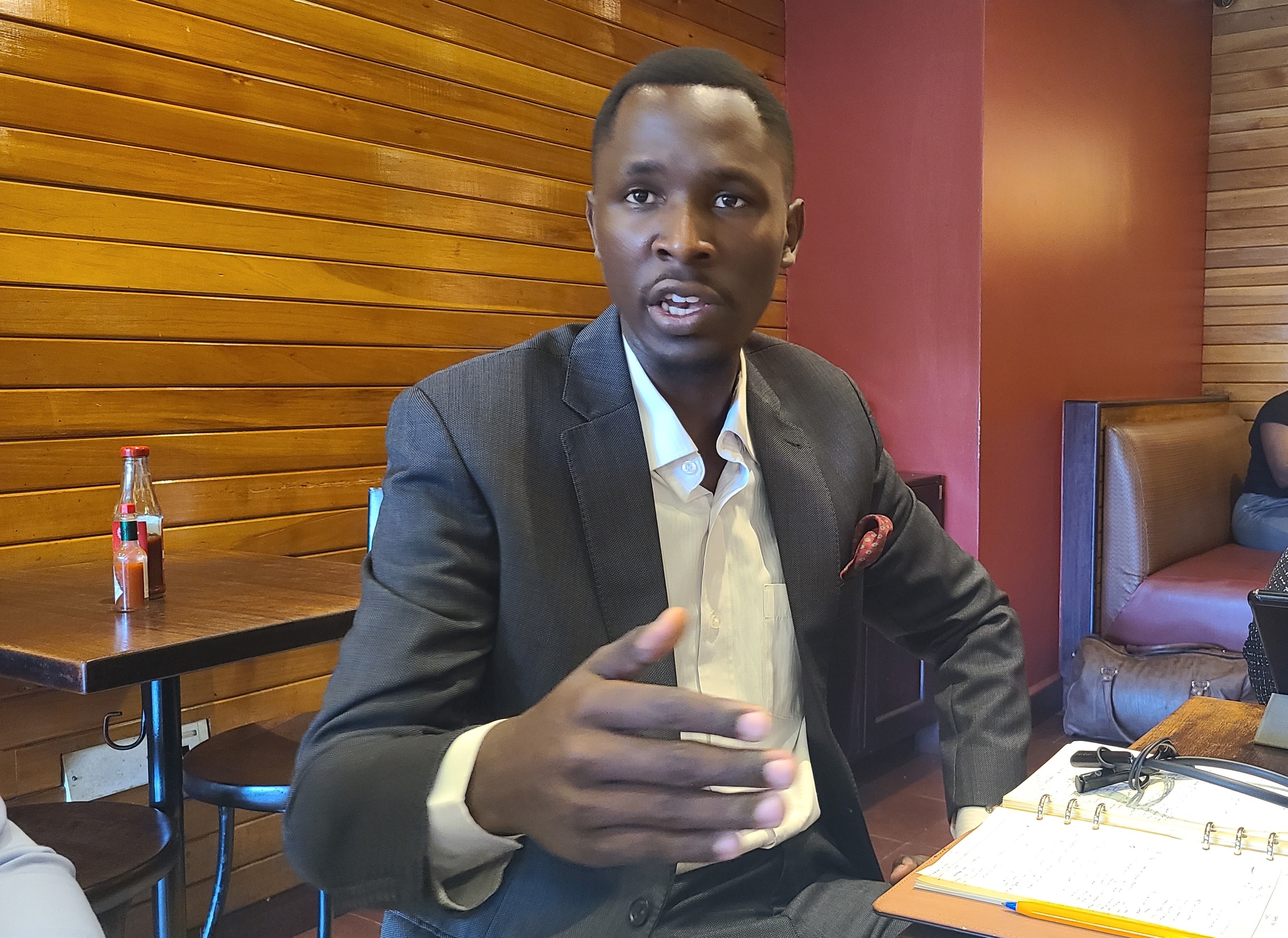
Speaking on Saturday at Mombasa Senator Mohamed Faki’s office in Ganjoni, where he and his mother—veteran journalist Dorothy Kweyu—had gone to express gratitude for the senator’s role in securing his release, Munyakho said he remained calm throughout his incarceration.
“I believe my going there had already been written by God. The incident was just a reason for what had been ordained to happen,” he said.
“He who opened the door for me to go there is the same one who had the key for me to leave. I left everything to Him.”
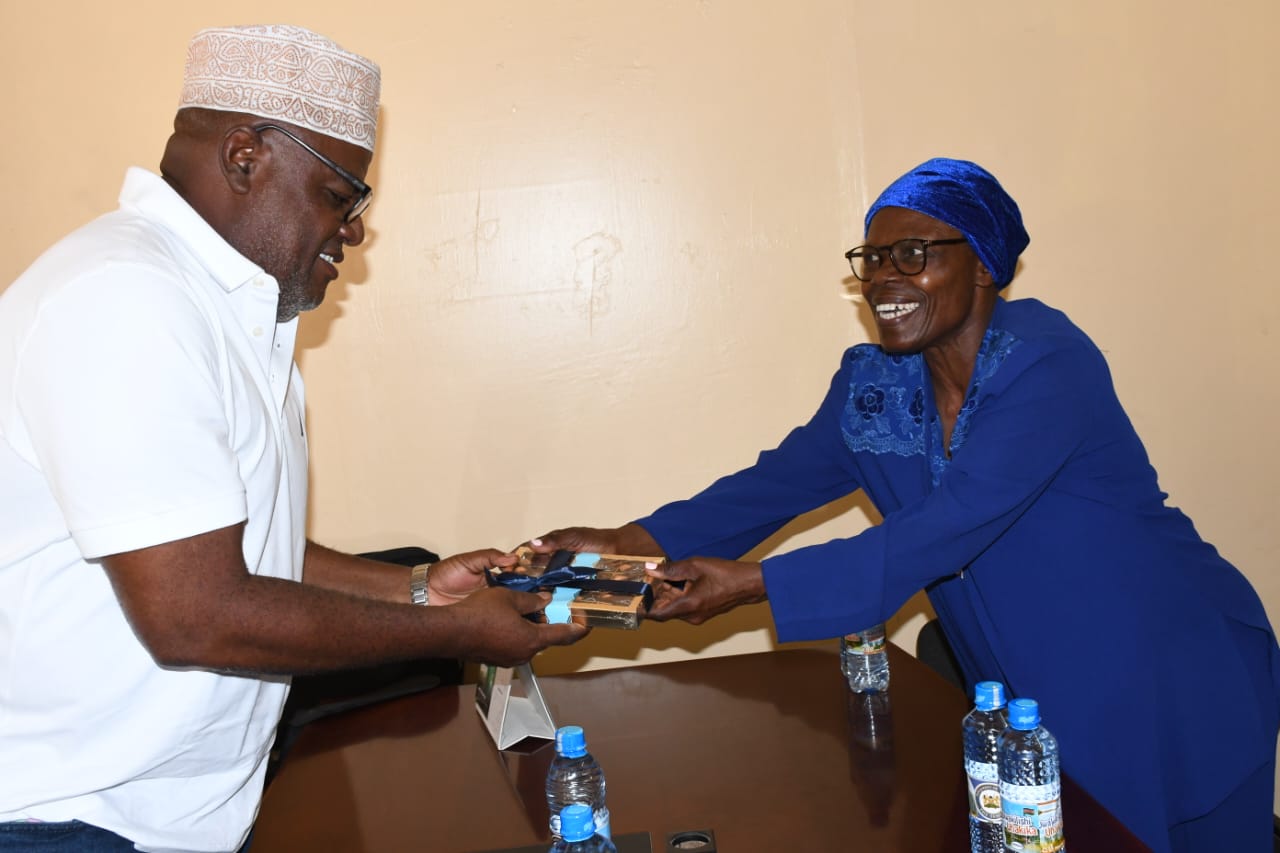
Munyakho and his mother presented Senator Faki with a box of dates and honey as a token of appreciation.
The 43-year-old was working in Saudi Arabia when he was convicted of murdering a Yemeni colleague in 2011.
What began as a five-year manslaughter sentence was upgraded to a murder conviction on appeal in 2014, putting him on death row. He narrowly escaped execution twice.
Under Islamic law, a death sentence can be commuted if the victim’s family accepts blood money (diyya). After prolonged negotiations, the family agreed to compensation.
Senator Faki said Munyakho would have been executed had Kenyans not rallied urgently to raise the required amount—$1 million (about Sh134 million).
“We appealed to Christians, Muslims and Kenyans of all faiths, but only Sh20 million had been raised. We were desperate,” Faki said. “The government and the World Muslim League stepped in and topped up the rest, we saved a life.”
Faki said many Kenyans across the Gulf and beyond are facing similar hardships—including unexplained deaths, incommunicado detentions and exploitation—and urged the government to tighten foreign worker protections.
Munyakho returned to Kenya on July 29 but says he has been dealing with numerous family tragedies since.
“We’ve lost so many relatives. At some point we had burials back-to-back,” Kweyu said.
“Those who are alive should be given their flowers. We came to Mombasa to say thank you.”
Senator Faki highlighted several other distressing cases of Kenyans suffering abroad—from workers jailed over misunderstandings to retirees denied benefits and even a Kenyan arrested in Ethiopia after mistakenly boarding the wrong connecting flight.
“Many Kenyans go abroad seeking greener pastures, only for it to turn into bitter herbs,” he said.
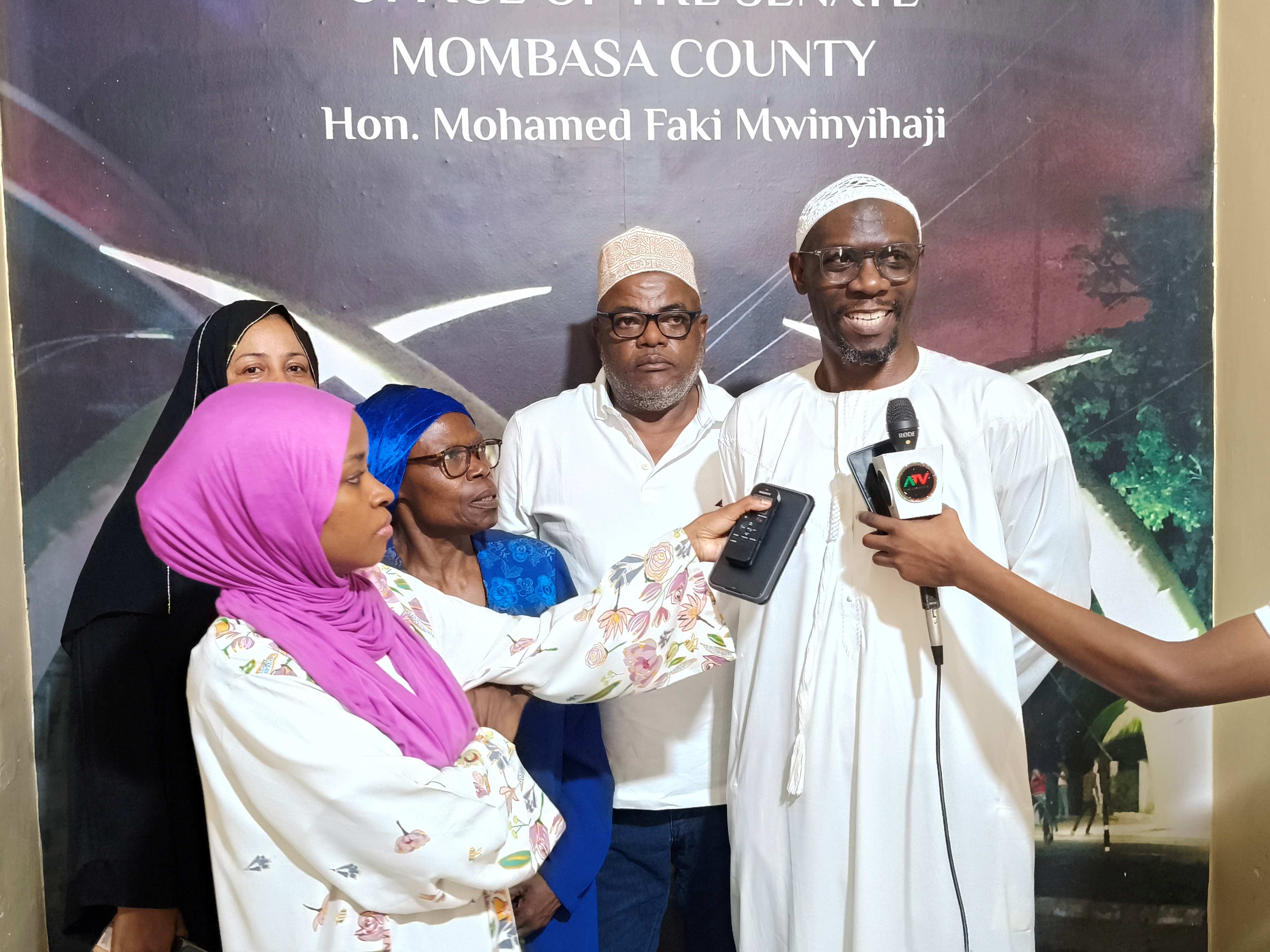
Dorothy Kweyu [in blue], Mombasa Senator Mohamed Faki and Stephen Abdulkarim Munyakho at Mombasa Senator Mohamed Faki’s office in Mombasa on Saturday / BRIAN OTIENO
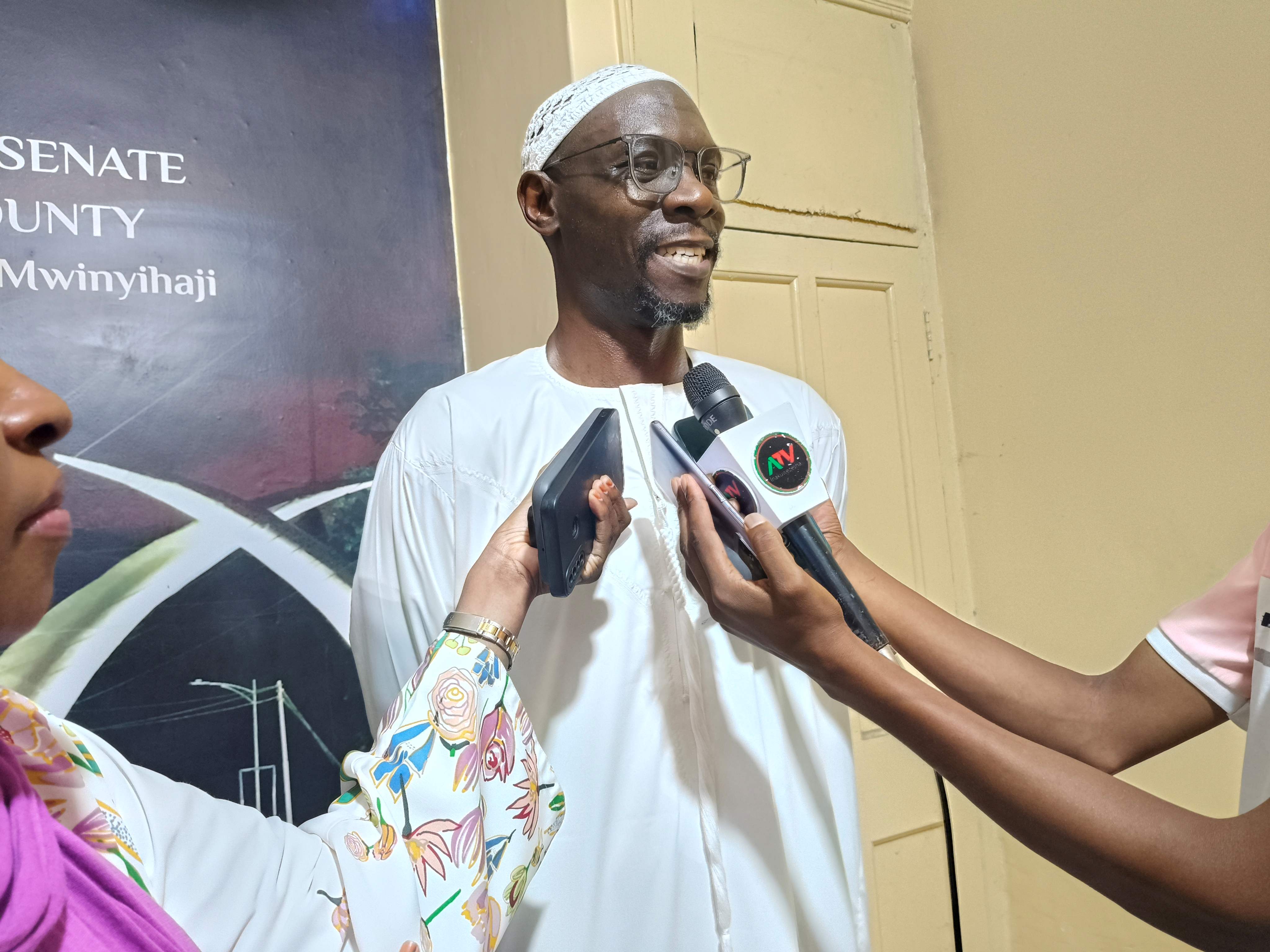
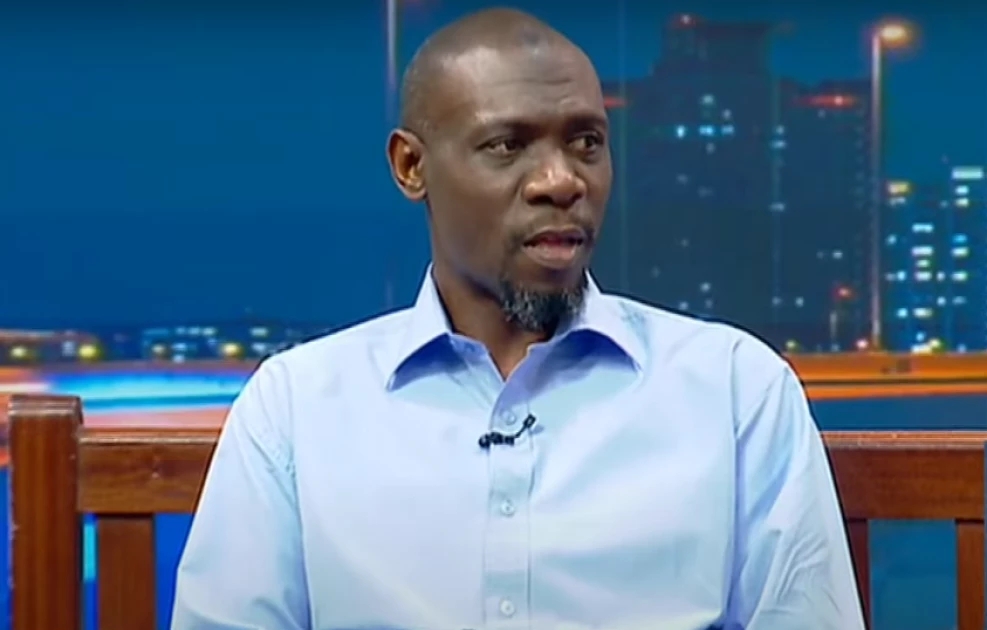
Stephen Munyakho at Mombasa Senator Mohamed Faki’s office in Mombasa on Saturday /
BRIAN OTIENO