For many Kenyans, Christmas is a season of joy, but for the
majority, it has become a stark reminder of widening inequality.
Janet Isaboke, a Nairobi hotel waitress, and Jacob, a county
government engineer, are just two of millions struggling to survive amid
shrinking salaries, soaring food prices and rising household debt. While
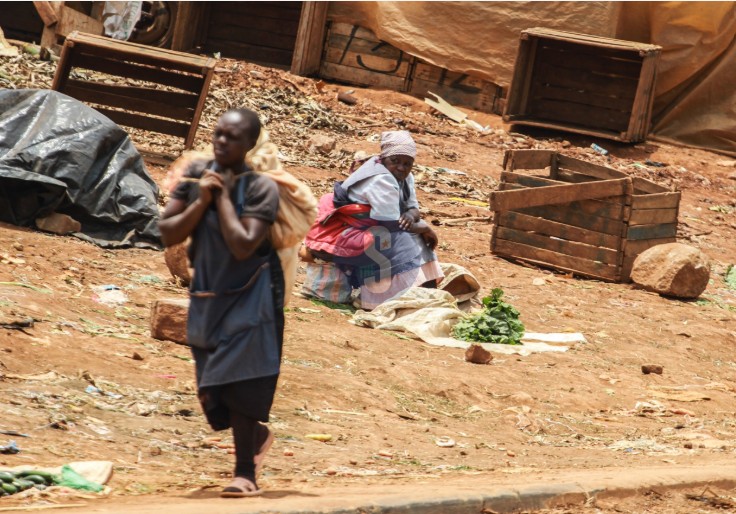
official data paints a picture of economic stability and moderate inflation, on
the ground, ordinary families are forced to borrow to afford a single meal.
Oxfam’s latest report is damning: food costs have risen 50 per cent
since 2020, household incomes have dropped nearly 40 per cent and debt has
ballooned to Sh1.3 trillion. Meanwhile, Kenya ranks 15th globally for extreme
poverty, with seven million more citizens joining the ranks of the desperately
poor.
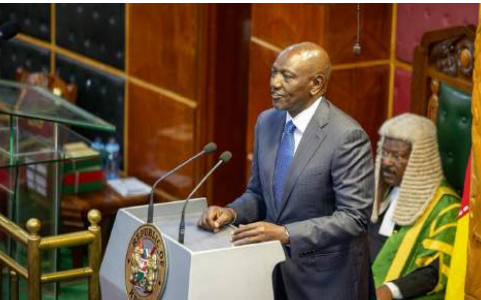
Economic growth of five per cent a year, heralded by government
officials, benefits only a tiny elite. The richest 125 Kenyans hold more wealth
than 42 million of their compatriots combined.
The festive season should be a time for celebration, yet
millions will mark it with anxiety over rent, loans and taxes. High statutory
deductions, pay cuts and layoffs have made Christmas a luxury rather than a
tradition.
The gap between official narratives and lived reality is stark.
Without meaningful redistribution, tax reforms and policies that prioritise the
livelihoods of ordinary Kenyans, economic growth will remain a paper promise
and festive joy a fleeting mirage.
This Christmas, policymakers should remember: an economy is not
merely measured in GDP figures, inflation rates, or debt statistics—it is
measured in the wellbeing of its people.
Until growth reaches the masses, Kenya’s holiday cheer will
remain dim and for millions, the season will bring little more than a heavier
burden.
“Freedom is not something that anybody can be given. Freedom
is something people take, and people are as free as they want to be.”
James Baldwin
The American writer, essayist and civil rights
activist died on December 1, 1987





![[PHOTOS] Kenyans feel the pinch as cost of living soars](https://cdn.radioafrica.digital/image/2025/09/7fad0050-ef76-4a35-9356-334d2eb3b993.jpg)