The
King is dead! Long live the King! After a formal declaration of the demise of
the enthroned royal is made, the
succession process begins in earnest.
The holder of the royalty’s privy purse
then discloses the contents of the
will. This is the practice within the dominions of monarchies. In constitutional democracies, this is not normally the case, as
succession is constitutionally laid out.
However,
Kenya today finds herself in unique and unchartered waters. A giant has fallen;
a king outside the throne has rested.
Fortunately, because of his enduring foresight, Raila Odinga detailed his end times.
He left a Will in which he declared that he should be
interred within 72 hours of his death. In
honouring the Will, the state and family settled Sunday, October 19 as the of
burial next to his mother’s grave.
This is to
accommodate the traditions of the Anglican Church of Kenya, Luo cultural traditions and state protocols. Mary Juma Odinga died
while Raila was in detention and the agony of
being denied a chance to bury his mother remained a pain throughout his life
and caused him great
anguish and trauma.
Born
80 years ago, Raila rose to become a pillar of Kenya’s nationhood, regional integration and a global peacemaker. He has
been the enigma of our politics and a pan-Africanist
par excellence.
His lifetime struggles were dedicated to justice, equity and
national cohesion. He strongly believed that these
tenets of governance were too noble to be entrusted to the good behaviour of
leaders.
He, therefore,
championed their enshrinement in the supreme statutes devoted to constitutional institutions. He was sure these values could only be protected
and enjoyed through good governance.
And these could only be best secured by constitutional guarantees.
These
institutions have been
granted immense powers to undertake and discharge their duties effectively.
However, doubts have been cast
as to whether they have done their duty. To a large extent, the opinion is that
the institutions have been undermined.
However, it is not in doubt that Jakom devoted the last drop of his energy to defending the separation of powers and
responsibilities among these institutions.
This sometimes put him on a collision path with his allies in the
Parliament and the Executive arm of the government,
but being the principled ideologue, he stood his ground. He always chastised
his allies who refused
the basic fabric of good governance practices. In the same vein he never
hesitated to call out leaders of
key governance institutions who deliberately chose to circumvent the will of
the people by manipulating
the law.
When
there was a stalemate in early 2010 regarding the type of executive structure
to be designed in the new constitution,
Raila chose to forgo the parliamentary system. He instead went along with those who pushed for the presidential system of executive governance.
He proudly did this to secure what had been
closest to his heart: devolution. He had been a consistent crusader for the
decentralisation of power from
the centre to grassroots.
His
model differed starkly from that of the defunct district focus for rural development contained in Sessional Paper No. 1 of 1985
under the tutelage of Dr Robert Ouko, the
Minister for Foreign Affairs. Raila had envisaged a governance structure that
dispersed power, responsibilities
and oversight at every stage of authority.
At the country level, there would be
the national and county
governments, both independent of and complementary to each other. The two
levels of government are expected to serve
the interests and at the will of the public. The national government is to share the tax revenue equitably with the 47 counties.
The
Executive arm of the national and county
governments should devote proportionate amounts of resources for development
and services to the citizens. However,
this has sadly not been achieved. The county governments continue to complain of sabotage by the national government, thereby
affecting their efficiency in service delivery.
The county governments themselves have been fingered for corruption and
ineptitude. The citizens
have thus suffered in the hands of both levels of government.
On
another front Raila believed that a nation will get the leaders it deserves and
for that, he always championed
a conscientious society. This was only possible through rigorous and continuous
civic and political education. During
his stint as the premier, he lobbied for local and international support for massive education of the public on their civic rights and
duties. He was so committed to this cause that he
firmly
believed only impartial players would undertake this mandate successfully. In
this regard, he pushed for
the active and central participation of the civil society in offering civic
education. He also led the
legislative entrenchment of the Political Parties’ Fund. This legislation
ensured that every political party was
allocated resources from the Consolidated Fund in proportion to their electoral
strength.
Raila
also demonstrated that an enlightened citizenry would be capable of electing
political leaders committed
to serving the public good. However, an uninformed citizenry is wont to be misinformed and exploited by society’s elite for the sake of
political expediency. He thus viewed civil
society and political parties as key planks in sustaining democracy. He had pushed for a parliamentary system under multiparty
democracy. Under this system, he understood,
and rightly so, that the roles of the executive arm of government and those of
the state are separate
and distinct.
He
had reservations about the presidential system that fused the functions of the state and the executive arm. In the parliamentary system, there
is the institution of the head
of state with powers and authority different from those of the executive head,
ordinarily a prime minster.
Our current challenges with the overwhelming powers of the presidency have come
to prove him right. If the country had
adopted a parliamentary system, then the executive would have been dispersed with and authority and shared between the head of
state and executive arm of government.
As
a consequence, this would provide the necessary checks and balances in the
exercise of power and authority.
In the same plan, the legislature would be two tiered: the National Assembly
and the Senate.
The Senate
was envisaged to be the upper house but because the drafters were MPs, out of
greed, they created an upside-down Parliament. The outcome eventually defeated the intention by making the
Senate subservient to the National Assembly.
It is only at the Judiciary where appropriate internal checks and balances were
entrenched.
The
Supreme Court was established and this expanded the justice corridor by
providing additional avenues for redress. In the overall, Raila wished for a
Judiciary that is independent and capable of rendering
unabridged justice and a presidency that respected the will of the people.
The
greatest disappointment has been in the
legislature where MPs have arrogated and legalised executive duties to themselves and abandoned their primary roles of representation,
oversight and legislation. The appetite for
resources has compromised the integrity of the MPs to the detriment of
transparency and accountability.

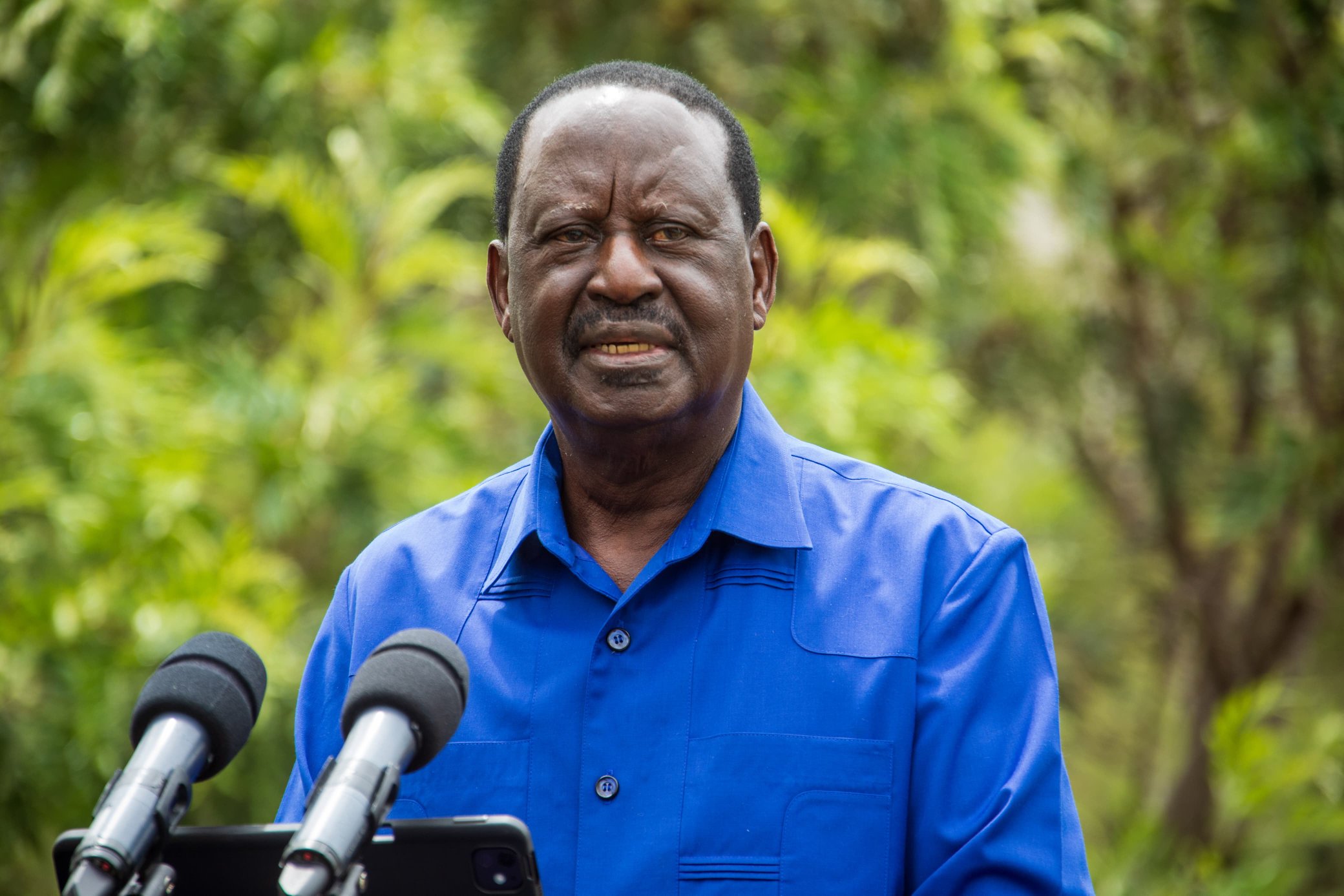
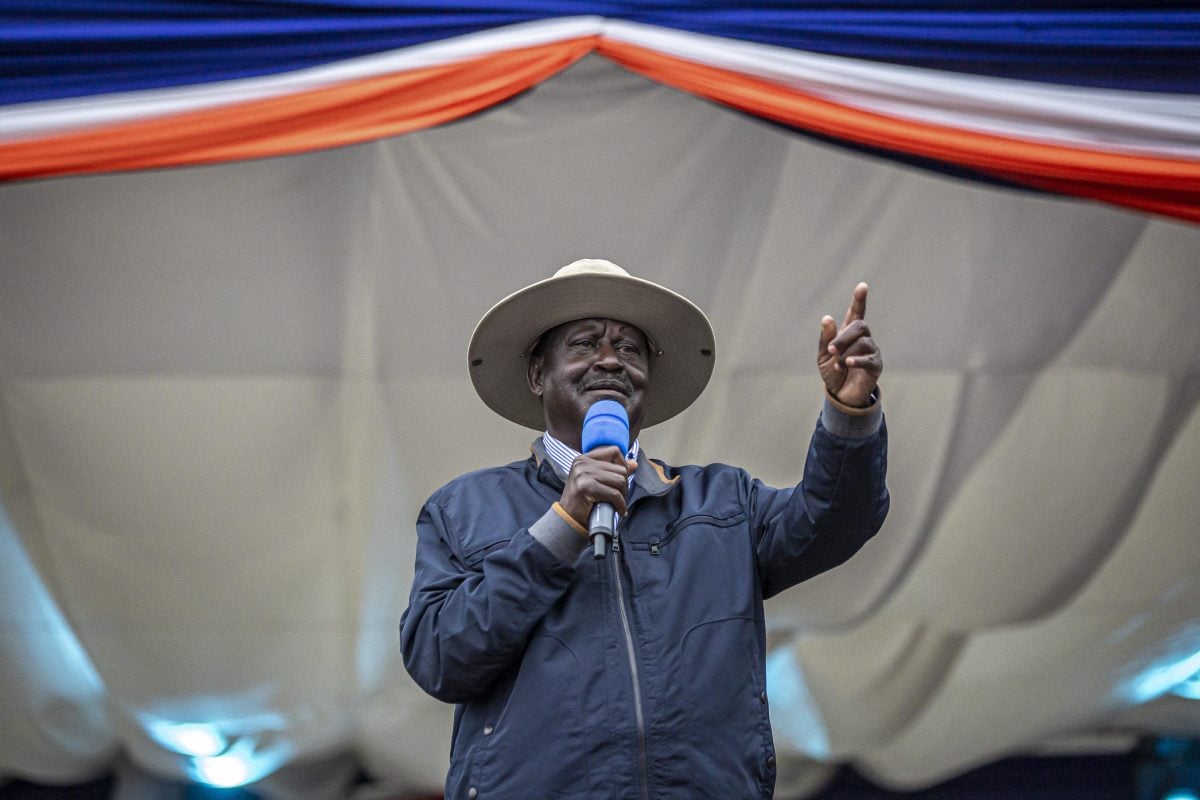 Former Prime Minister Raila Odinga./FILE