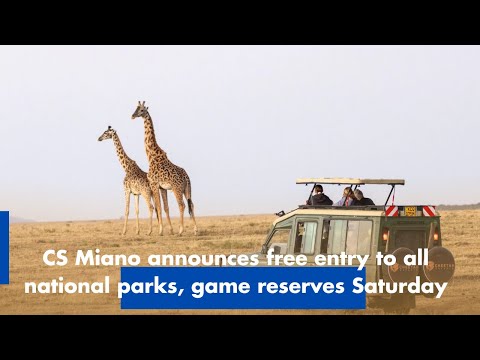
CS Miano announces free entry to all national parks, game reserves Saturday
10mon agoadminvideo
The veterinary team also discovered a fractured upper right canine tooth located below the gum line.


Audio By Vocalize
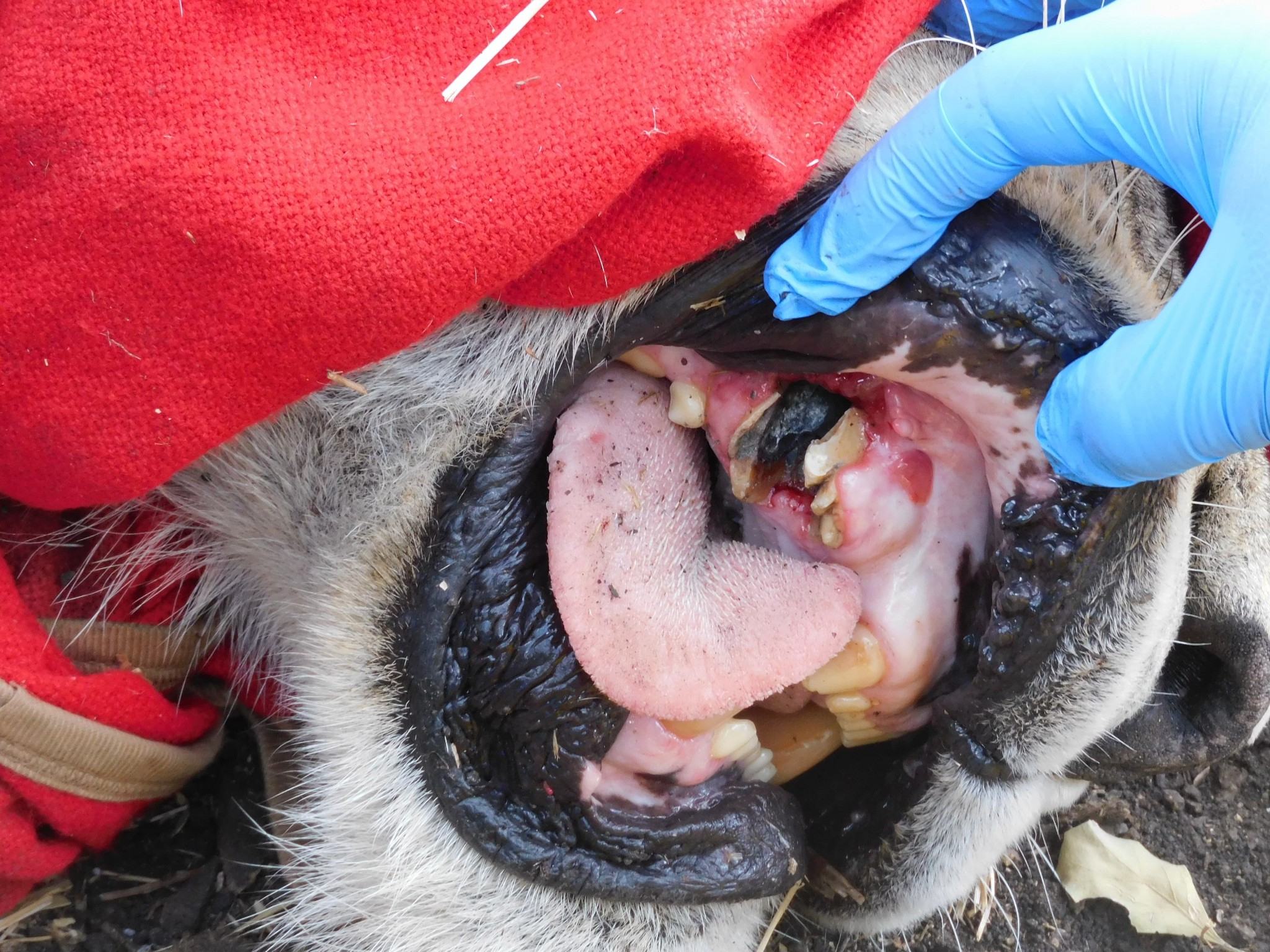
Veterinary experts from the Kenya Wildlife Service (KWS) have successfully attended to an adult lion in Meru National Park after it developed limp and dental complications.
The intervention was carried out by the KWS Meru Mobile Veterinary Unit in collaboration with the Born Free Kenya team.
According to KWS in a social media post on Wednesday, the examination revealed that the lion had previously sustained a tibiofibular joint fracture.
“Examination revealed a previously sustained tibiofibular joint fracture, likely incurred during a hunting attempt,” KWS said.
The conservation body noted that while the injury has since healed, it left the lion with a permanent limp.
Furthermore, the veterinary team also discovered a fractured upper right canine tooth located below the gum line.
The condition, suspected to involve ankylosis, they said, made extraction complicated.
The lion’s oral cavity had accumulated food debris, which was carefully flushed out.
The team therefore irrigated the cavity and administered a comprehensive supportive treatment, which included antibiotics, anti-inflammatories, and metabolic stimulators to aid the lion’s recovery.
Despite the challenges, KWS noted that the prognosis for the animal is positive.
“The prognosis for full recovery is fair, and the lion will be closely monitored with a possible follow-up intervention if necessary,” KWS confirmed.
The collaborative effort highlights the importance of partnerships in wildlife conservation.
Both KWS and Born Free Kenya emphasised that such interventions not only safeguard the well-being of individual animals but also protect the wider ecosystem in which they play a critical role.
Meru National Park, one of Kenya’s key conservation
landscapes, is home to a significant lion population.
Through medical intervention and ongoing monitoring, KWS confirmed their efforts to give the injured lion the best possible chance at recovery.
Consequently, they reaffirmed their commitment to protecting Kenya’s wildlife heritage under the theme of #PartnershipsforConservation and called on the public to continue supporting conservation efforts.