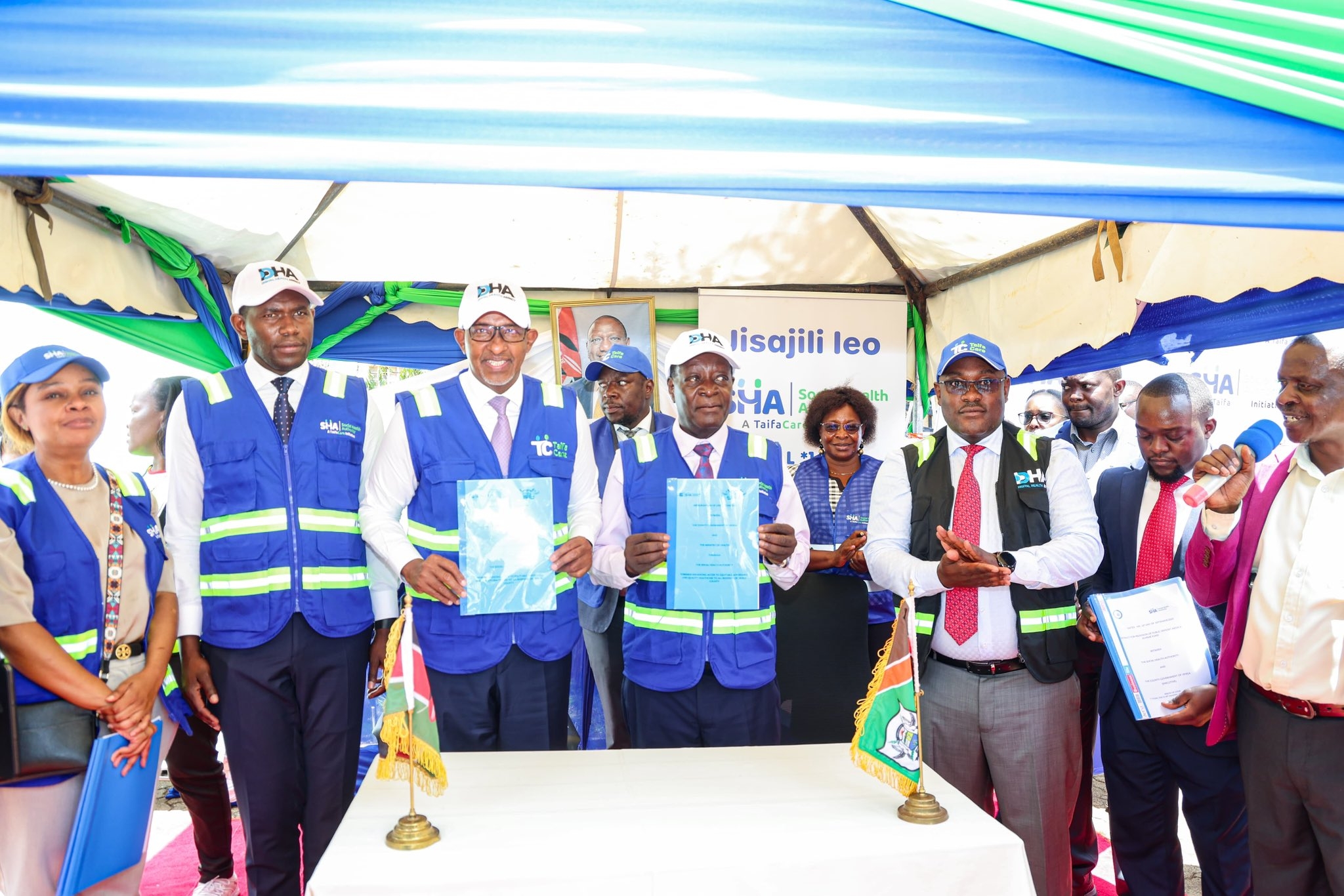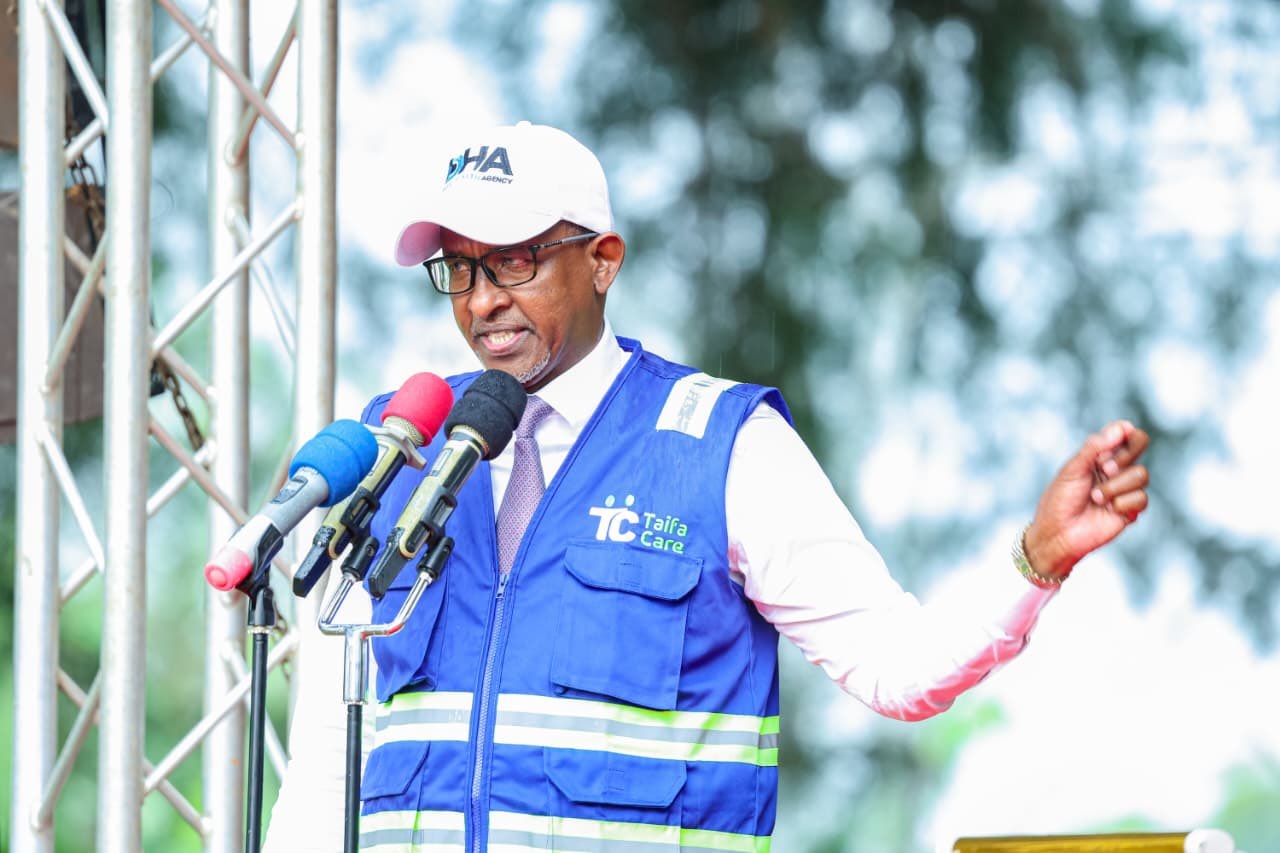


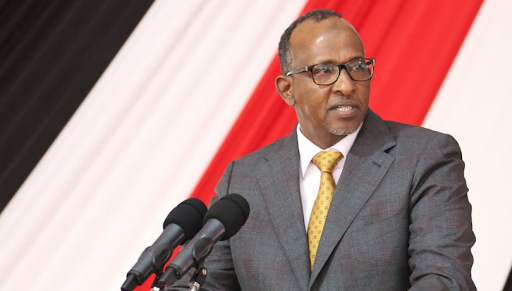
 Health CS Aden Duale/FILE
The Ministry of Health has released a gazette notice listing 36 medical services currently not available in Kenya.
The notice attributes the gaps to a combination of factors, including inadequate infrastructure, a shortage of specialists, and the absence of legal or regulatory frameworks.
In the notice dated September 18, 2025, Health Cabinet Secretary Aden Duale said the list was prepared in consultation with several relevant stakeholders, in line with the Social Health Insurance Regulations.
"Pursuant to the provisions of Regulation 39 (1) (b) and Regulation 49 (1) and (2) of the Social Health Insurance Regulations, 2024, the CS for Health, in consultation with the Social Health Authority and on the recommendation of the Benefits Package and Tariffs Advisory Panel (BPTAP), gives notice to the public of the list of healthcare services not available in Kenya,” the notice read.
According to the Ministry, many of the unavailable services involve highly specialised joint and limb replacement procedures.
These include wrist, metacarpal and ankle joint arthroplasty as well as whole, proximal and distal femoral replacements and proximal tibial replacement.
The notice explained that Kenya lacks dedicated joint replacement centres, mega-prostheses, advanced implants and adequate training to perform these surgeries.
The use of allografts is also not available because the country lacks a national bone bank.
Several complex transplant procedures and paediatric services are also missing from Kenya’s healthcare system.
These include paediatric liver and kidney transplants, bone marrow transplants, and laryngeal transplants.
The Ministry attributed this to underdeveloped paediatric nephrology services, lack of dedicated transplant units and absence of a national legal framework to govern some forms of transplantation, such as the larynx.
The gazette notice further highlighted a significant gap in intrauterine and foetal interventions.
Procedures such as intrauterine blood transfusion, shunt placement for bladder outlet obstruction, vesicocentesis, thoracentesis, paracentesis, fetoscopy, amniotic band ligation, laser ablation, amnioreduction, amnioinfusion, foetal reduction, cord occlusion and cordocentesis are not available.
"This is because Kenya has no foetal therapy centres, no interventional radiology capacity in maternal-foetal settings and lacks the highly trained specialists and equipment needed to carry out such delicate procedures," the notice further stated.
Advanced cancer treatment and diagnostic services also feature prominently on the list.
The Ministry said Peptide Receptor Radionuclide Therapy, such as Lutetium-177, DOTA-TATE scans, Fibroblast Activation Protein Inhibitor PET/CT imaging, microwave ablation of metastatic tumours, Yttrium-90 radioembolization and Chimeric Antigen Receptor T-cell therapy are not offered in Kenya.
It cited the absence of licensed radiopharmaceutical handling units, specialist nuclear medicine infrastructure and regulatory pathways for cutting-edge immunotherapies such as bispecific T-cell engagers.
Specialised neurological and regenerative treatments are also unavailable.
Sacral neuromodulation for urinary and faecal incontinence, surgical management of birth-related brachial plexus injuries, photopheresis, nerve ablation therapy, neural regenerative therapy and proton therapy are not offered.
According to the notice, this is because of a lack of neurophysiology equipment, trained personnel and the high cost of acquiring advanced technologies such as proton beam facilities.