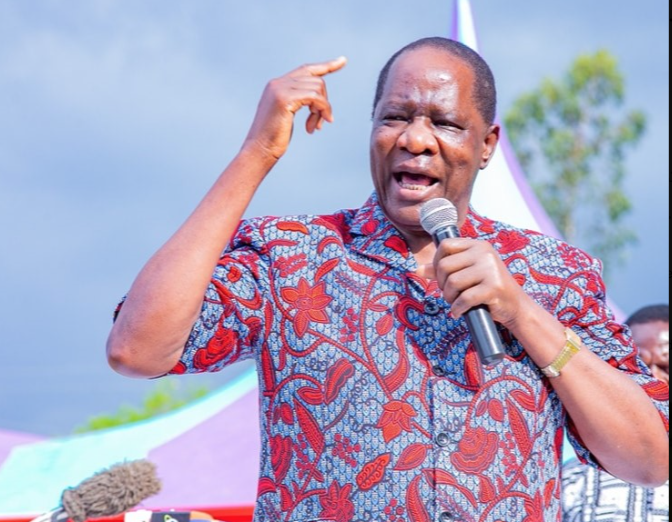
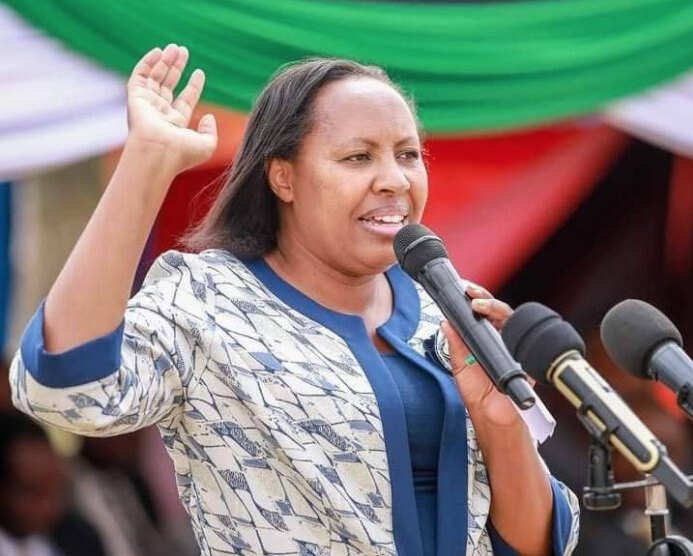
Many villagers in Migori who attended his political rallies
or social gatherings would often be left in stitches as he infused humour into
his addresses to pass serious messages.
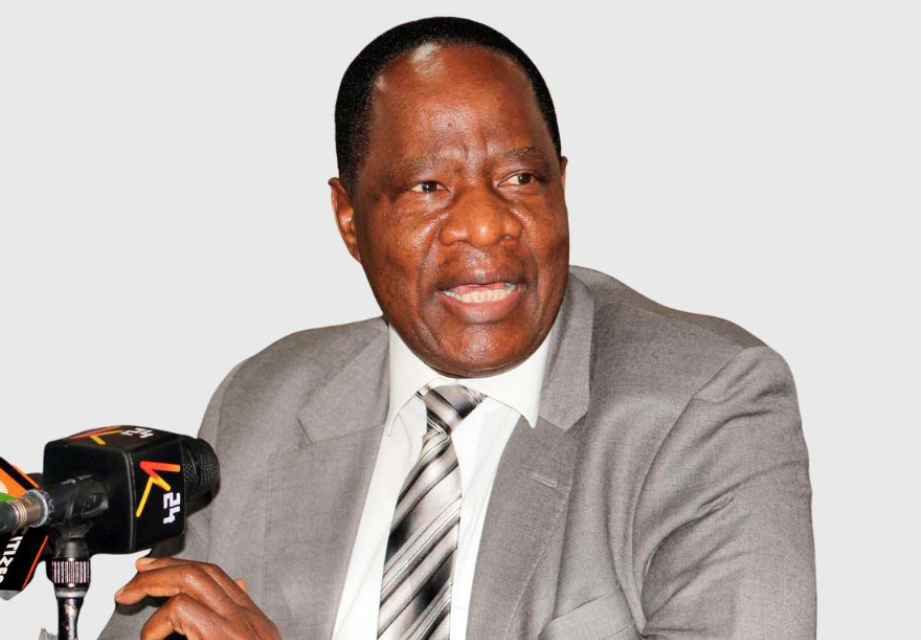
The long-serving politician and minister died on Sunday,
aged 80.
Deputy Chief of Staff Eliud Owalo eulogised Otieno as an exceptionally brilliant and composed
leader—articulate, visionary, and a shrewd businessman with an unwavering
passion for Kenya’s socio-economic development.
“His passing has robbed our
nation of one of the most brilliant minds of our generation,” he said.
If you wanted to get Otieno talking endlessly in close
quarters, just bring up a topic on insurance and saving.
For example, during a debate in Parliament on April 30,
2014, on insurance law reforms, he caught the attention of the House while
explaining why, if your child died and you had a life policy, the state should
not force the company to pay you more.
His point was that an injury that is incapacitating should
attract more compensation than a young life lost.
“… if we put a higher figure, what are we trying to aim at?
A precedent will be set and injuries will be classified by the compensation
committees. Similarly, if we say death, if you put a very high maximum, the
temptation is to go for it from day one,” he said.
“If we put a lower maximum as the Chairperson of the
Departmental Committee was proposing, we only remain to review the standards
nationally and through the Statute Law (Miscellaneous Amendments) these figures
will be increasing periodically as we go.”
He went on, “The temptation of a high maximum of Sh5 million from the
current one of Sh1 million, the risk of depleting the funds will be too much. I
am, therefore, pleading that in terms of structuring compensation—these
compensations will be compared with others, say, in the motor vehicle industry
where we have gone the direction of fixed amounts.”
Otieno’s logic was that the law should not make one type of
injury leading to death or permanent disability stand too high in the scales,
as that would automatically raise what the courts consider in similar cases.
His political journey began in 1988 when he was first
elected as the Member of Parliament for Rongo constituency. His entry into
high-profile governance came swiftly as he served as Minister for
Industrialisation from 1988 to 1991.
In the same year, he transitioned to other roles including
Minister of Labour and Human Resource Development, and then Minister of Transport
from 1991 until 1996. These ministerial appointments placed him at the heart of
Kenya's industrial, labour, and transport sectors during a pivotal period in
the nation’s development.
Otieno’s public service tenure is noted for persistent
efforts in public sector reforms, including pushing for digitization and
improving bureaucratic efficiency. His deep knowledge of the civil service and
commitment to public ethics earned him a reputation as a steward of government
modernisation, particularly under the Kibaki administration.
Beyond politics, Otieno's life was marked by personal
tragedy when he lost his son in 2008 in an accident in Canada, where he was pursuing university studies.
INSTANT ANALYSIS
The breadth of Dalmas Otieno's career—from industrial and
labor ministry roles to public service modernisation and efforts to reshape
regional political dynamics—marks him as a significant figure in Kenya’s
political history.