According to a proposed regulations, the DPP could be kicked out of office for dropping high-profile cases without a proper explanation to Kenyans.
The proposal spearheaded by the Public Service Commission said the DPP could be removed from office for among others, failing to account for his decisions or actions.
The Public Service Commission (Removal of the Director of Public Prosecutions) Regulations, 2024, states that any person may petition the PSC over actions taken by the DPP.
“The commission shall, pursuant to the provisions of Article 158(1) of the Constitution, consider the petitions grounds of non-compliance with Chapter Six of the Constitution and the general Leadership and Integrity Code,” the regulations read.
The office has been under fire for dropping several cases, amid allegations the moves were politically motivated.
PSC said the regulations will provide a framework for hearing petitions, seeking the removal of a DPP.
In a landmark ruling recently, a judge held that the DPP cannot whimsically seek to withdraw matters before court.
“The DPP having supposedly based his decision to prosecute on findings and evidence from prior investigations, is bound by that decision and cannot with caprice or whim suddenly just disown his decision and drop the charges,” anti-corruption judge Nixon Sifuna said.
Removal of the DPP from office has never been a walk in the park.
Five petitions before the PSC that sought the removal of former DPP Noordin Haji collapsed.
Haji’s lawyers said PSC did not have the authority to hear and determine petitions.
Ostensibly stung by the assertions, the commission seeks to unlock the legal hurdle using the regulations.
Kenyans have up to April 26 to give their views on the proposed regulations, PSC said in a public notice on Tuesday.
The rules list other infractions to include dishonesty in the execution of public duty and DPP’s misconduct in professional and personal life.
A DPP may be petitioned over acts of corruption, lack of objectivity and impartiality, impropriety and failure to disclose a conflict of interest.
If approved, a DPP could also be removed for lack of intellectual capacity, poor legal judgement, lack of diligence, lack of substantive knowledge of law, lack of interpersonal skills and inability to work well with people.
The new rules list absenteeism, being intoxicated during work hours, neglect of duty and use of abusive language towards public officers or members of the public as other grounds for which a DPP could be removed.
An arrest could also cause the removal of a DPP as well as committing or being suspended of having committed a criminal offence.
On receiving a petition, the rules provide that PSC would process, hear and determine the matter within 90 days from the date of receipt.
“Where the commission considers a petition and is satisfied that it discloses the existence of a ground for removal of the director under Article 158(1) of the Constitution, the commission shall send the petition to the President,” the rules read.
The office of the DPP has lately come under sharp scrutiny following the collapse of many cases, some after gobbling millions in the investigative phases.
Former Treasury CS Henry Rotich’s Arror and Kimwarer dams case is among high-profile cases that have aborted at the courts. He was swiftly handed a state role.
In her ruling on the matter, Justice Eunice Nyutu indicted the prosecution team for bungling the case, citing a well-choreographed strategy to undermine the case.
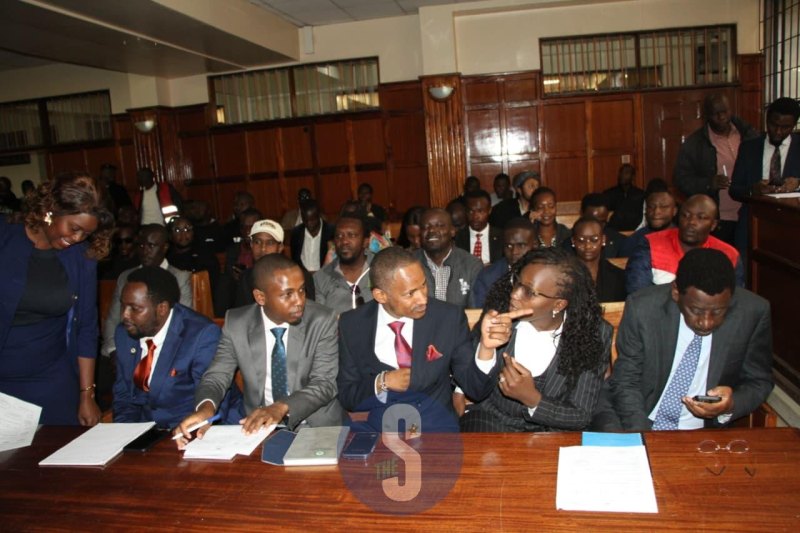
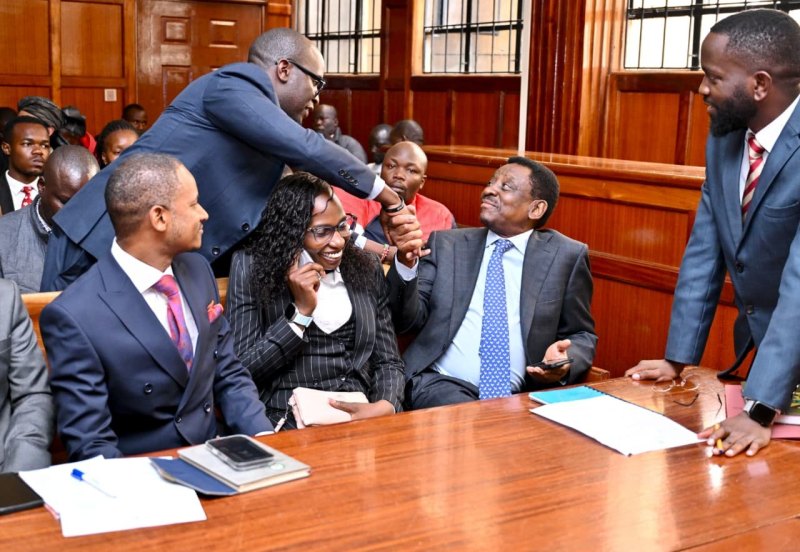
Former Nairobi Governor Mike Sonko also got off the hook in 19 counts of graft after the prosecution failed to provide evidence of loss of Sh357 million at Nairobi county.
Since taking over from Haji last September, DPP Renson Ingonga has approved withdrawal of cases worth Sh100 billion.
Sonko, Rotich, KRA chairman Antony Mwaura, former KPC boss Charles Tanui and former Geothermal Development Company MD Silas Simiyu are among the big names that got a reprieve.
Before changing roles, Haji withdrew the Sh1.1 billion graft charges against former National Health Insurance Fund chief executive office Geoffrey Mwangi.
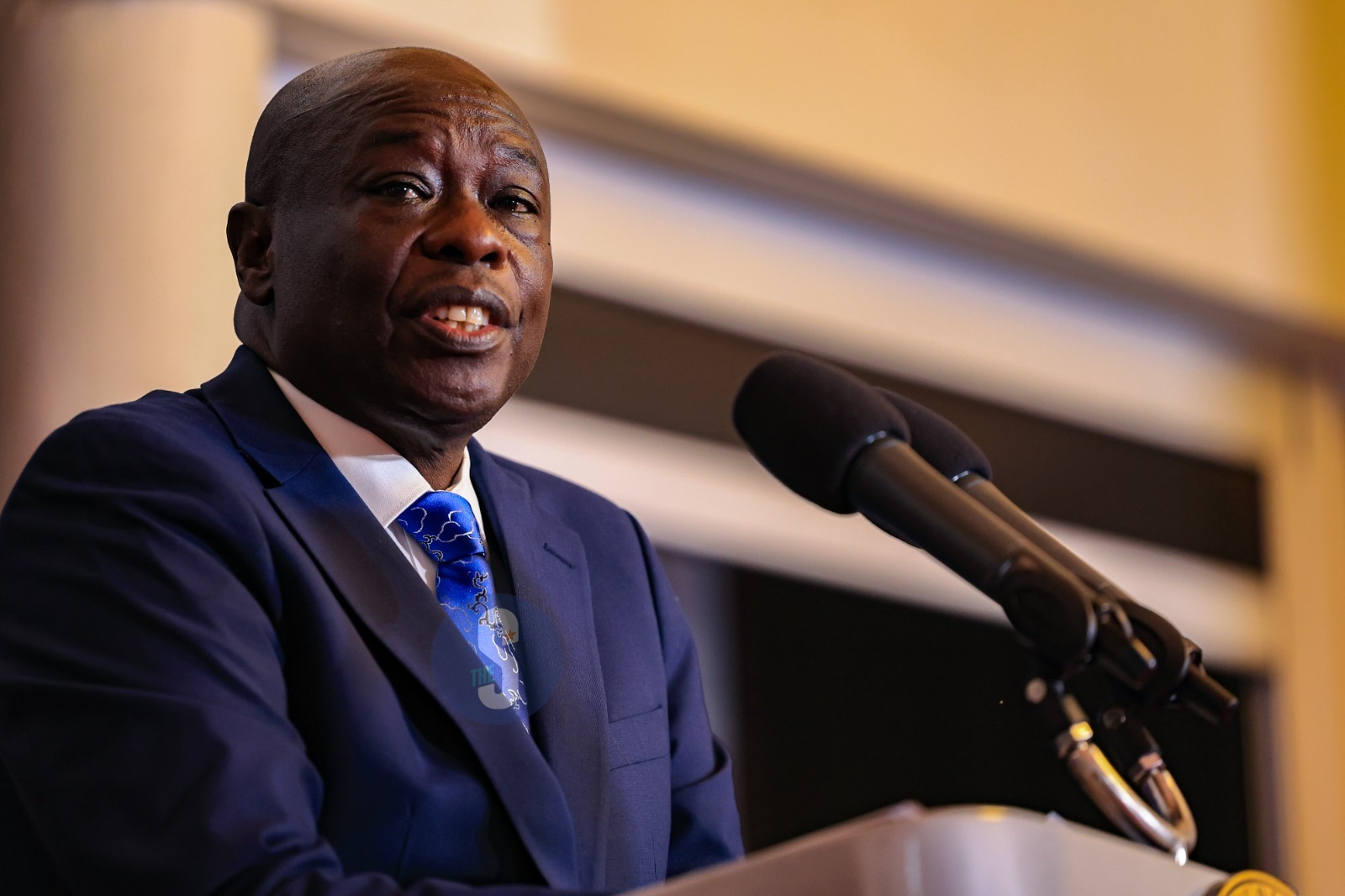
Cases that involved Deputy President Rigathi Gachagua, Cabinet secretaries Mithika Linturi (Agriculture) and Aisha Jumwa (Gender and Public Service) and former Kenya Power managing directors Ken Tarus and Ben Chumo were also aborted.
Others who got reprieve are Communications Authority of Kenya Board chairperson Mary Wambui Mungai, Kenya Pipeline Company managing director Joe Sang, businessmen Humphrey Kariuki and Joseph Karanja (Keroche).
The move led to an upsurge of petitions to remove Haji as DPP.
Lobby groups have made similar calls in respect of the current office holder–Ingonga.
In the current law, a DPP is removed from office by a recommendation of a tribunal reporting to the President.
It starts with a petition to the PSC setting out the charges constituting the grounds for the removal.
The PSC then considers the petition and if satisfied there is sufficient ground, sends it to the President.
The President on receipt and examination of the petition suspends the DPP within 14 days and appoint a tribunal to look into the matter.
The tribunal shall consist of four judges or persons who have held office as judge of a superior court, an advocate of at least 15 years nominated by LSK and two persons with experience in public affairs.
The team then inquires into the matter and makes recommendations to the President.
At the height of the clamour for the Building Bridges Initiative (BBI), the proponents held that the office was exposed to the whims of a sitting president.
BBI sought to include the office of the DPP to be among the Chapter 15 Commissions and Independent institutions.
The qualification for appointment as DPP was to be enhanced from High Court judge to that of a judge of the Court of Appeal.
Had the amendment passed, the DPP would have been removed by petitioning the National Assembly and not the PSC.