The World Health Organization-Unicef study shows that 55 per cent of the facilities miss the basic requirements for infection prevention and control set by the WHO in 2019.
The situation is better in the county and national referral hospitals but unbearable as you move from Level 4 facilities going downwards.
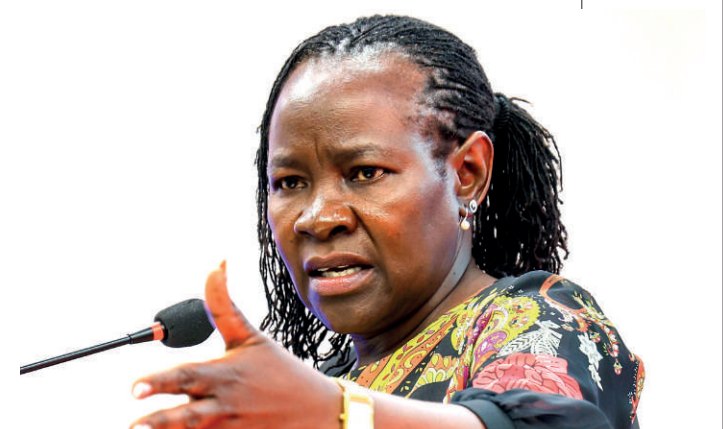
“Hygiene facilities and practices in health care settings are non-negotiable,” WHO director in the department of environment, climate change and health, Dr Maria Neira, said.
The Joint Monitoring Programme report by WHO and Unicef is titled “Progress on WASH in health care facilities 2000–2021: special focus on WASH and infection prevention and control.”
It shows only 45 per cent of all health care facilities in Kenya meet basic hygiene standards.
To meet the criteria for a basic hygiene service, health care facilities must have functional hand hygiene facilities (with water and soap or alcohol-based rub) available at points of care, and within five metres of the toilet.
A point of care is defined as the place where three elements come together; the patient, the health care worker, and care or treatment involving contact with the patient or their surroundings.
Health care facilities that have hand hygiene facilities either at points of care or toilets, but not both, are classed as having limited service, and those with no facilities at all are classed as having no service.
About 44 per cent of Kenyan facilities are classed as having a limited service while 11 per cent have no hygiene service at all, including water for patients and health workers to wash hands after visiting toilets or latrines.
“Hygiene in health care facilities cannot be secured without increasing investments in basic measures, which include safe water, clean toilets, and safely managed health care waste,” Neira said.
The situation is better in private facilities.
For instance, while basic hygiene coverage stands at 35 per cent in public facilities, 57 per cent of all private facilities meet the standards.
Numerous studies have confirmed the important role the contaminated hands of health care workers and patients play in pathogen transmission in health care facilities.
The WHO said it renewed attention to hand hygiene in light of the Ebola epidemic and the subsequent Covid-19 global pandemic.
The study does not look at Kenya alone. It contains data from 40 countries representing 35 per cent of the world’s population.
Kenya appears to do better than most poor countries.
Globally, half of health care facilities worldwide lack basic hygiene services with water and soap or alcohol-based hand rub where patients receive care and at toilets in these facilities.
Around 3.85 billion people use these facilities, putting them at greater risk of infection, including 688 million people who receive care at facilities with no hygiene services at all, WHO said.
“If health care providers don’t have access to a hygiene service, patients don’t have a health care facility,” Unicef director of WASH and climate, environment, energy, and disaster risk reduction, Kelly Ann Naylor said.
“Hospitals and clinics without safe water and basic hygiene and sanitation services are a potential death trap for pregnant mothers, newborns, and children. Every year, around 670 000 newborns lose their lives to sepsis. This is a travesty – even more so as their deaths are preventable,” she said.
The report says contaminated hands and environments play a significant role in pathogen transmission in health care facilities and the spread of antimicrobial resistance.
Interventions to increase access to handwashing with water and soap and environmental cleaning form the cornerstone of infection prevention and control programmes and are crucial to providing quality care, particularly for safe childbirth.
Edited by Kiilu Damaris
“WATCH: The latest videos from the Star”