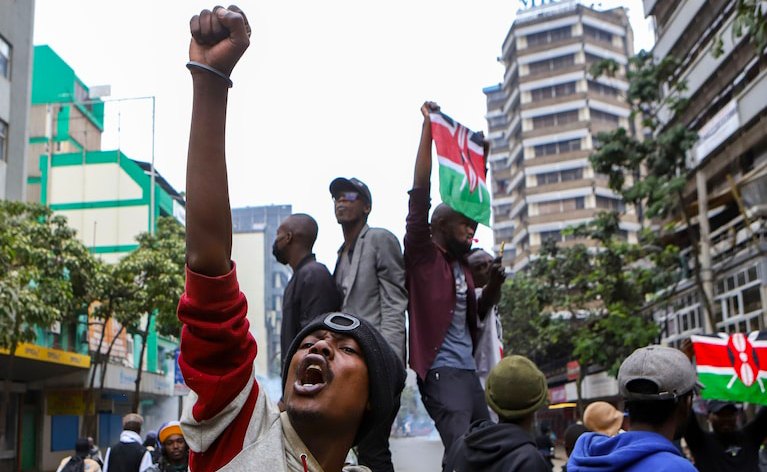
 The June 25, 2024 protests resulted in dozens of deaths and hundreds of injuries, particularly in Nairobi. /FILE
The government is facing a critical test of its commitment to constitutional freedoms and the protection of human life as a section of Kenyans prepares to mark the second anniversary of the Occupy Parliament protests that left at least 60 people dead.
The planned Thursday march is intended to commemorate the June 25, 2024 protests against the Finance Bill, 2024, which turned deadly after thousands of youth-led demonstrators breached security barriers, stormed Parliament and partly set sections of the building ablaze as lawmakers voted to pass the controversial legislation.
What began as a largely youth-driven demonstration against proposed tax measures quickly descended into violent confrontations when police and security officers opened fire on crowds.
The clashes resulted in dozens of deaths and hundreds of injuries, particularly in Nairobi. The events sparked widespread public outrage and international attention, ultimately forcing President William Ruto to withdraw the Bill a day later.
Two years on, families of those killed, youth activists, civil society organisations and a section of opposition leaders are planning a memorial march to honour the victims and renew calls for accountability and justice.
Prominent legal and civil rights figures, including former Chief Justice Willy Mutunga and senior counsels Martha Karua and Gitobu Imanyara, have played a central role in organising the event, including formally notifying the police as required by law.
Opposition leaders, notably those allied to the Linda Mwananchi movement led by figures such as Siaya Governor James Orengo, have also thrown their weight behind the event.
Organisers plan to march to Parliament, lay flowers in memory of those who died and press for justice for victims and their families.
The organisers have also called for a nationwide stay-at-home boycott as part of a three-day campaign pushing for broader governance reforms.
As the anniversary approaches, however, the planned memorial has evolved into a delicate balancing act for the state, which must uphold the constitutional rights to picket, demonstrate and assemble while at the same time ensuring public order and preventing a repeat of the chaos witnessed in 2024.
Ahead of the day, the government and Kenya Kwanza-allied leaders have spoken strongly against the march, accusing opposition figures of using the commemoration to incite unrest.
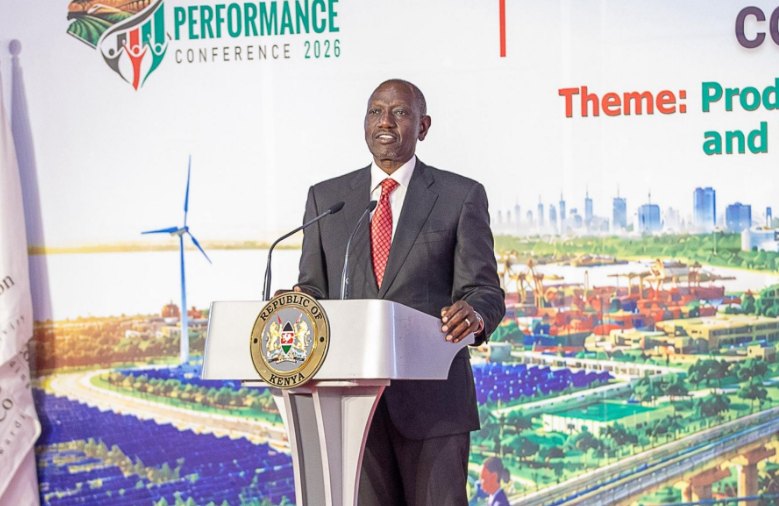
President William Ruto has led calls for restraint, warning that while the government respects the right to demonstrate, it will not tolerate lawlessness.
"The one thing that is not going to happen is that people will be mobilised to destroy property or to cause chaos or mayhem. That will not happen," Ruto said on June 19 while addressing the National Productivity and Performance Conference at the Kenya School of Government (KSG) in Lower Kabete, Nairobi.
He dismissed calls for a stay-at-home boycott, insisting that schools, businesses and workplaces would operate normally. Schools will remain open, workers will report to their stations and businesses will continue operating, he said, because that is how the country grows its economy and raises productivity.
Kenya Kwanza leaders led by Deputy President Kithure Kindiki have reinforced the message, accusing protest organisers of exploiting the Gen Z movement for political gain.
"I wonder what else is making those who had called those protests to continue," Kindiki said.
Speaking on Sunday during an interdenominational worship and thanksgiving service at Ziwa in Soy constituency, Uasin Gishu county, Kindiki said the government would not stand by if anyone attempted to undermine public order.
"The inciters are saying the 'Finance Bill has not introduced any punitive changes, the Finance Bill is okay, but we will continue with the demonstrations'."
Other leaders at the event similarly accused the opposition of mobilising young people for what they described as a protest aimed at causing disorder.
"They are planning and what they are planning is not demonstrations but criminal destruction of property," Nakuru Governor Susan Kihika said.
"Those who will come out, and I hope none does, because every issue has been addressed including those who were victims last time."
Uasin Gishu Senator Jackson Mandago urged organisers "to do an honourable thing and call off the maandamano".
"Because that maandamano has no agenda, has no complain, has nothing."
Nandi Governor Stephen Sang called on the President and the Deputy President to safeguard the rights of Kenyans who choose not to participate in the demonstrations.
"You have the cardinal constitutional responsibility of ensuring that Kenya is safe and stable," he said.
Kindiki maintained that the constitution protects the right to protest, provided demonstrations remain within the law.
"Those who want to go and protest, the constitution has allowed anyone to express themselves but there's no provision to injure the rights of others. Every citizen is protected by the government and the law, and this is not supposed to be a threat, it's not supposed to be a joke; that is what is going to happen on Thursday."
Amid the strong criticism from government leaders, opposition figures backing the memorial march have called on police to provide adequate security, affirming that the protests will go on as planned.
Previous demonstrations were infiltrated by criminal elements suspected to have been hired to disrupt otherwise peaceful protests.
Orengo criticised efforts to compensate victims of alleged police excesses, saying no amount of money could adequately replace lives lost.
"What does Ojwang's family benefit? You have been given two million, three million, everyday you wake up you see that grave where you have interred your son. They are going to see that grave for 10, 20 30 years," Orengo said.
The competing narratives have placed Thursday's memorial at the centre of a broader national debate about justice, accountability, public order and constitutional freedoms.
As Kenyans gather to remember those who died on June 25, 2024, attention will inevitably turn to how the state responds.
Security agencies are walking a tightrope: protecting lives and property while respecting citizens' constitutional rights to freedom of expression, assembly and protest.
The manner in which the memorial unfolds may ultimately serve as a measure of the state's ability to balance those competing obligations.
While the outcome remains uncertain, one thing is clear — few Kenyans, regardless of political persuasion, want to witness a repeat of the tragic events of June 25, 2024.