The country has an annual deficit of more than 500,000 tonnes of fish, the Kenya Marine and Fisheries Research Institute has said.
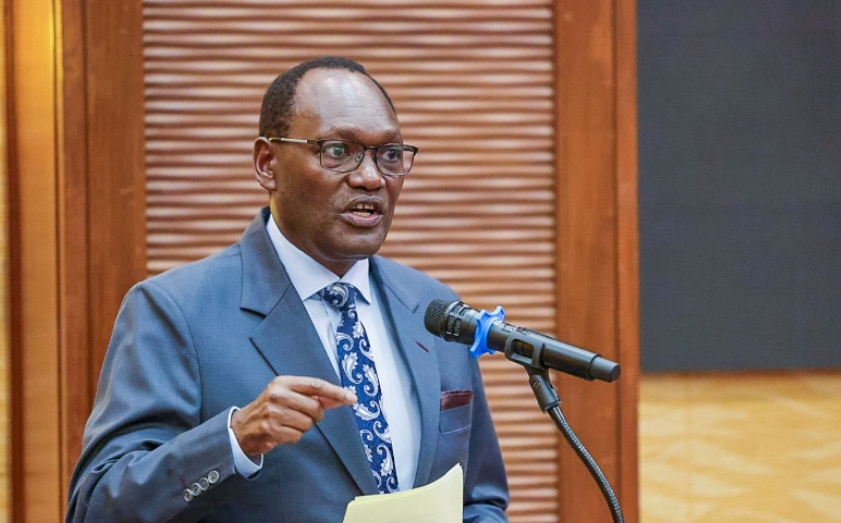
KMFRI chief executive officer James Njiru said Kenya produces 120,000 tonnes of fish against a demand of 700,000 tonnes and the only way to bridge the gap is through fish farming.
He said aquaculture (fish farming) is more productive and profitable.
“Of the total annual fish catch in the country, 90 per cent is from our lakes and ocean, and we still have a deficit of over 500,000 tonnes,” he said.
Under the Kenya Climate Smart Agriculture Project (KCSAP), Njiru said they are working with the Kenya Agricultural and Livestock Research Organisation (Karlo) to support fish farming.
Speaking in Naivasha during a stakeholders meeting, he said the provision of quality fingerlings and feed are some of the major challenges the sector is facing.
To end the problem, the government has set aside Sh12 billion to construct a hatchery in Shimoni at the Coast to produce quality fingerlings.
Njiru further said that they have received complaints over imports of fish from China. "We also export some of our fish products to other countries. We should embrace competition,” he said.
Karlo's Jane Wamuongo said they are working with 24 counties under the Kenya Climate Smart Agriculture Project (KCSAP).
Of the 24, Kakamega, Busia, Siaya, Lamu and Marsabit will get support towards aquaculture farming.
“This programme is worth over Sh41 million and it is meant to produce quality fingerlings for the five identified counties to increase fish production and empower farmers,” she said.
James Singi, the coordinator of the five-year KCSAP, said the World Bank had provided Sh25 billion to support the programme in the 24 counties.
He said they were working with various research institutes such as Kalro and KMFRI to address the issues of production.
Edited by A.N