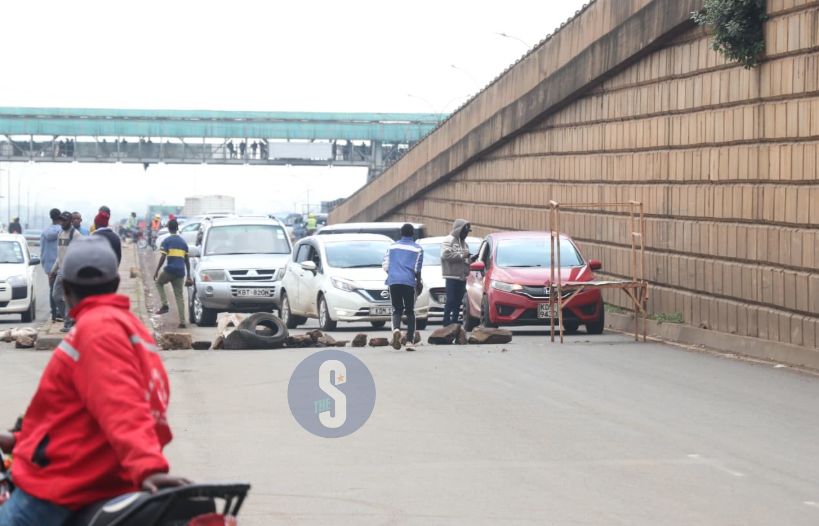

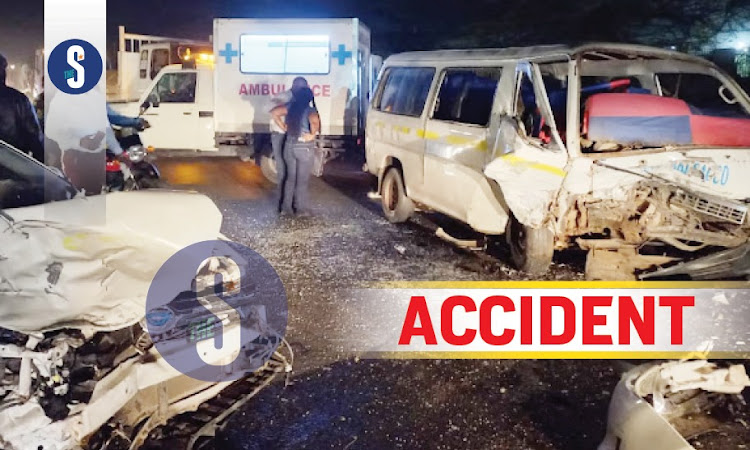
 A road crash scene. /FILE
The call was made during a Media Roundtable on Safe and Sustainable Mobility convened by the United Nations Environment Programme (UNEP) in collaboration with Vital Strategies in Nairobi.
The discussions come amid rising road fatalities. According to data from the National Police Service (NPS), 2,082 people died in road crashes between January 1 and May 27 this year, a 10 per cent increase from the 1,886 deaths recorded during the same period in 2025.
Pedestrians accounted for the highest number of deaths at 799, followed by motorcyclists at 563. Passengers, pillion passengers, drivers and pedal cyclists also recorded significant fatalities.
Stakeholders said the figures show an urgent need to shift from vehicle-centred transport planning to systems that protect all road users, especially vulnerable groups.
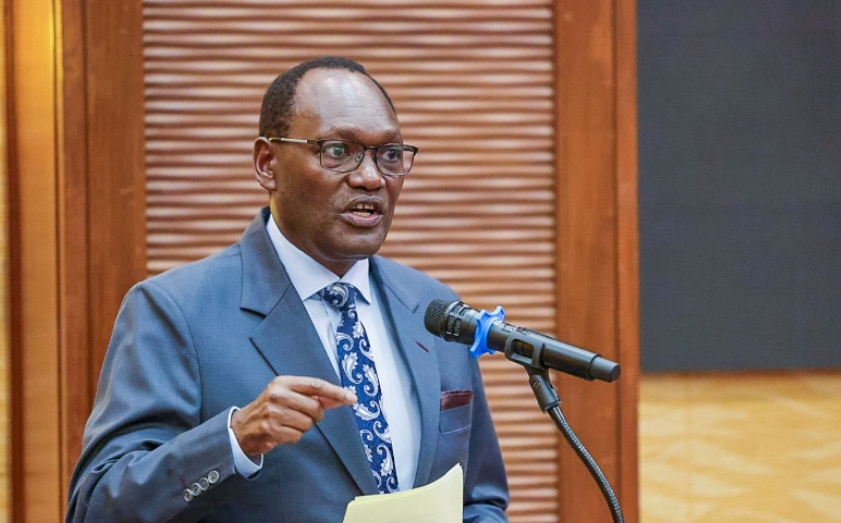
National Transport and Safety Authority (NTSA) Director Dr Andrew Kiplagat urged the media to continue highlighting road safety challenges despite frustrations over the slow pace of change.
“We must continue this discussion until things change because these are people somebody must speak for,” he said.
According to Kiplagat, more than 5,000 people died on Kenyan roads last year, with vulnerable road users carrying the heaviest burden. He noted that many pedestrians are forced to cross dangerous roads because safe crossing points are either missing or poorly designed.
“There are many people trying to cross roads as they go about their businesses, but the crossings are either missing or not properly designed,” he said.
Kiplagat called for the adoption of a “safe systems approach”, which assumes that human beings make mistakes and therefore roads, vehicles and transport systems should be designed to minimise deaths and serious injuries.
He stressed that road safety cannot be left to NTSA or the police alone.
“When something happens on the roads, many people immediately blame the police or NTSA. They have responsibility, yes, but they cannot solve this problem alone,” he said.
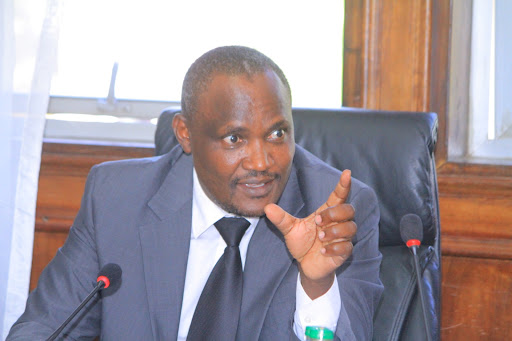
Samburu West MP Naisula Lesuuda said Kenya’s cities and towns have largely been designed for vehicles while ignoring the needs of ordinary citizens who walk or cycle daily.
“We have designed our cities for vehicles alone rather than designing them for people,” she said.
Lesuuda argued that road safety is not just a transport issue but also one linked to public health, economic opportunity, social equity and climate resilience.
“We must confront a difficult and uncomfortable truth that infrastructure inequality often mirrors societal inequality. Those most exposed to dangerous roads are often those with the fewest alternatives,” she said.
She noted that women, children, persons with disabilities and low-income workers who walk long distances are among the most vulnerable road users.
The legislator said she has sponsored a Non-Motorised Transport Bill currently before Parliament. The proposed law seeks to amend the Kenya Roads Act and require road agencies to prioritise walking and cycling infrastructure, including footbridges, walkways and bicycle lanes.
The Bill would also establish a national framework that counties and urban centres can adopt when planning transport systems.
“If we walk and cycle more, it is healthier for us and also reduces carbon emissions. But as we build roads, we must also protect our environment and restore trees that are being cut down,” she said.
UN-Habitat urban mobility and disaster resilience expert Mark Ojal said road safety should be integrated into broader development planning.
“Road safety has an ecosystem,” he said. “For accidents to occur, there is a whole value chain that we need to look into.”
Ojal added that a walking and cycling masterplan for Nairobi is being developed to demonstrate how a connected network for pedestrians and cyclists can work in practice.
UNEP Sustainable Mobility Programme official Constant Cap said nearly one billion people across Africa rely on walking and cycling every day, making investment in safe infrastructure critical.
He said efforts to improve road safety should be guided by the Vision Zero strategy, a global approach that aims to eliminate traffic deaths and serious injuries.
“Traditionally, we have viewed user behaviour as the biggest problem. However, the safe system approach recognizes that road users behave differently and that the transport system must be designed with those differences in mind,” he said.
Cap also cautioned that regulations alone are not enough.
“We can have very nice rules and regulations, but if we are not able to implement them, then it may be difficult to achieve meaningful change,” he said.
Meanwhile, Maarten Fonteijn, country manager of pan-African e-mobility company eBee, called for dedicated cycling lanes and safe transport corridors.
“Cities should be people-centred, not vehicle-centred,” he said. “There is a need to create spaces where people can move around freely, and that starts with people feeling safe.”
Stakeholders at the forum agreed that while solutions to Kenya’s road safety challenges are already well known, the priority now should be implementation, stronger enforcement and transport planning that puts people rather than vehicles at the centre of development.