


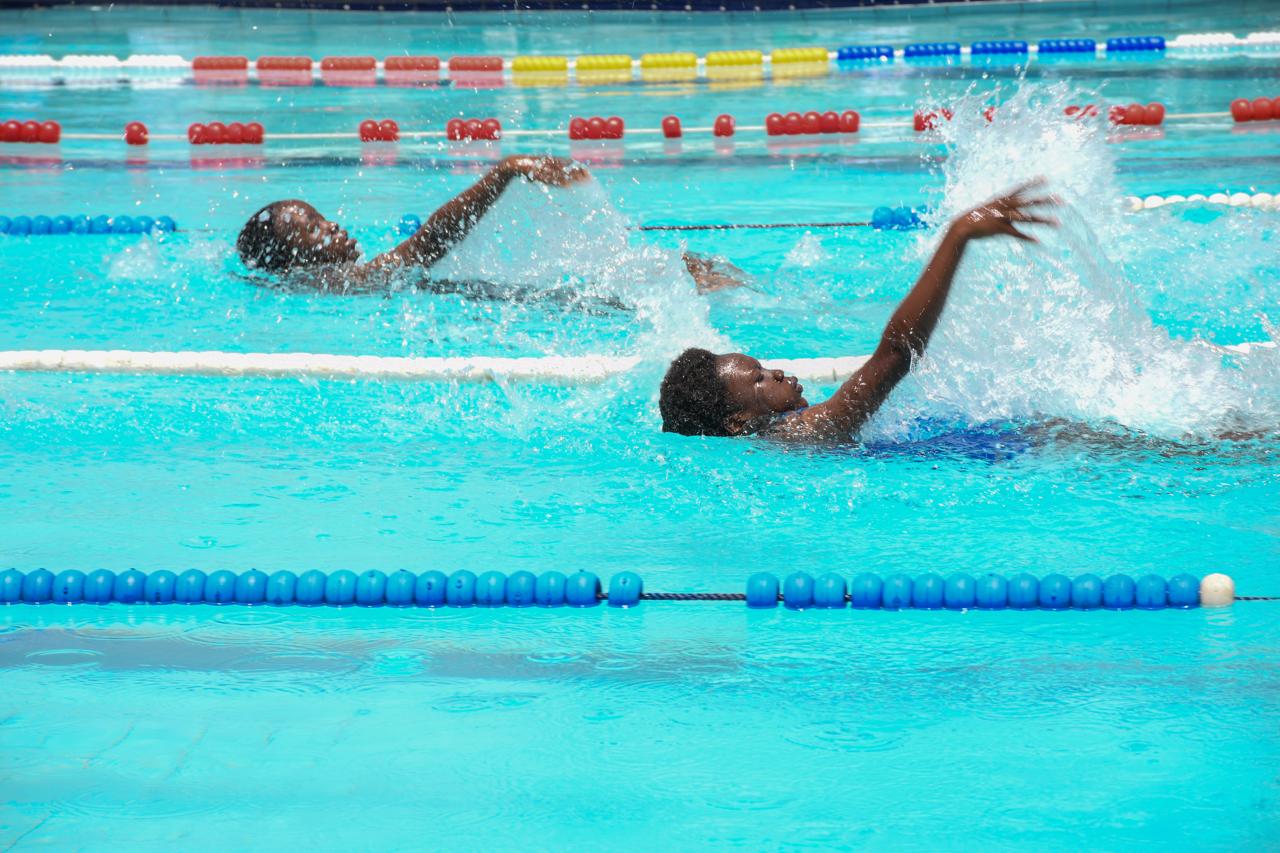
When a group of children from schools in the Nyanza and Western regions took to the water during an inter-school swimming tournament held earlier in October at Makini School, Kisumu, their splashes symbolised more than just competition; they reflected a growing shift in how schools view sports and holistic learning.
For a long time, schools have been hubs where talent is discovered, nurtured, and shaped to represent Kenya both locally and internationally.
It is for this reason that, across the country, educators are rethinking the traditional emphasis on football, athletics, and basketball and are beginning to explore the transformative potential of alternative sports such as swimming.
Far from being a luxury, swimming is emerging as an essential
skill, one that nurtures the body, mind, and character of young learners.
Swimming is unique among school sports. Beyond recreation, it teaches safety, discipline, and resilience. According to the World Health Organisation’s Global Status Report on Drowning Prevention (2024), drowning remains one of the world’s leading causes of child deaths.
Schools that integrate swimming into their programs are therefore not only enriching physical education but also equipping children with life-saving skills.
Speaking to The Star, Joshua Angira, Principal of Makini School, Kisumu, key sponsors of the swimming tournament, emphasised the importance of introducing learners to swimming early.
“Every child should have the chance to learn how to swim. It’s about safety as much as it is about sport,” he commented. He added that swimming builds confidence in students who may not excel in traditional field sports.
“We see learners who were once shy become self-assured after mastering even a single lap.”
The Inter-School Swimming Tournament in Kisumu, organised in partnership with the Kisumu Aquatic Association, brought together over ten schools in an event that blended competition with camaraderie, a clear sign of the growing interest among schools in swimming.
For students, swimming represents both freedom and focus.
“When I’m in the water, I forget everything else. It helps me relax and think clearly,” said Arnold Guto, a Grade Nine student who took part in the tournament. “Our CBE curriculum makes such good use of extracurricular activities, and for our school to organise such competitions shows their dedication to nurturing talent in line with curriculum implementation.”
Another student shared:
“I used to be afraid of water, but after learning to swim, I feel proud of myself. It’s like discovering something new about what I can do,” said Darell Davids. “I would like to encourage other students to learn swimming even as they strive to achieve their class goals in line with the CBE curriculum.”
Their words echo a growing recognition that sports education should go beyond competition; it should inspire self-belief, teach discipline, and promote mental well-being.
Unlike high-impact or contact sports, swimming is gentle on young joints and promotes endurance, flexibility, and posture. It provides an inclusive environment where every learner, regardless of physical build or ability, can participate and progress at their own pace.
Investing in safe swimming facilities and professional coaches pays off in multiple ways, including fostering physical fitness, boosting confidence, and promoting social cohesion.
Sports facilities such as swimming pools should be managed by full-time coaches and certified lifeguards to ensure the safety of learners as they master their skills in the water.
There is a need for schools to embrace not-so-common sports as part of the learning journey. Holistic education isn’t only about academics; it’s about preparing learners for life beyond the classroom. Swimming teaches children to push boundaries, work as a team, and overcome fear, lessons that ripple far beyond the pool.