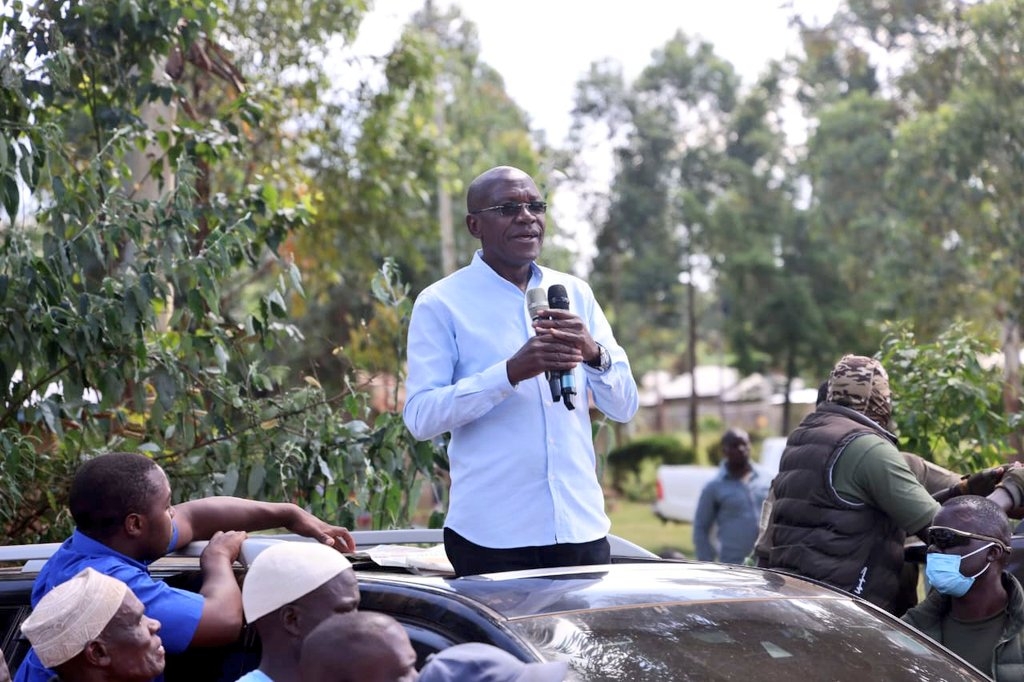
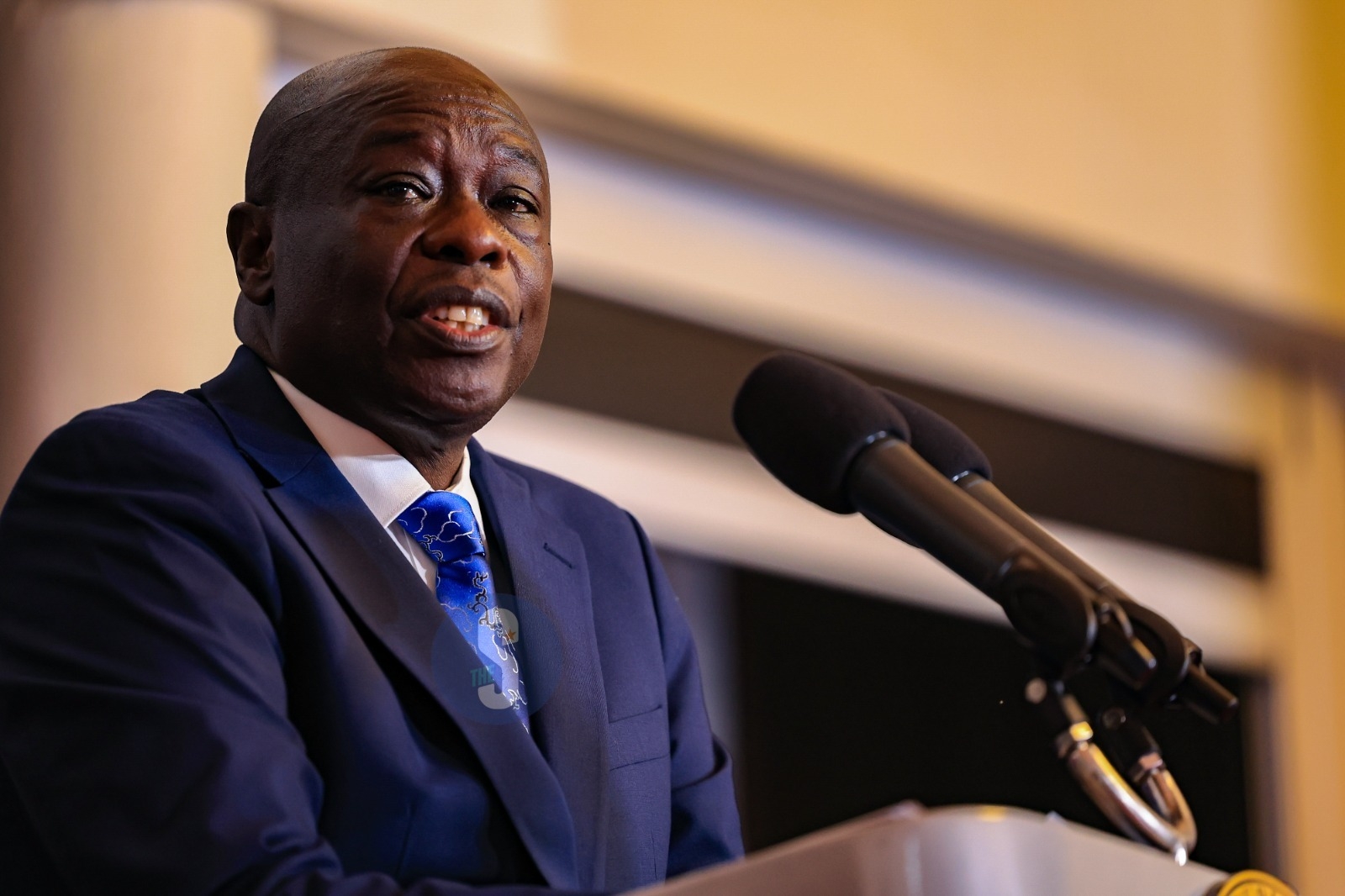
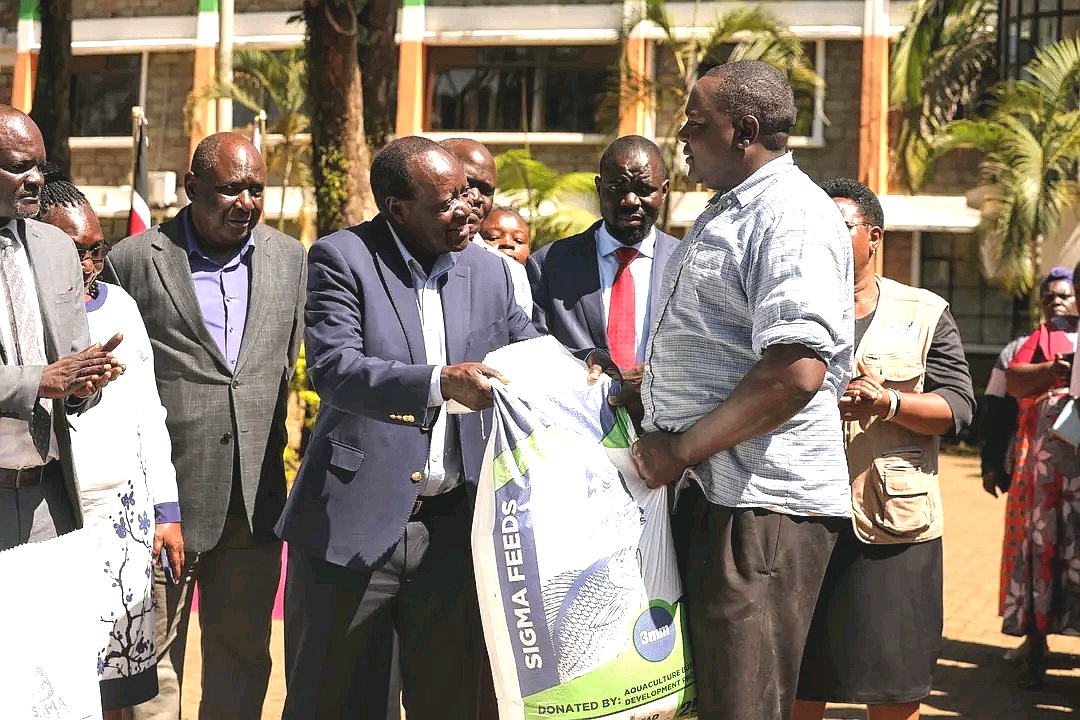
Speaking during the flagging-off of the fish feeds, Governor Wilber Ottichilo said the initiative aims to empower communities and drive inclusive economic growth.
Ottichilo described the initiative as a transformative step that would create jobs, enhance food security and open up Vihiga to international fish markets.
Audio By Vocalize
Vihiga Governor Dr Wilber Ottichilo issuing fish feeds to a farmer at the county headquarters at Mbale on November 10, 2025/IMAGE /HILTON OTENYO
The county government of Vihiga has launched a Sh69 million
fish farming project envisaged to promote the sector as a source of income,
boost nutrition and rural economy.
The project has already enrolled 450 farmers who are being
trained in modern fish farming techniques and value addition skills.
Under the current phase of the project, the selected farmers
across the county will receive eight bags of fish feeds each.
Speaking during the flagging-off of the fish feeds, Governor
Wilber Ottichilo said the initiative aims to empower communities and drive
inclusive economic growth.
“I want to thank our farmers for their patience and
commitment. Through this project, we are also setting up a small processing
plant at the Mwitoko Aquaculture Centre to produce local fish feeds at an
affordable price,” Ottichilo said.
He added that the county, in partnership with the Norwegian
Agency for Development Cooperation, plans to submit another proposal to extend
the project for an additional five years to scale up aquaculture productivity.
Ottichilo described the initiative as a transformative step
that would create jobs, enhance food security and open up Vihiga to
international fish markets.
“In addition to creating employment and improving local
incomes, this programme is a step toward positioning Vihiga as a key player in
Kenya’s fish export sector,” he said.
County Project coordinator Wilson Munala said the county is
also establishing two fish kiosks in Kaimosi and Chavakali for aggregation,
marketing and value addition.
Munala said the project is helping reduce production costs
and empower farmers through training, policy support and access to locally
produced feeds.
“So far, the project has distributed over 450,000
fingerlings—including monosex tilapia and catfish—alongside predator nets, bird
nets and technical assistance for pond construction. Each farmer is expected to
rear at least 1,000 fingerlings,” he said.
Local fish farmers like David Kisienya from Wodanga
expressed optimism that the initiative would revive the local fish industry and
boost household incomes.
“As farmers, we hope this project not only provides us with
a reliable market but also equips us with the skills for value addition so we
can export our fish,” Kisienya said.
Currently, Vihiga County relies heavily on fish supplies
from neighbouring Kisumu and Busia counties, which border Lake Victoria.



 Vihiga Governor Dr Wilber Ottichilo issuing fish feeds to a farmer at the county headquarters at Mbale on November 10, 2025/IMAGE /HILTON OTENYO