Journalists and digital content creators in Garissa County have been challenged to take a leading role in the fight against Female Genital Mutilation (FGM) and other forms of Gender-Based Violence (GBV) through responsible and ethical reporting.
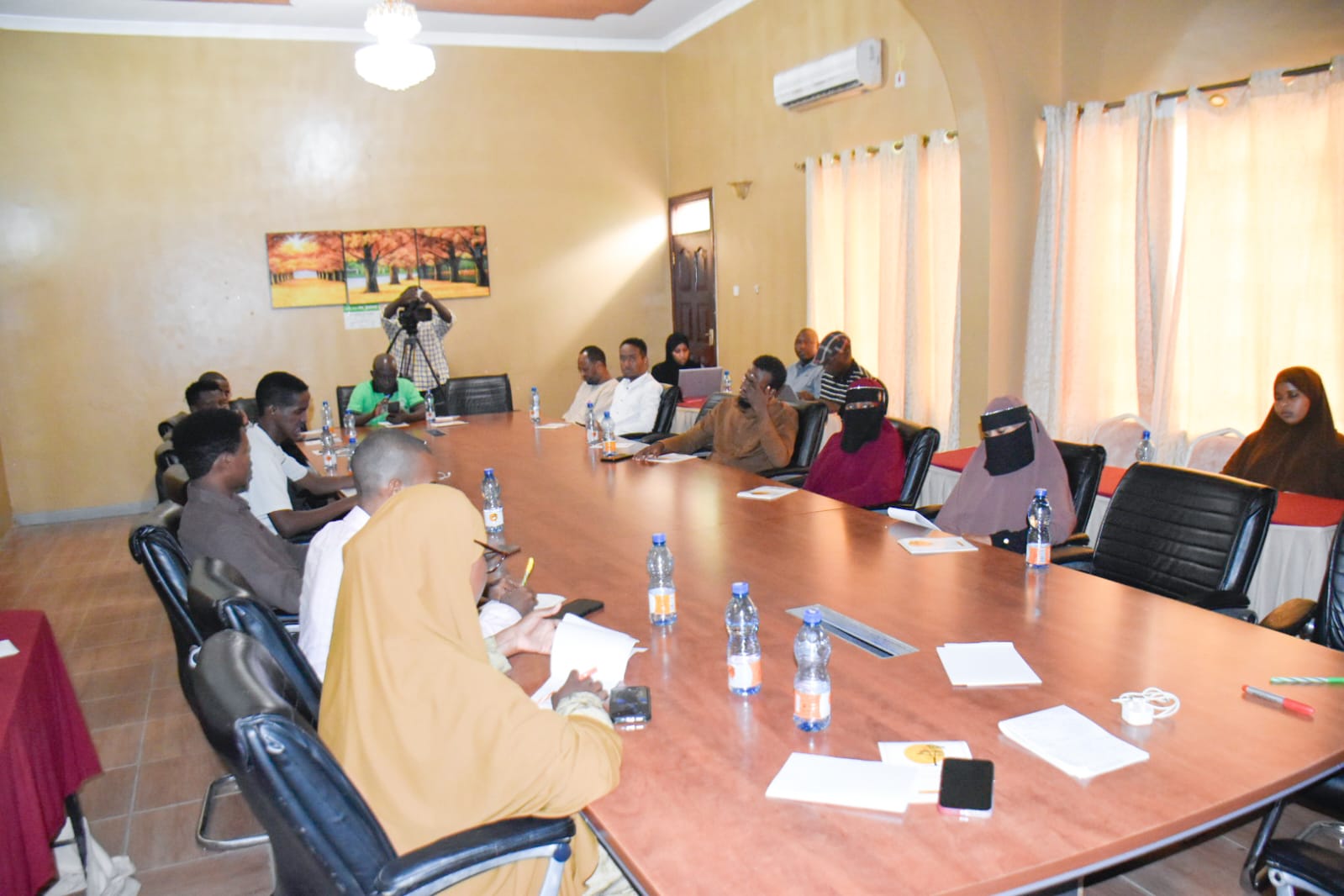
The calgender-based violencewo-day media training workshop organised by Girl Kind Kenya in Garissa Town under the Born Perfect Caravans: From Law to Practice project.
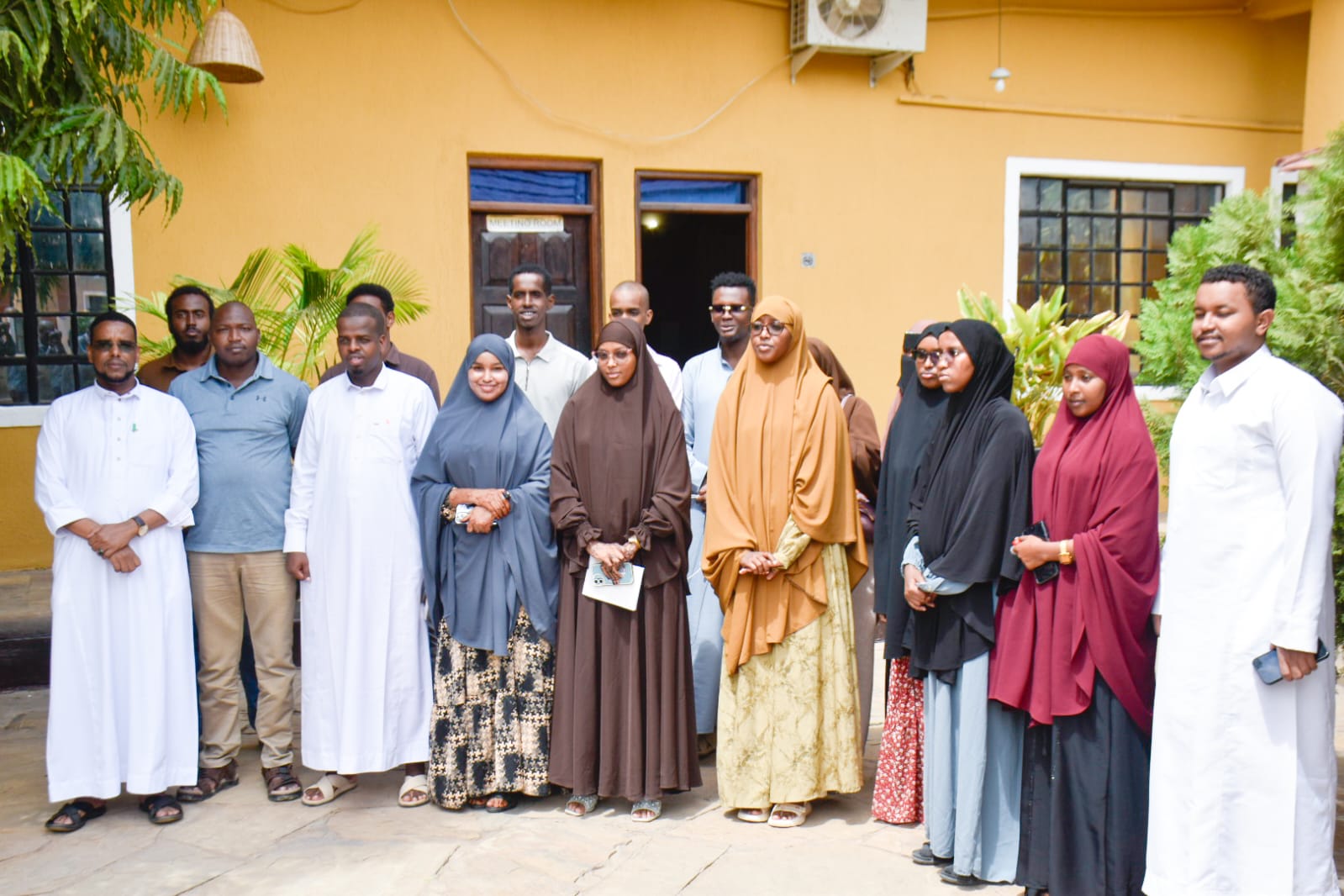
The workshop brought together journalists and digital content creators from across Garissa County as part of broader efforts to strengthen community-led campaigns against FGM in northern Kenya.
According to the Kenya Demographic and Health Survey, Garissa County still records an alarming 83 per cent prevalence rate of FGM, despite years of awareness campaigns and legal interventions.
Facilitators
at the workshop warned that the harmful practice continues to expose girls to
trauma, anxiety, depression, school dropouts and severe health complications,
including fistula.
Speaking
during the training, Girl Kind Kenya facilitator Abdullahi Buro Abdi said the
media remains one of the most powerful tools in shaping public opinion and
influencing social change.
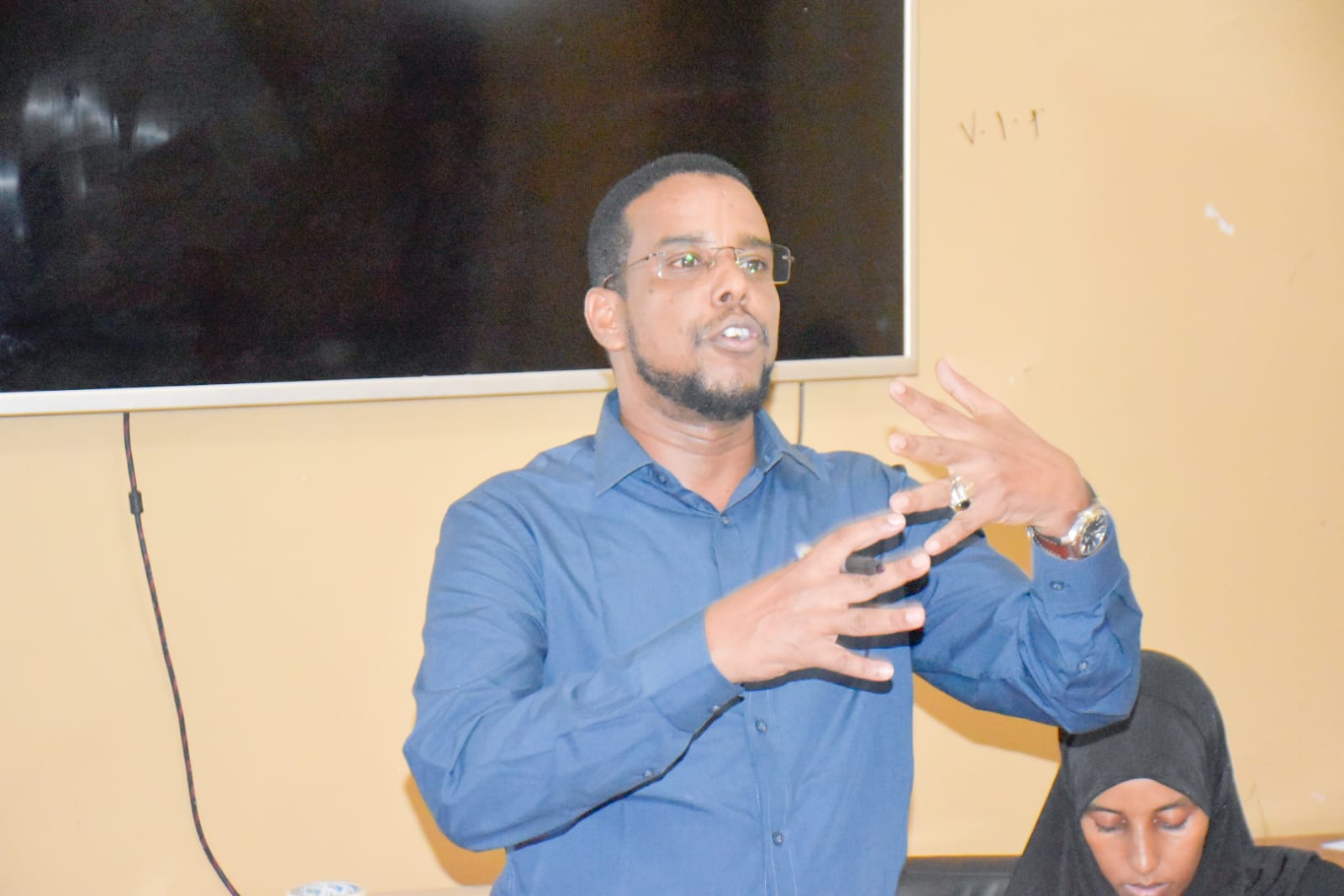 Girl Kind Kenya facilitator Abdullahi Buro Abdi explaining a
point to journalists during the meeting. /STEPHEN ASTARIKO
Girl Kind Kenya facilitator Abdullahi Buro Abdi explaining a
point to journalists during the meeting. /STEPHEN ASTARIKO“We decided to focus on media personalities and content creators because we have seen they are key stakeholders who can change and shape the destiny of society,” he said.
Abdi noted
that GBV remains widespread in the region, making it necessary to equip
journalists with skills on ethical and responsible reporting.
“We felt
journalists and content creators have a huge role to play in minimising these
cases and reporting responsibly so that we can stop practices that continue to
destroy the lives of our girls,” he said.
“In this
country today, many people have monetised media, leading to the spread of
unverified and unethical information. We have trained participants on
responsible reporting and the importance of verifying information before
putting it out for public consumption,” Abdi added.
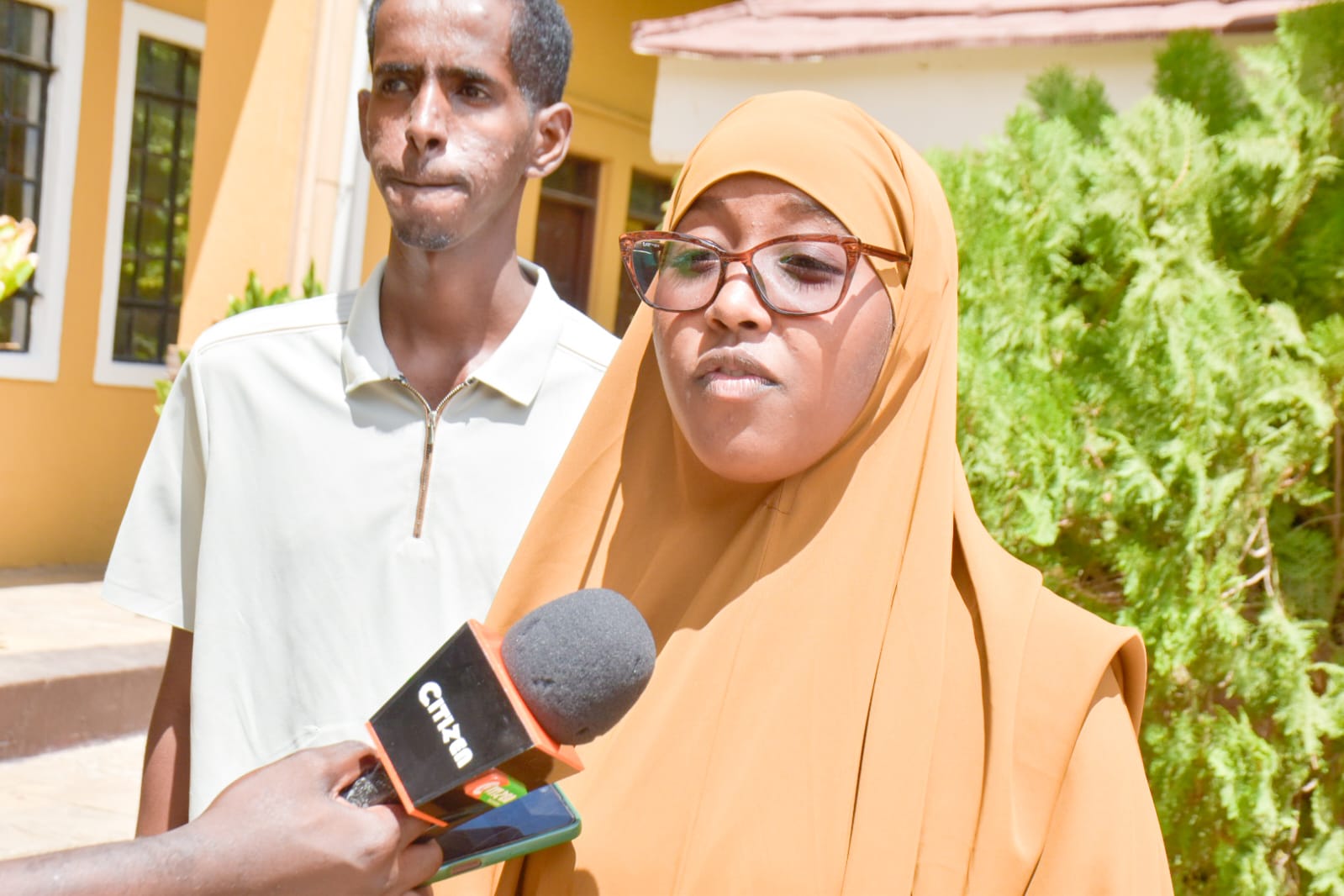
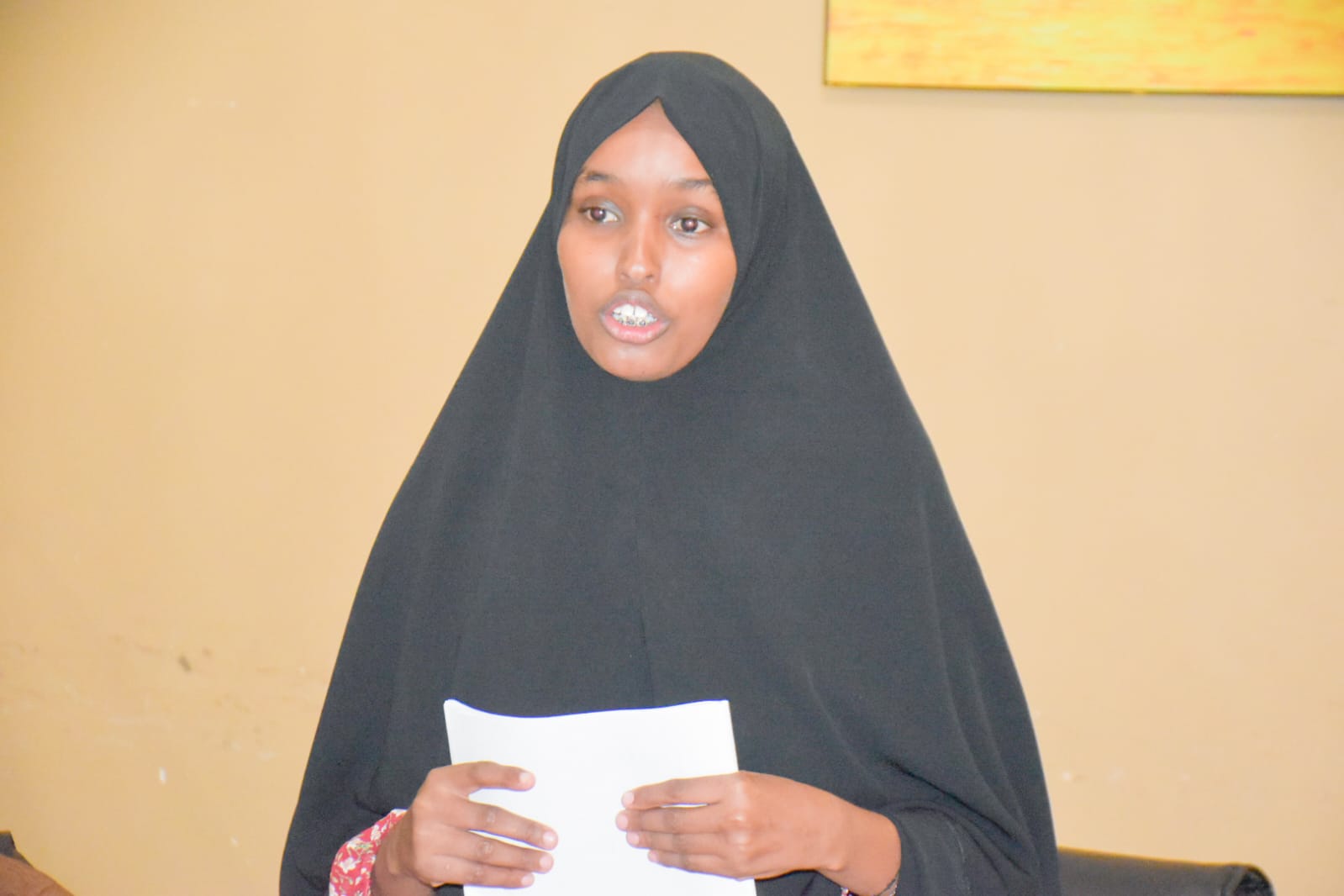 Asia Hassan, a teacher and content creator speaking at the
forum. /STEPHEN ASTARIKO
Asia Hassan, a teacher and content creator speaking at the
forum. /STEPHEN ASTARIKOHe also
raised concern over the growing misuse of social media platforms, including
blackmail and the circulation of explicit content, saying content creators must
use their platforms positively.
“We have
seen cases of blackmail and harmful content circulating online. Media
practitioners must understand the responsibility that comes with having a
platform. Looking forward, the media will play a critical role in reducing
these harmful practices,” he said.
Abdi
further called on communities to abandon regressive cultural practices such as
Maslaha — informal settlements of criminal cases outside the justice system – saying the practice often denies survivors justice.
“We are
urging people to shun harmful cultural practices that continue to hamper the
fight against GBV in Garissa. Survivors, especially girls and youth, should
feel safe and empowered enough to report cases,” he said.
He
revealed that the organisation is now working towards forming media caucuses in
Garissa to champion advocacy against FGM and GBV.
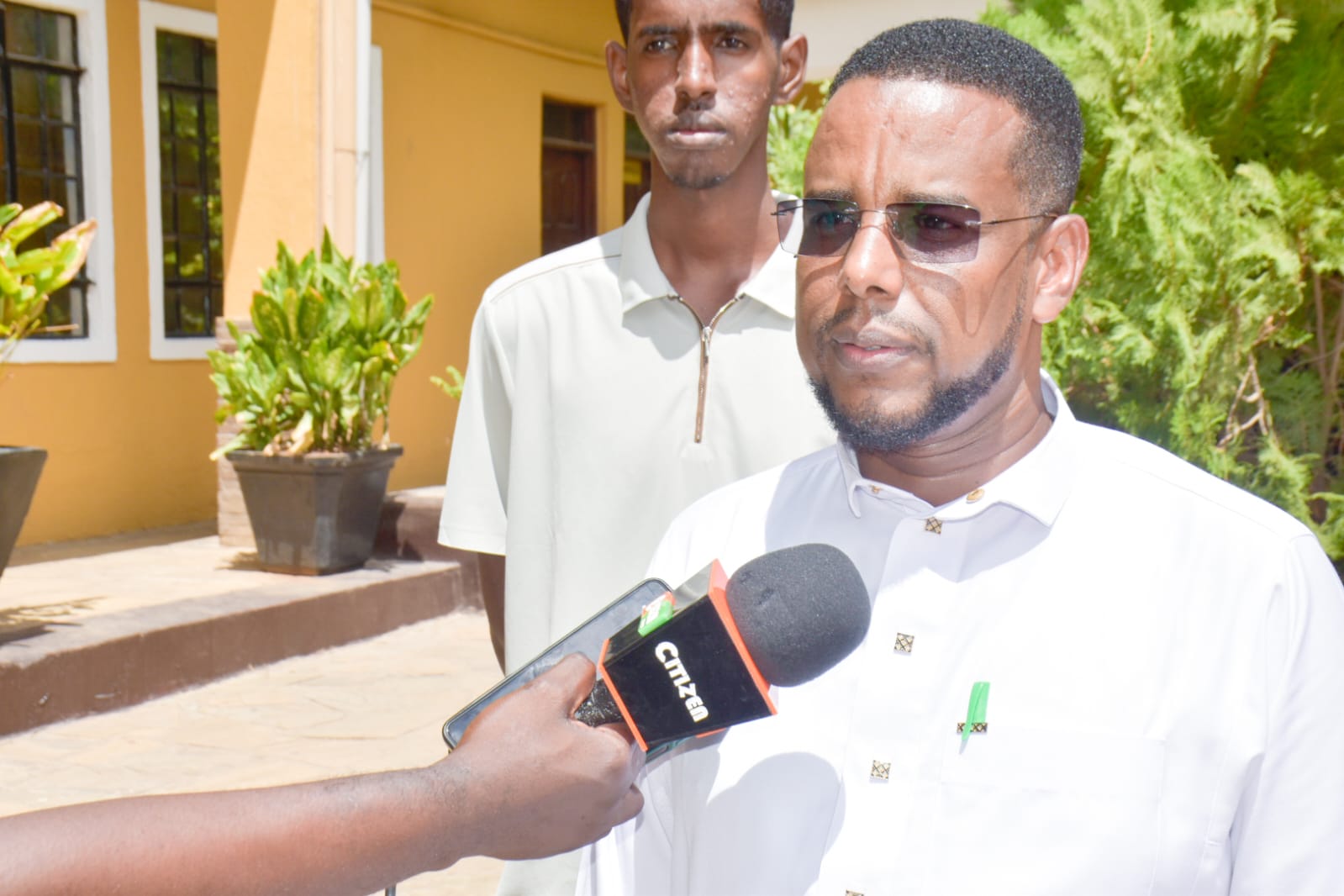 Girl Kind Kenya facilitator Abdullahi Buro Abdi speaking to
the press./STEPHEN ASTARIKO
Girl Kind Kenya facilitator Abdullahi Buro Abdi speaking to
the press./STEPHEN ASTARIKO“This is the first training of its kind, and we are not relenting. As they say, a journey of a thousand miles begins with one step. We have started that journey and we are not giving up any time soon,” he said.
Najma
Ahmed, One of the participants said the training had empowered young people to
use social media responsibly and become advocates against GBV and harmful
cultural practices.
Najma, who
described herself as a teen mental health activist, stressed the importance of
taking awareness campaigns to rural areas where many girls remain vulnerable.
“We should
go to people who are not aware or educated, especially in rural areas, and hold
interactive sessions for them. Some young people fall into these problems
because they are school dropouts or lack opportunities,” she said.
She also
encouraged youth to embrace technical skills and vocational training as a
pathway to empowerment and success.
“Skills
are key to success. Young people should take advantage of institutions such as
technical colleges if they cannot afford university education,” she added.
She further
urged youth to build confidence and communication skills to enable them to
speak out against abuse and injustice.
“Communication
is very powerful. If something happens, young people should be able to speak
out and seek help,” she said.
Abdiaziz
Jama, another participant, said both mainstream and social media users have a
responsibility to expose harmful practices within communities.
“We all
have a role to play using our respective spaces to address these vices that
continue to happen in our communities,” he said.
“Whether
it is mainstream media or social media, we all have audiences. Once we
highlight these issues, we not only expose them but also attract the attention
of authorities responsible for taking action,” he added.
Participants
were trained on ethical journalism, fact-checking and unbiased reporting to
curb misinformation and sensationalism, especially on digital platforms.
The training forms part of ongoing efforts by civil society organizations to strengthen legal awareness, improve enforcement of anti-FGM laws and encourage survivor-centered reporting in northern Kenya.
![[PHOTOS] The new Ngong –Naivasha Road viaduct](https://cdn.radioafrica.digital/image/2026/06/64d4f771-4432-4aee-ba3c-2f304c4436ec.jpg)


![[PHOTOS] 'Mr Speaker Sir' Gen Z protester in court](https://cdn.radioafrica.digital/image/2026/06/b3e62d8e-25c3-4780-90f9-4eb48b1ce8a7.jpg)