Make alternative justice work for us, Garissa residents tell state
Participants emphasised the need to strengthen awareness, empowerment and capacity building.
by STEPHEN ASTARIKO
Audio By Vocalize
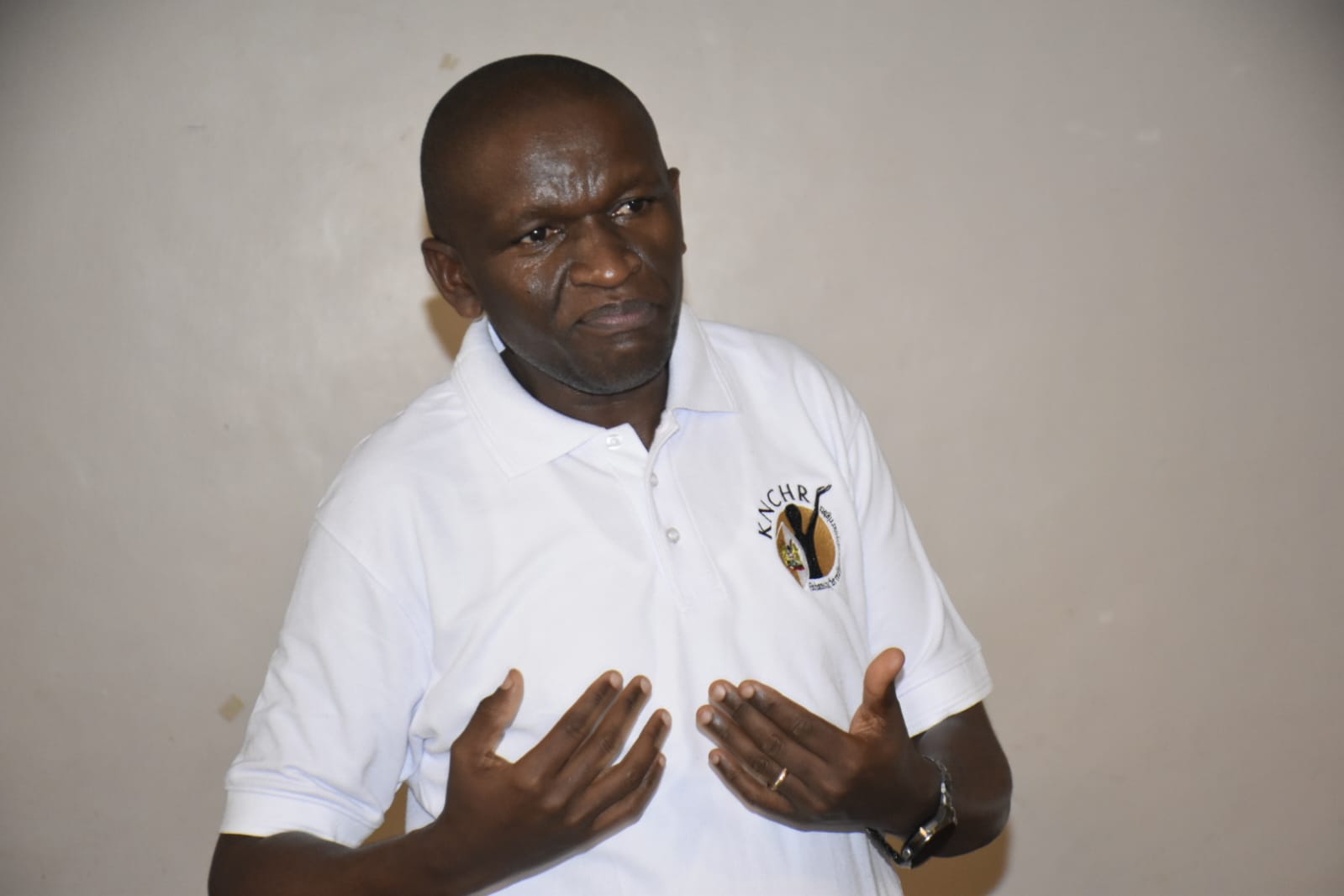
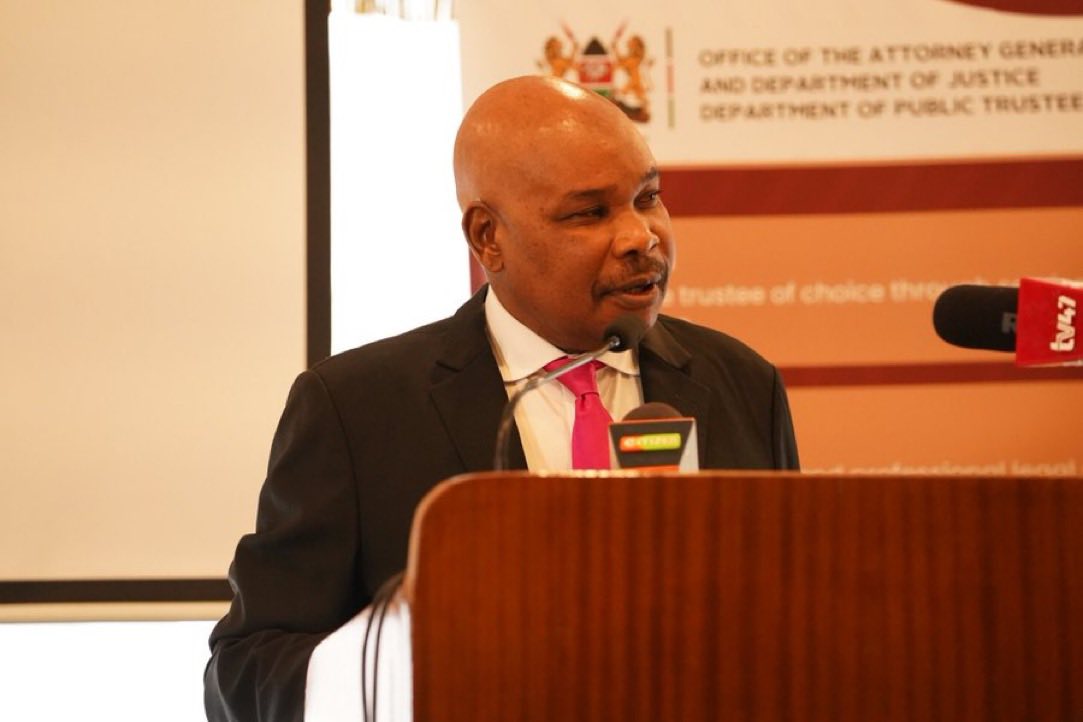
Joseph Ndiku, the acting CEO at the KNCHR /STEPHEN ASTARIKO
Stakeholder in Garissa call for enhanced documentation of outcomes arising from AJS proc
Garissa residents have called for enhanced documentation of outcomes arising from Alternative Justice System (AJS) processes and closer collaboration between AJS structures and the formal judicial system through referrals in appropriate cases.
The calls emerged during a two-day Alternative Dispute Resolution stakeholders’ training organised by the Kenya National Commission on Human Rights in Garissa.
Participants
drawn from different sectors emphasised the need to strengthen awareness,
empowerment and capacity building on AJS mechanisms among communities.
They also
recommended that the AJS conversation be taken to the grassroots level, with
every sub-county covered to ensure wider public understanding and
participation.
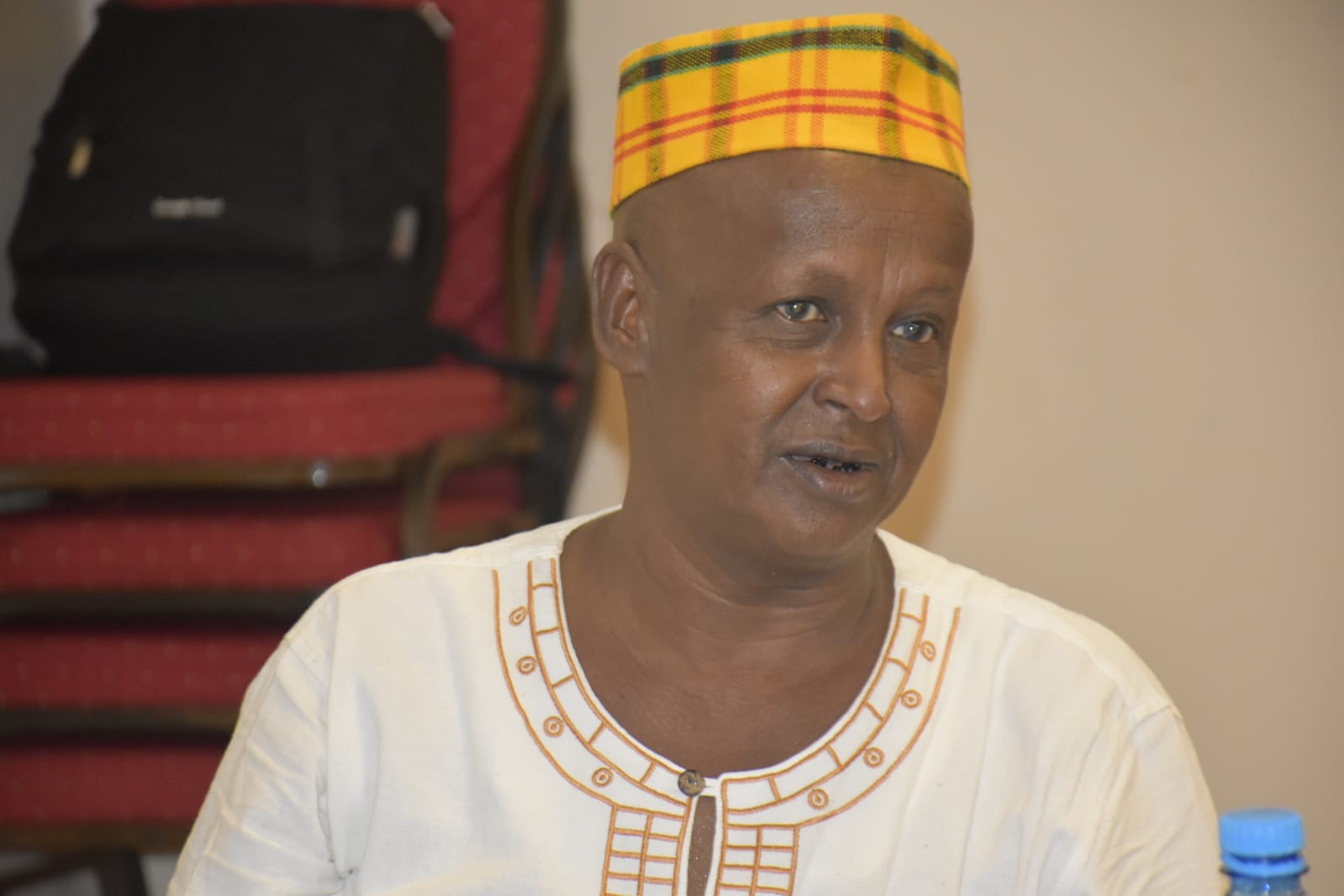
Irshad Yussuf, a local human rights defender, underscored
the importance of collaboration among different AJS mechanisms and the need to
properly document final outcomes of cases handled through the systems.
He
stressed the need to engage traditional dispute resolution mechanisms on their
limits to ensure they operate within the law and respect human rights
principles.
“There is
a continued need to strengthen sensitisation and awareness creation programmes
targeting stakeholders and community members across Garissa County to enhance
public understanding of the Alternative Justice System,” Yussuf said.
He said that despite
ongoing efforts, a significant proportion of residents remain unaware of the
scope, mandate, and operational framework of AJS, including the types of
disputes it can appropriately handle and its relationship with the formal
justice system.
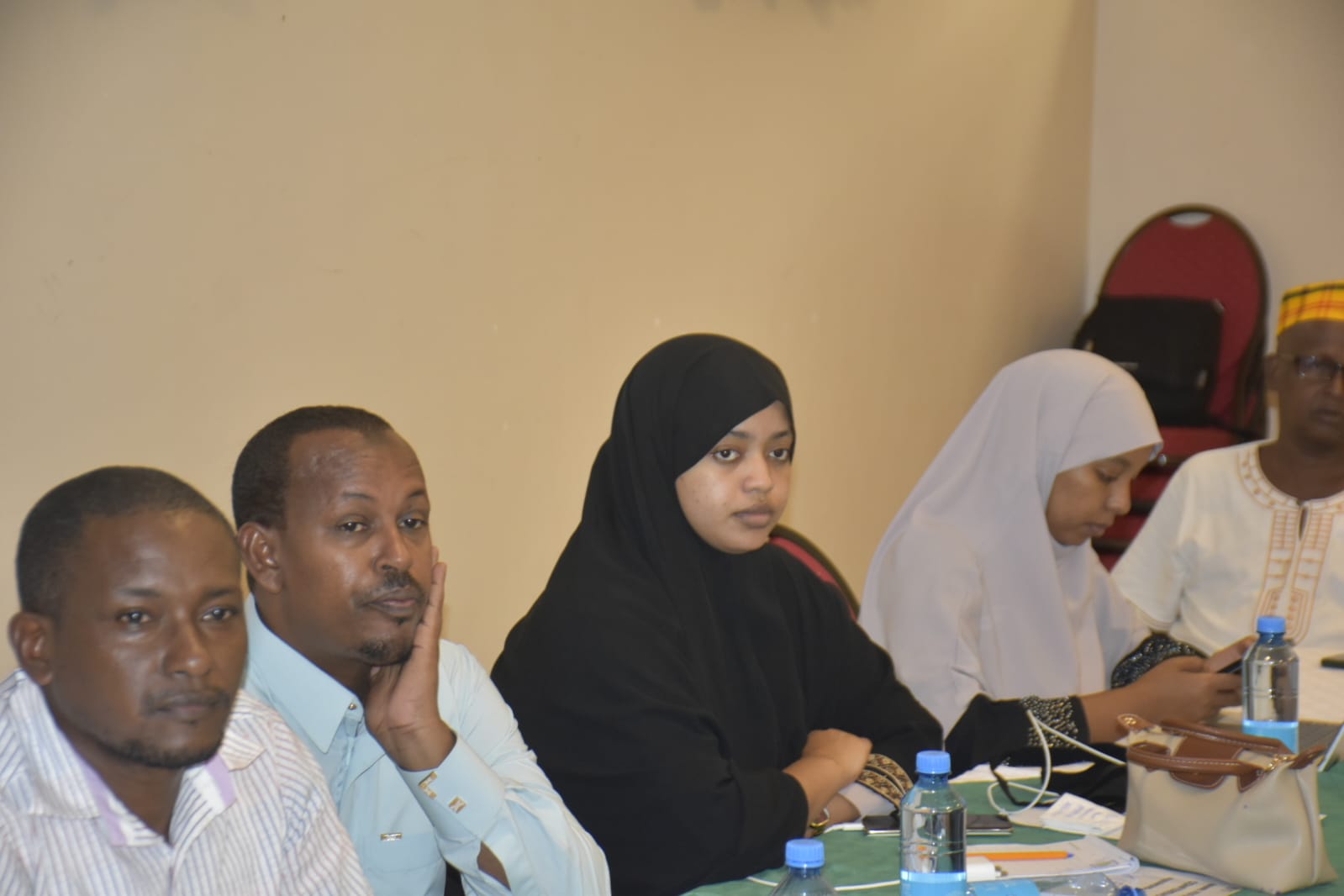
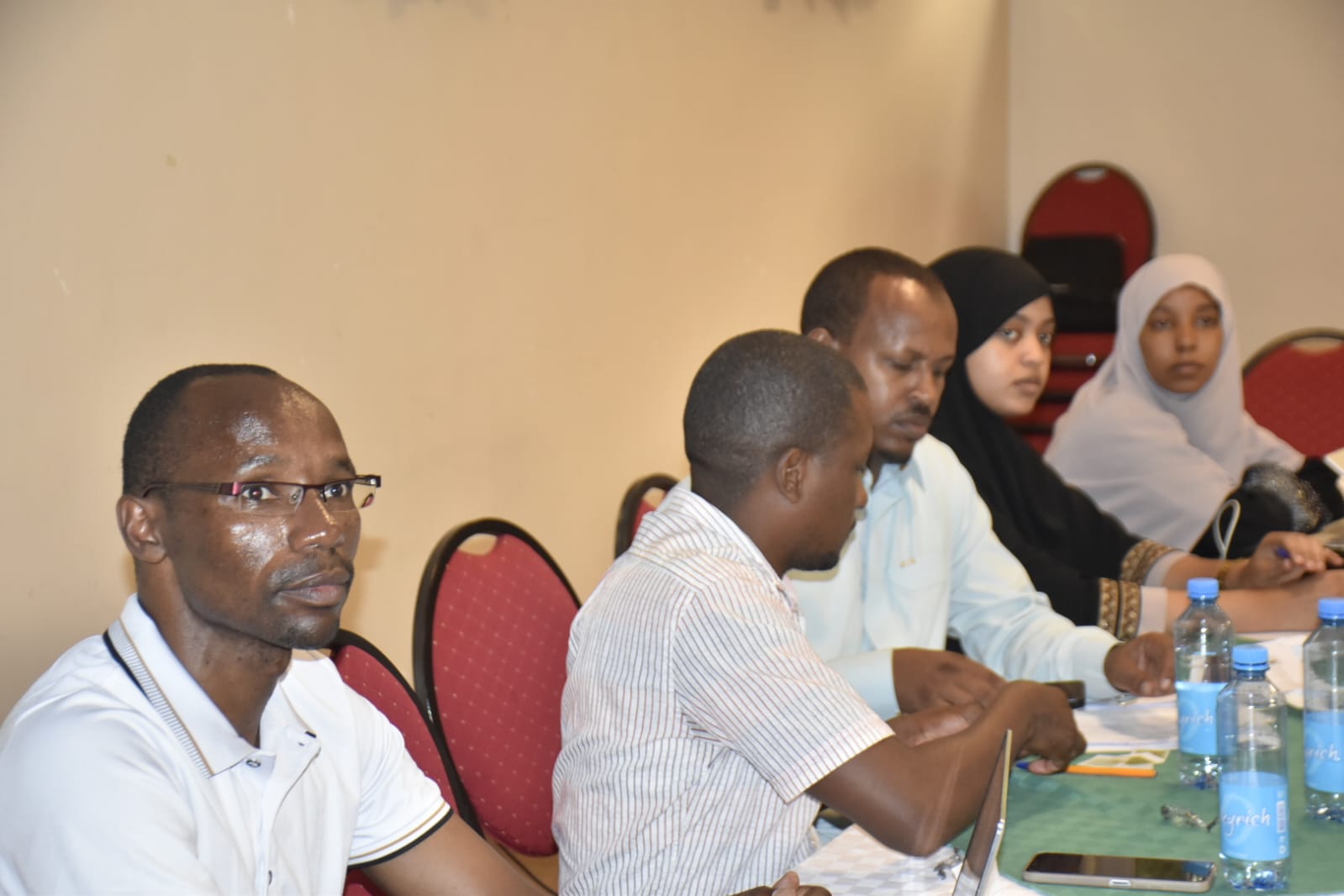
Participants from different sectors from Garissa
during the two-day stakeholders’ meeting organised by the KNCHR /STEPHEN
ASTARIKO
Hamdi
Bishar, a Garissa-based human rights activist, highlighted Sexual and
Gender-Based Violence (SGBV) as a major concern, noting that such cases should
never be subjected to informal justice mechanisms.
She called
for increased awareness among residents and those handling dispute resolution
systems to ensure SGBV cases are addressed through the formal justice system.
“Enhancing
awareness programmes among residents
and those handling community dispute resolution processes must be prioritized.
This will help prevent inappropriate handling of SGBV matters through informal
mechanisms and ensure survivors receive proper legal protection, support, and
access to justice,” she said.
“Sustained
collaboration between justice sector institutions, county leadership, civil
society organizations, and community structures will be critical in advancing
awareness, safeguarding human rights, and promoting effective and accountable
dispute resolution systems within the county,” she added.
Joseph
Ndiku, the acting CEO
at the KNCHR, said AJS is an acceptable mode of accessing justice that
complements the judiciary and advances the realization of Article 48 of the
Constitution on access to justice.
“There’s a
need to transform any AJS mechanisms that do not comport with the Constitution
to ensure compliance with human rights principles and standards,” Ndiku said.
He noted
that AJS reflects the lived realities of many communities and is widely
embraced at the grassroots level.
Ndiku
added that although some AJS mechanisms operate autonomously, adherence to
constitutional provisions under Article 159(3) remains critical.
“The
traditional dispute resolution mechanisms must ensure that whatever they do is
within the confines of the Constitution. There should never be cases of human
rights violations,” he said.
He said
the training identified the need for proper documentation of AJS outcomes and
closer collaboration between AJS mechanisms and the formal judicial system
through referrals where necessary.
“So, as a
commission, we will now retreat and look at some of the challenges that have
been identified and how best the commission can contribute towards solutions
jointly or in consultation with community members,” Ndiku added.
In
September last year, Chief Justice Martha Koome launched the Garissa
Alternative Justice System initiative, paving the way for residents to resolve
disputes outside conventional courts.
The
Judiciary officially recognized Alternative Justice Systems in 2020 through the
launch of the AJS Policy, creating a constitutional framework for such
mechanisms.
Participants drawn from different sectors from Garissa
during the two-day stakeholders’ meeting organized by the KNCHR. /STEPHEN
ASTARIKOIrshad Yussuf , a local human rights defender speaking at
the meeting./STEPHEN ASTARIKO
Cyrus Maweu, the head of legal service at the KNCHR
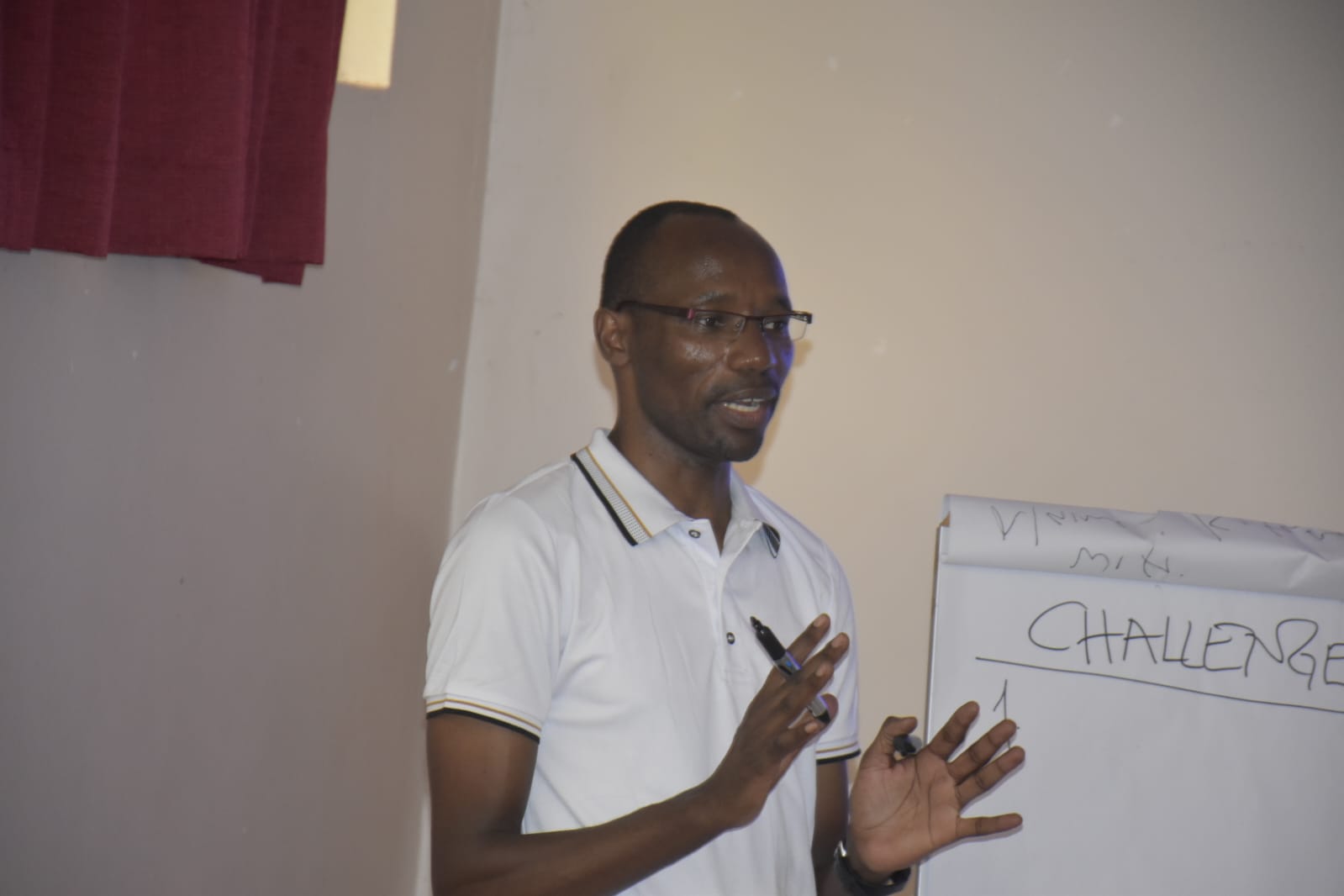
explains a point during the stakeholders' engagement. /STEPHEN ASTARIKO
This is premium content
Subscribe to Continue Reading
Help us continue bringing you unbiased news, in-depth investigations, and diverse perspectives. Your subscription keeps our mission alive and empowers us to provide high-quality, trustworthy journalism. Join us today to make a difference!




![[PHOTOS] The new Ngong –Naivasha Road viaduct](https://cdn.radioafrica.digital/image/2026/06/64d4f771-4432-4aee-ba3c-2f304c4436ec.jpg)







![[PHOTOS] 'Mr Speaker Sir' Gen Z protester in court](https://cdn.radioafrica.digital/image/2026/06/b3e62d8e-25c3-4780-90f9-4eb48b1ce8a7.jpg)