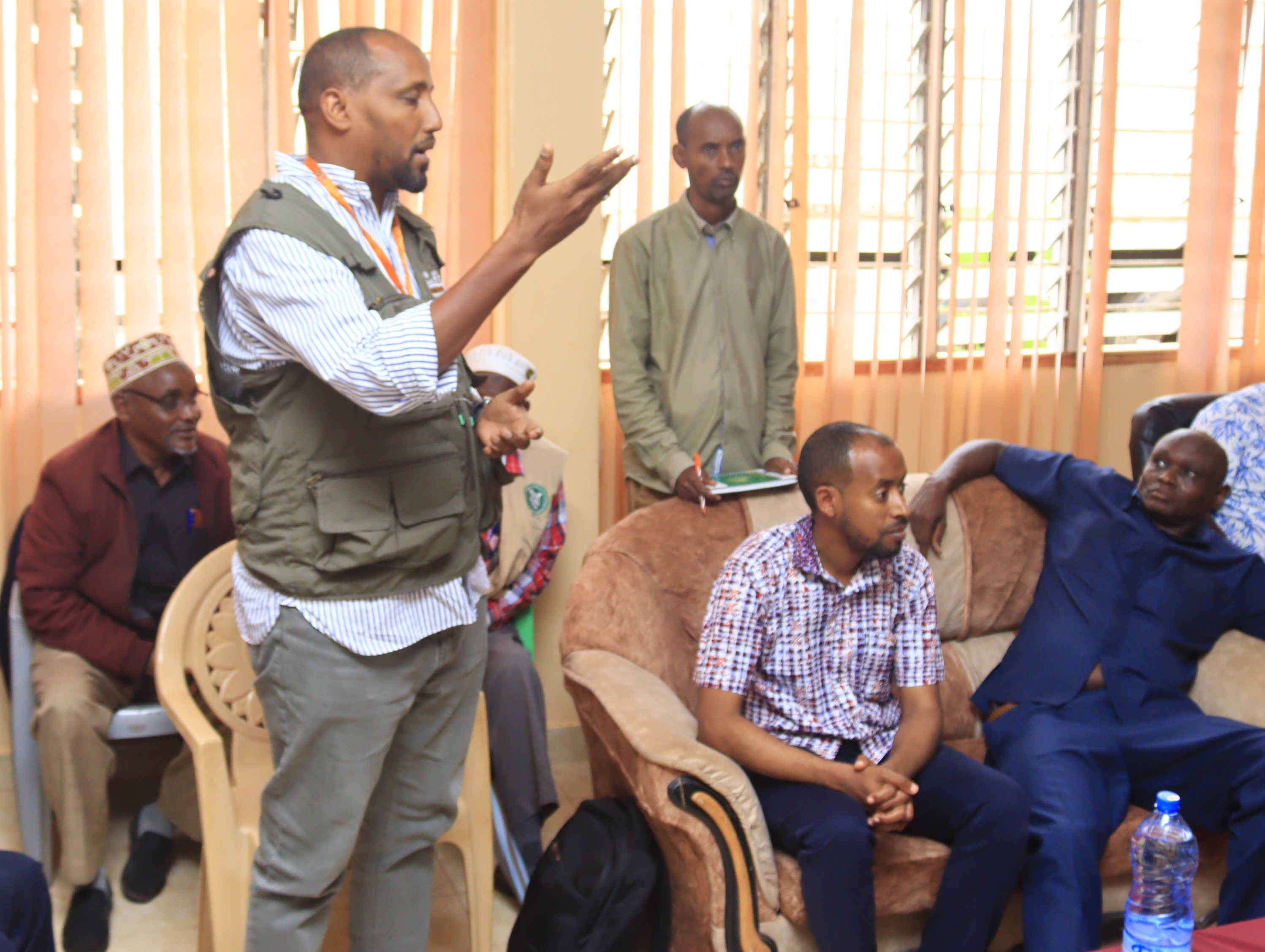
 SND Africa CEO Ibrahim Dida addresses a delegation from AU, IGAD, GIZ and the national government at the DCC offices. /STEPHEN ASTARIKO
A lack of comprehensive, formal peace structures is severely undermining cross-border peacekeeping efforts along the Ethiopia-Kenya border, according to local officials and community leaders.
The failure to establish shared regional security frameworks, synchronised policies and formal mediation mechanisms has allowed ethnic conflicts to escalate with impunity, they say.
Speaking during the Sololo-Miyo corridor peacekeeping mission on Saturday, Ibrahim Dida, CEO of the Strategic Northern Development Agency, said that while conflicts increasingly span national borders due to transnational threats and regional interconnectedness, peace operations remain “traditionally designed to operate within single-state frameworks”.
This, he said, has created a significant “policy gap” in border areas where state authority is weak or contested.
Dida welcomed a new initiative to establish and harmonise a joint Cross-Border Conflict Prevention, Response and Mitigation (CPMR) committee for the Sololo-Miyo corridor in 2025.
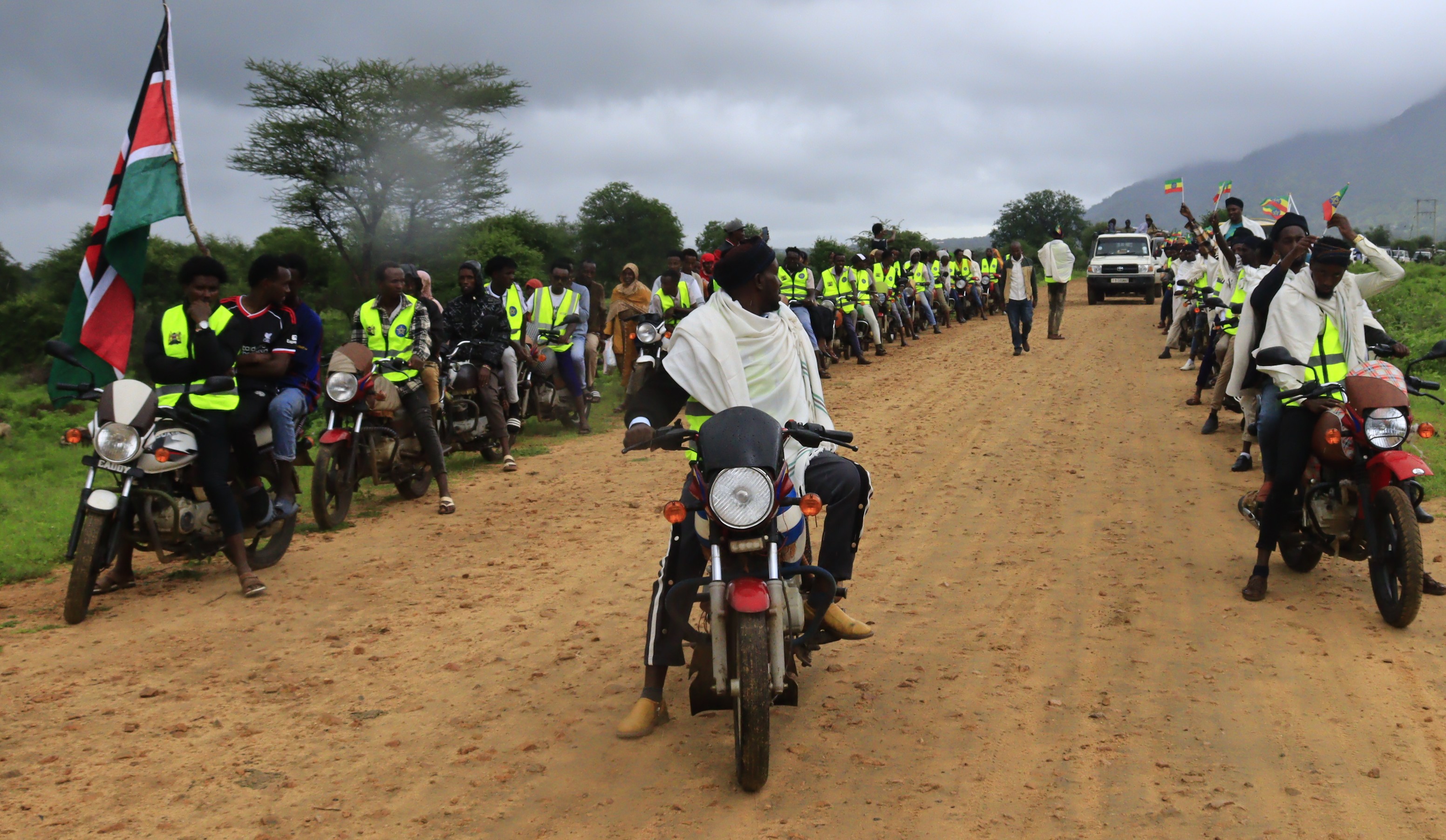 Boda-boda operators from Kenya and Ethiopia welcome a
delegation from AU, IGAD, GIZ and peace committee members in the Miyo area in
Ethiopia. /STEPHEN ASTARIKO
Boda-boda operators from Kenya and Ethiopia welcome a
delegation from AU, IGAD, GIZ and peace committee members in the Miyo area in
Ethiopia. /STEPHEN ASTARIKO
The effort is supported by GIZ, IGAD’s Conflict Early Warning and Response Mechanism, and the African Union Border Programme (AUBP). The aim is to localise peacebuilding, putting communities at the centre of shaping their own security.
“We share land, water and livestock routes — why not share peace mechanisms too?” one participant from Miyo asked during the proceedings.
Dida called on Horn of Africa countries to adopt peace structures that have proved effective in West African nations such as Mali, Burkina Faso and Guinea-Bissau, where cross-border conflict prevention mechanisms are more advanced.
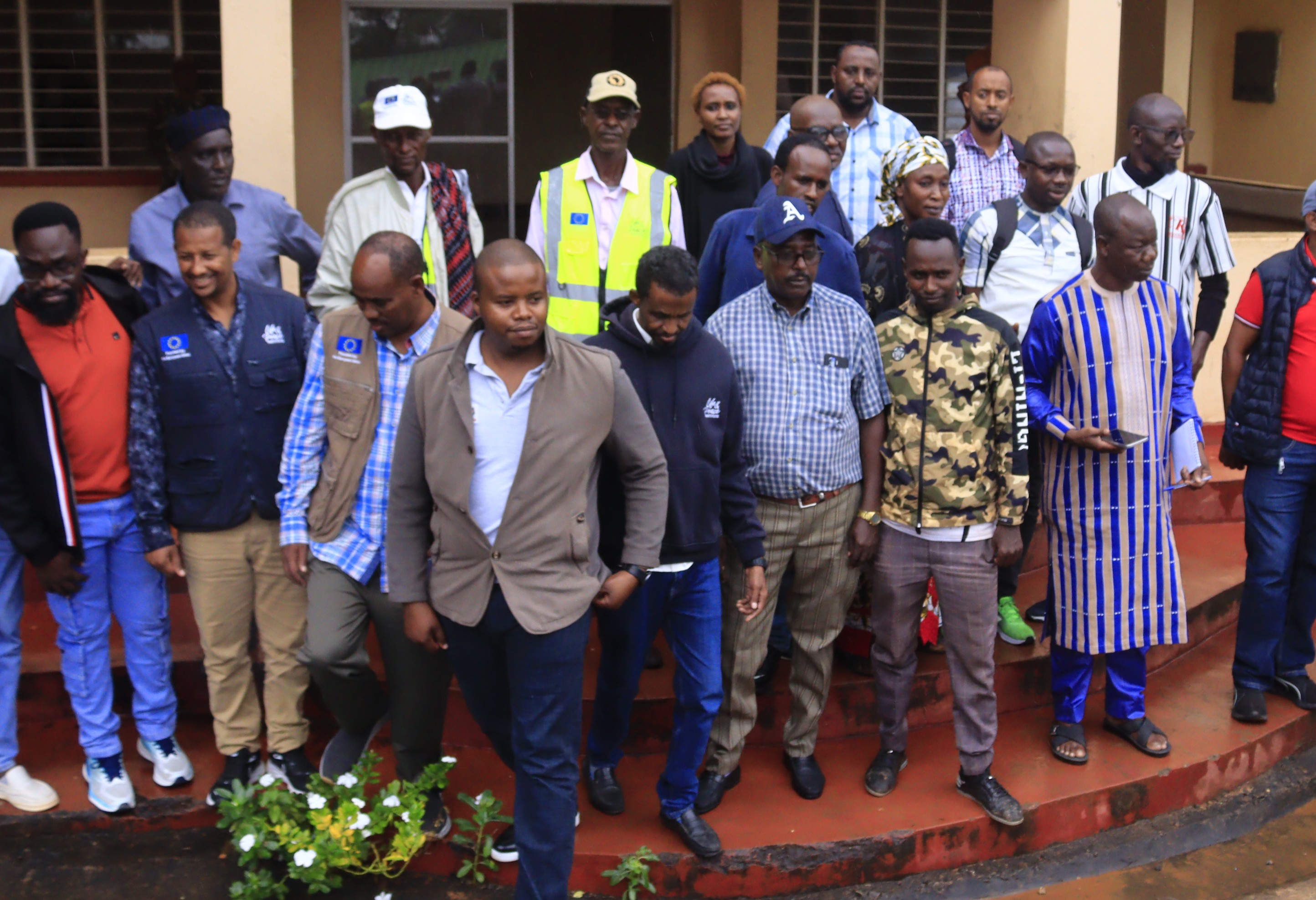 The delegation readies itself for the journey from the Sololo DCC offices to the Miyo area in Ethiopia. /STEPHEN ASTARIKO
Shamshia Abdullahi, a local resident, said the Sololo-Miyo region has been a conflict hotspot for more than five decades, recalling that she never dared to set foot in border areas while growing up due to the volatility.
Women and children, she noted, bore the brunt of the violence, yet women were also among the worst inciters of ethnic conflict along the border, a complexity she said needed honest acknowledgement.
The newly formed committee is intended to shift the region from reactive violence response to proactive prevention.
Women, youth and elders, previously sidelined, are now central to dialogue.
Ibrahim Ahmed, chairperson of the Sololo-Miyo Peacekeeping Committee and an Ethiopian national, described how repeated bloody conflicts had stagnated economic growth and made large areas impassable for Borana and Somali communities trying to move between Kenya and Ethiopia.
“We hope recent developments will boost economic development and cross-border trade,” Ahmed said.
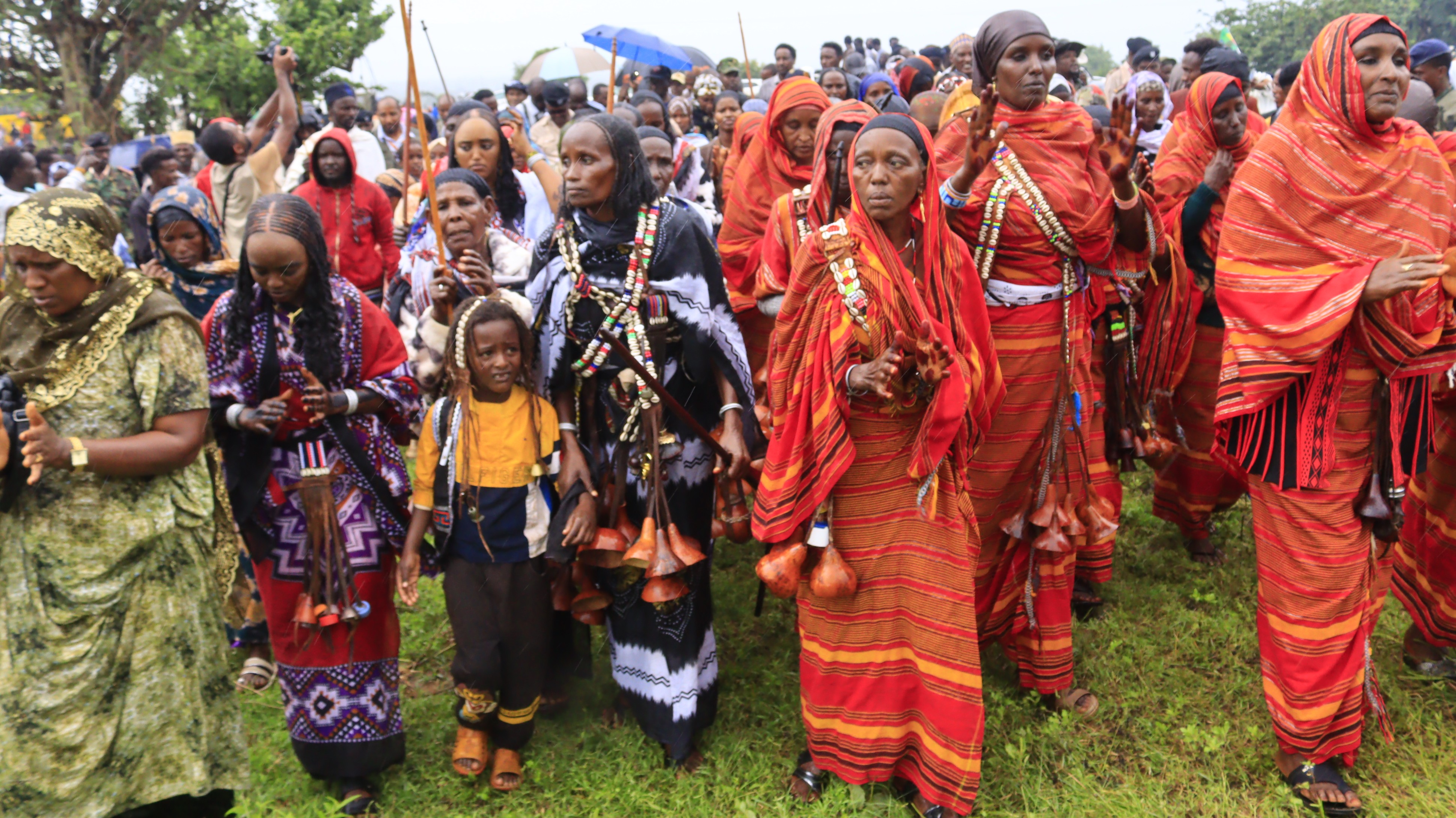 Miyo residents welcome guests at the Dukale market in
Ethiopia. /STEPHEN ASTARIKO
Miyo residents welcome guests at the Dukale market in
Ethiopia. /STEPHEN ASTARIKOHowever, he urged both governments to reconsider the current limit of 100km on cross-border movement, calling it too restrictive.
Kippa Puro, a youth representative from Sololo, said the new arrangements would allow even boda boda operators to move freely across the border.
“We are optimistic that we will now witness young men and women beginning to intermarry across these two regions that have experienced hostility for decades,” Kippa said.
Marsabit County Commissioner James Kamau appealed to local communities to continue fostering peaceful coexistence.
He praised the African Union, IGAD, GIZ and SND Africa for the peace mission, which he said was already bearing fruit.
The Sololo-Miyo corridor spans an estimated 15,000 kilometres of arid and semi-arid land in Marsabit County on the Kenyan side and Borana Zone on the Ethiopian side.
It is inhabited by an estimated 200,000 pastoralist community members from the Borana, Gabbra and Garri communities.
All these communities share ancestry, language and livelihood systems built around livestock mobility across a landscape that has never obeyed the 861-kilometre line drawn by colonialists.
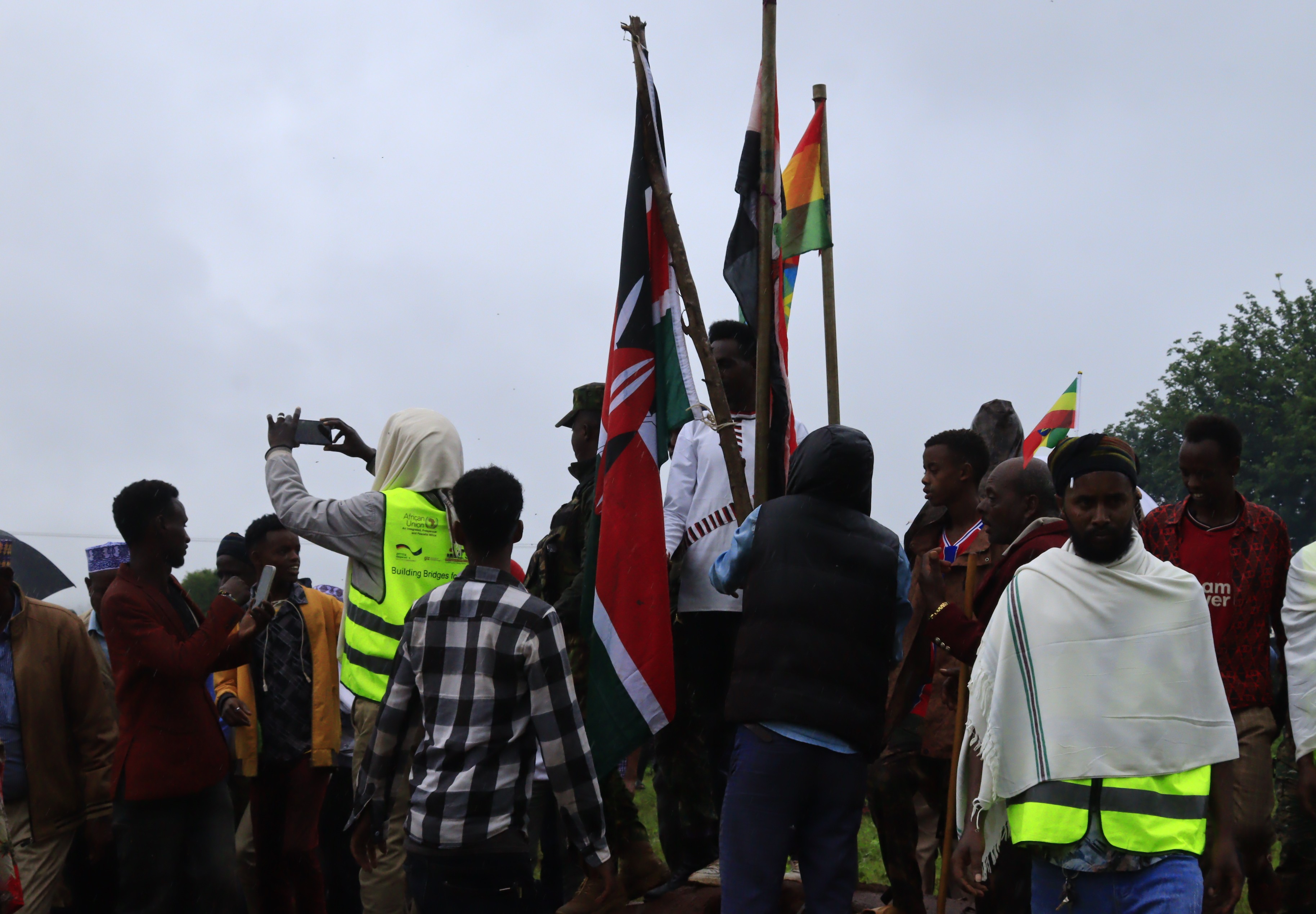 Miyo
residents welcome guests at the Dukale market in Ethiopia. /STEPHEN ASTARIKO
Miyo
residents welcome guests at the Dukale market in Ethiopia. /STEPHEN ASTARIKO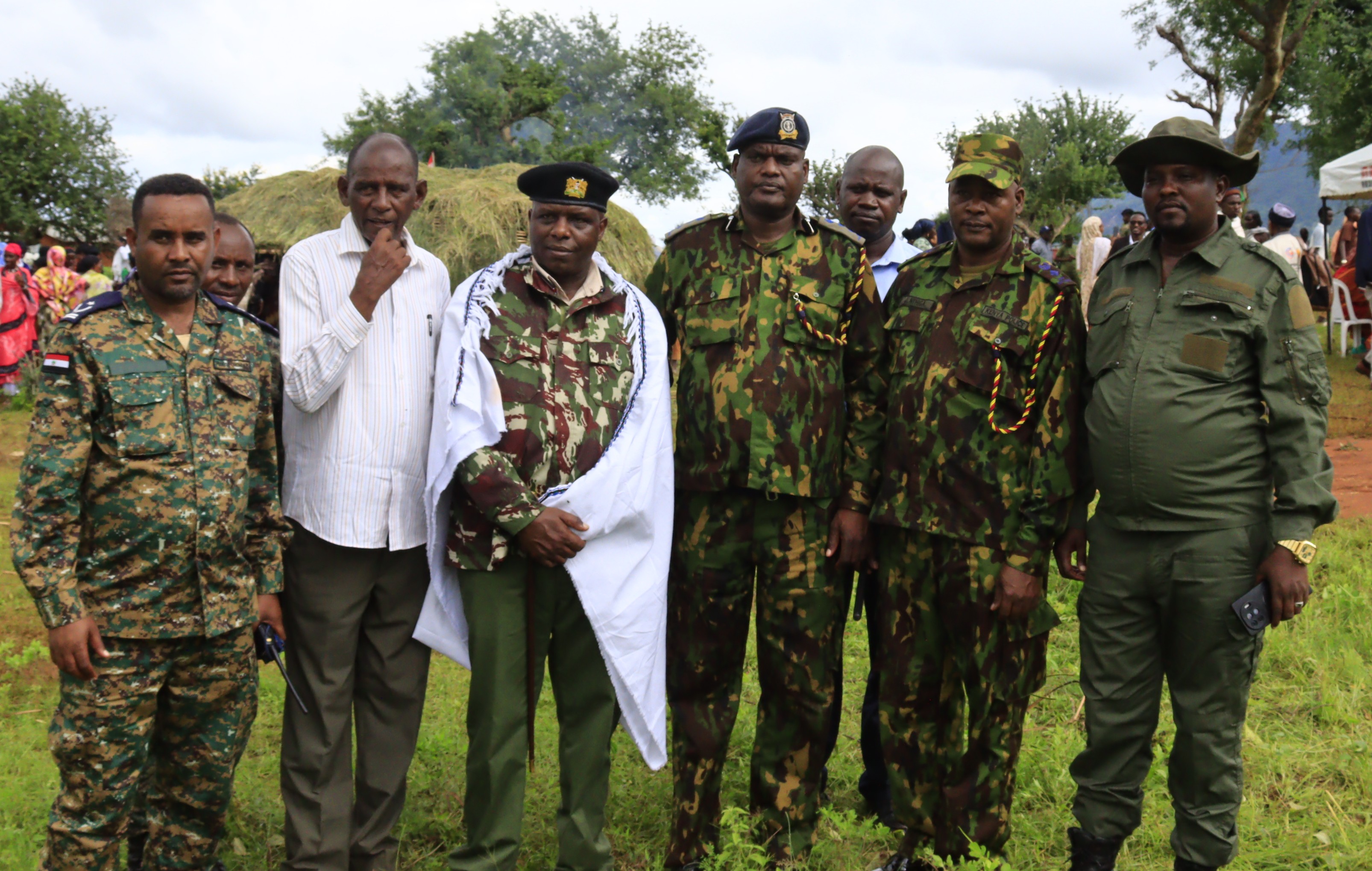 Administrators from Ethiopia and Kenya during a press
briefing at Dukale market in Ethiopia. /STEPHEN ASTARIKO
Administrators from Ethiopia and Kenya during a press
briefing at Dukale market in Ethiopia. /STEPHEN ASTARIKO![[PHOTOS] The new Ngong –Naivasha Road viaduct](https://cdn.radioafrica.digital/image/2026/06/64d4f771-4432-4aee-ba3c-2f304c4436ec.jpg)







![[PHOTOS] 'Mr Speaker Sir' Gen Z protester in court](https://cdn.radioafrica.digital/image/2026/06/b3e62d8e-25c3-4780-90f9-4eb48b1ce8a7.jpg)