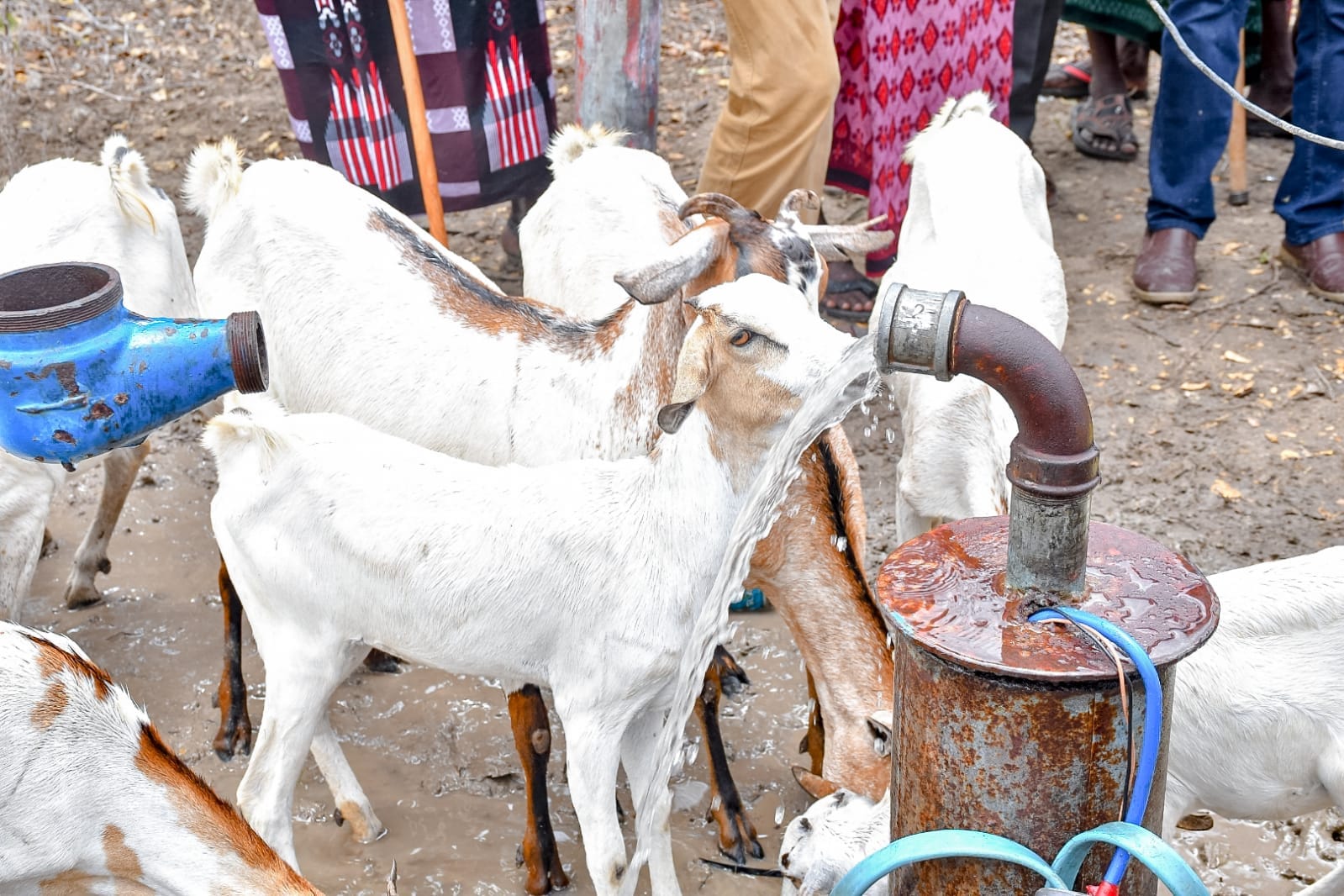
 Goats drinking water from a pan in Wajir North.
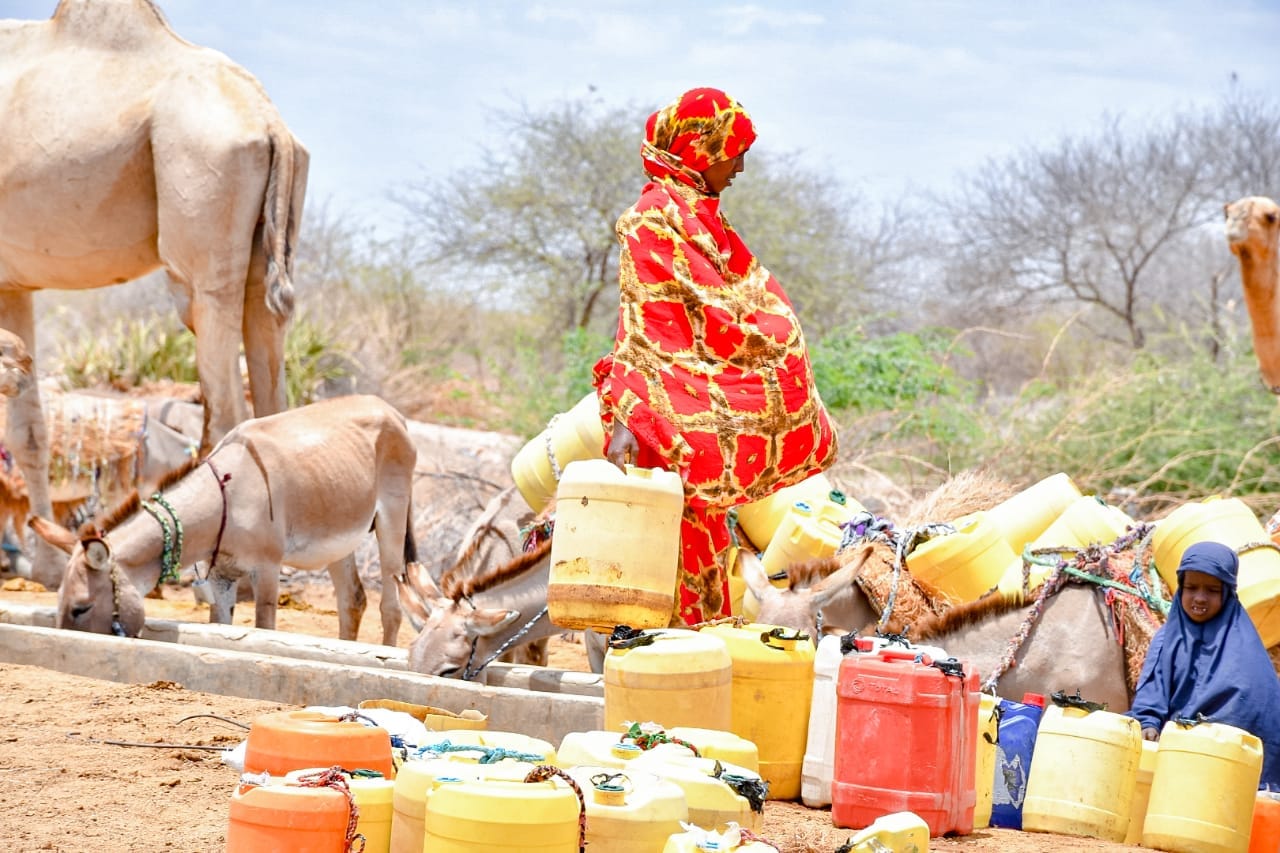 Residents of Wajir North sharing a water pan with livestock.
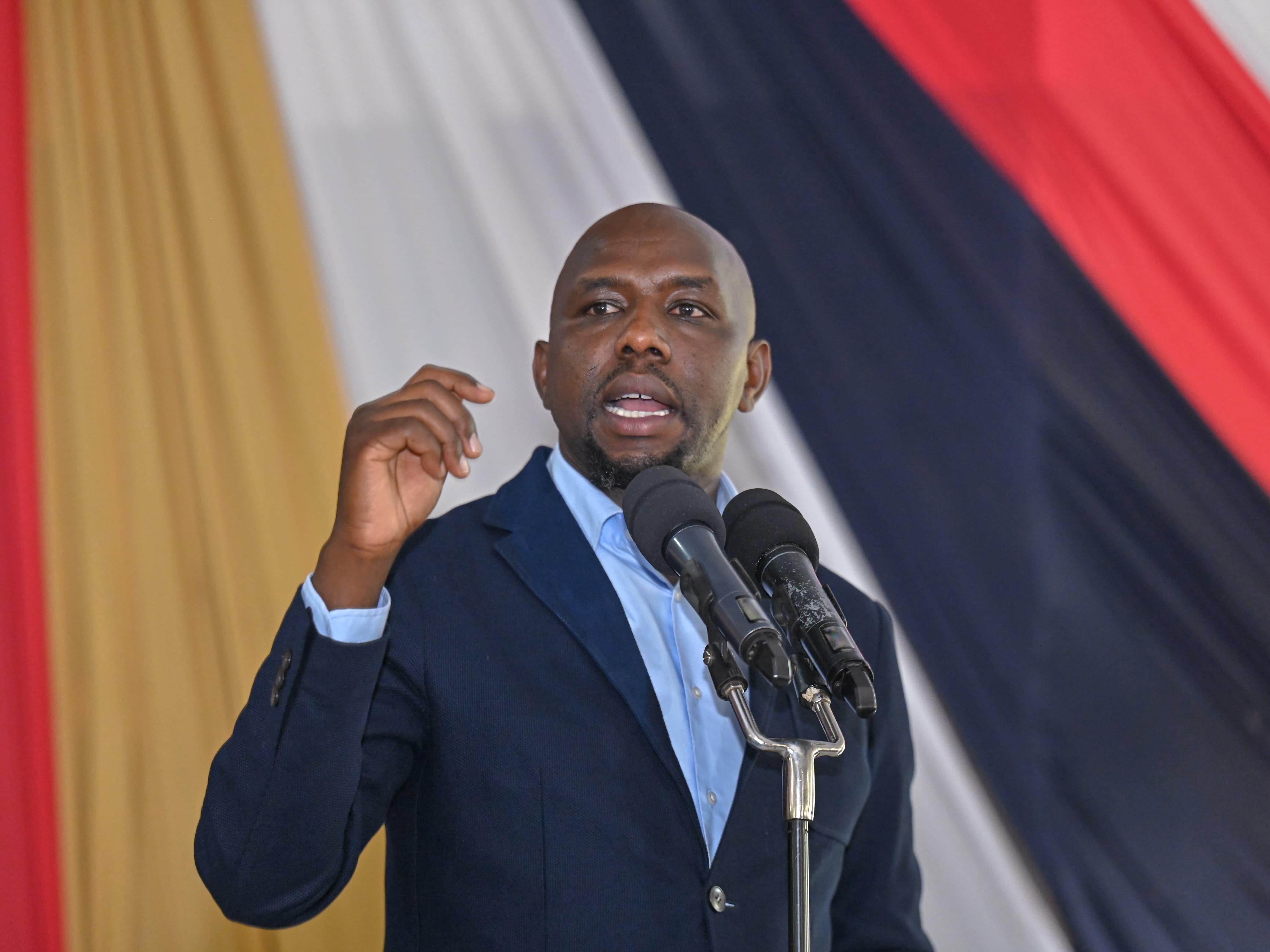
Wajir Governor Ahmed Abdullahi has sounded an alarm over the rapidly deteriorating drought situation in the county, warning that conditions are worsening much earlier than expected.
Speaking to the press in his office on Friday, Abdullahi said livestock in many parts of Wajir is already too weak to make it to the next watering points.
Abdullahi who also chairs the Council of Governors, noted that this was a worrying indicator that the dry season could be more severe than in previous years.
This crisis has been intensified by the failure of three consecutive rainfall seasons—the October–December 2024 rains, followed by the complete failure of both the March–May and the October–December 2025 seasons.
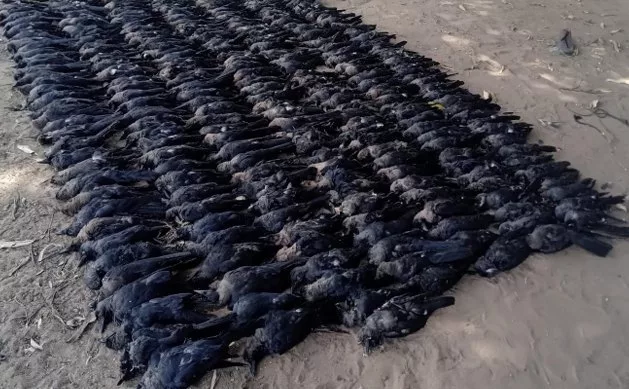
The cumulative impact has left water sources depleted, livelihoods disrupted, and families struggling to cope.
“We normally start feeling the real heat in mid-January, but now we are in early December, and the situation is already alarming. The situation is extremely alarming and it will only get worse,” Abdullahi said.
The governor said leaders from the northern region are currently engaging the national government to seek urgent intervention to save lives and livelihoods.
As part of the county’s response, Abdullahi announced he will be chairing a County Steering Group meeting to bring together all relevant departments and stakeholders.
The meeting he noted will require each department to outline its preparedness, ongoing interventions and plans for the remainder of the dry season.
Abdullahi called on key sectors — including water, health, livestock and decentralised units — to step up their efforts during the crisis, stressing the need for efficient coordination and prioritisation.
He also cautioned officials in charge of water trucking to ensure the emergency resource reaches the most vulnerable communities rather than individuals with the means to fend for themselves.
“For example, if a whole village that depends on a water pan has no water, and then someone who can afford to buy his own truck of water to save his 500 cows is the one being prioritised, that is not right. This should be about saving the livelihood of the common man,” Abdullahi said.
His remarks come just a day after Members of Parliament from the region urged the national government to declare the drought a national disaster, citing rising distress among pastoralist communities.
Speaking to the press in Nairobi, the MPs led by Eldas MP Adan Keynan said the region is grappling with severe drought conditions, saying once it is declared a national disaster, it will receive better humanitarian support.
“Declaring drought a national disaster would unlock additional emergency funding, streamlining humanitarian support and enabling international partners to scale up interventions,” Keynan said.
The October-December short rains have been notably below average, exacerbated by La Nina and negative Indian Ocean Dipole, which have led to higher-than-normal temperatures and suppressed rainfall across the region.
Latest projections show at least 1.2 million people across the region could be affected as water sources continue to dry up, pasture diminishes and livestock deaths increase.