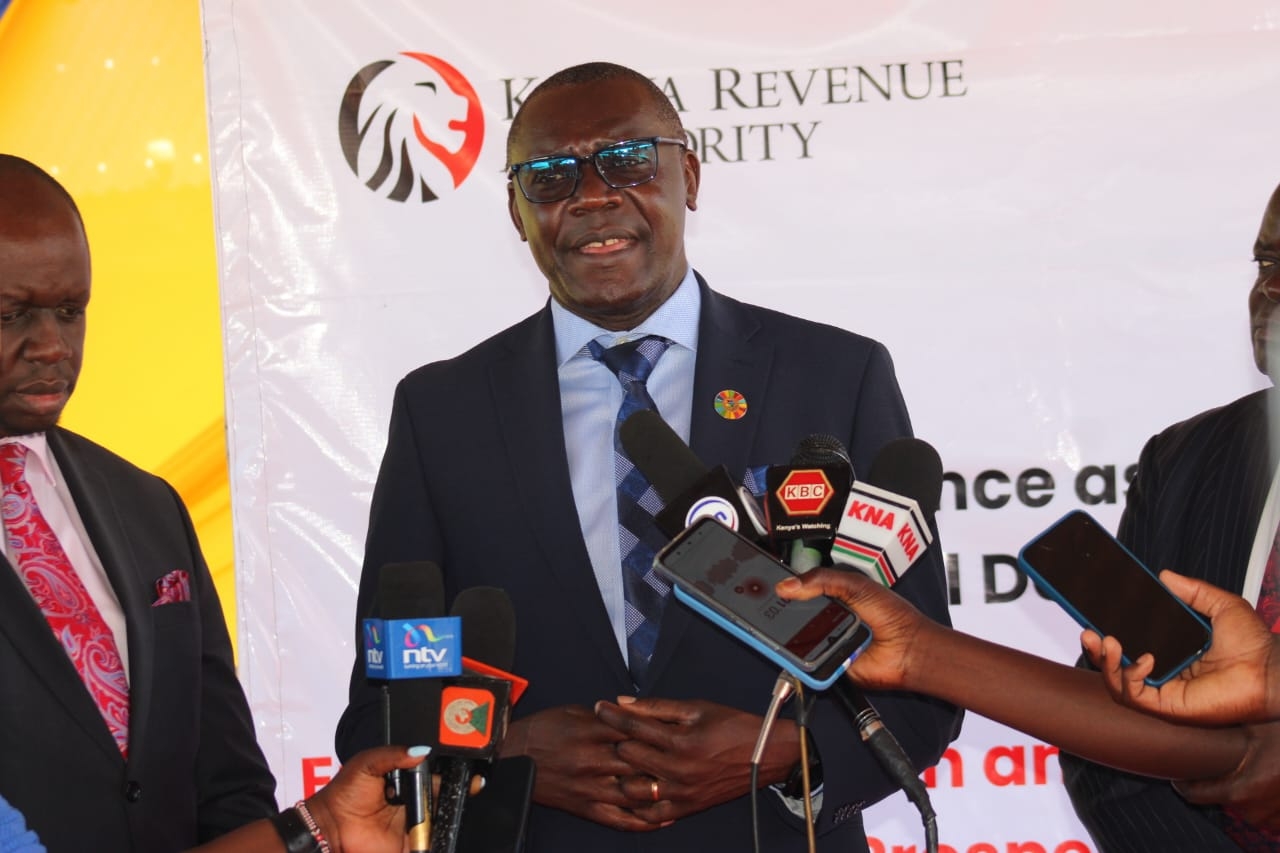


 Nairobi Governor Johnson Sakaja./FILE
Nairobi Governor Johnson Sakaja Cabinet has approved the introduction of two monthly Menstrual Health Days for women employees, formally adopting the policy within Nairobi City County’s human resource framework.
The approval followed a Cabinet meeting chaired by Governor Sakaja, which sought to anchor menstrual health support in county HR policies to enhance staff wellbeing and productivity.
The memorandum notes that menstrual health challenges, particularly dysmenorrhea, significantly affect women’s wellbeing and work performance.
Studies cited show that between 65 and 80 per cent of women experience menstrual pain, with many reporting symptoms severe enough to reduce productivity.
Women account for more than half of Nairobi County’s workforce, meaning the impact is reflected in reduced efficiency, increased presenteeism and compromised service delivery.
Previously, menstrual health was not recognised in existing HR policies, often forcing women to report to work while unwell.
The newly approved policy addresses this gap by allowing two monthly Menstrual Health Days without imposing additional financial costs on the county.
According to the Cabinet position paper, the policy is evidence-based and aligns with the county’s commitments to gender equality, decent work and inclusive governance.
It notes that even modest recovery of productivity losses would result in significant institutional benefits.
Implementation will be led by the Public Service Management subsector in collaboration with the County Public Service Board. Clear guidelines and sensitisation measures will be rolled out across all departments.
Monitoring will be integrated into existing HR performance and employee wellbeing systems.
Measures will be put in place to safeguard the privacy and dignity of female staff, including confidentiality, no negative impact on performance appraisals, and operational continuity through shift swaps and relief rosters for essential services.
Several countries have established menstrual leave entitlements, including Zambia, Japan and South Korea, where the law provides for one day of menstrual leave per month. Indonesia allows two statutory days, while Spain introduced a similar policy in 2023