

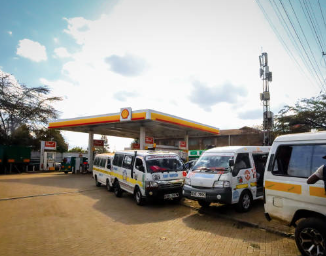
The Nairobi City County Assembly Transport Committee has issued a seven-day ultimatum to Governor Johnson Sakaja’s administration to evict all public service vehicles (PSVs) operating from fuel stations.
The committee said the use of petrol stations as matatu stages is illegal and poses a grave danger to the public, warning that immediate action is necessary to avert a potential disaster.
The ultimatum follows weeks of inquiry triggered by complaints from residents who raised concerns over safety risks linked to matatus crowding fuel stations.
During its investigations, the committee held consultations with the Energy and Petroleum Regulatory Authority (EPRA) and the National Transport and Safety Authority (NTSA).
Both agencies confirmed that PSVs operating from petrol stations are in violation of existing laws and safety standards.
Committee chairperson Musango Maithya said members are acting firmly within their oversight mandate and will not allow the situation to persist.
“We are giving EPRA, the National Transport and Safety Authority (NTSA), and the County Executive seven days to remove all PSVs operating within fuel stations in Nairobi. It is against the law and poses a serious danger to members of the public. We shall not sit back, cross our arms, and wait for tragedy,” Maithya said.
In recent years, matatus have increasingly turned petrol
stations—especially those in the central business district—into informal
stages.
Operators argue that the forecourts provide space, visibility, and quick access to passengers in a city where designated termini are often congested or poorly managed.
The open layout of fuel stations also enables crews to load passengers swiftly while evading county enforcement officers who patrol official stops.
However, the practice has become a major safety concern. Fuel stations are classified as high-risk zones due to the presence of flammable products, and the congregation of idling vehicles packed with passengers significantly elevates the risk of fire accidents.
The activity also disrupts normal fuel operations, inconveniences private motorists, and contributes to traffic snarl-ups on surrounding roads.
Despite enforcement efforts, the trend has persisted—largely due to weak oversight and collusion between some station attendants and matatu operators who benefit from the increased foot traffic.
Maithya also dismissed allegations by some sacco leaders that committee members had demanded bribes in exchange for leniency.
“We have seen certain sacco officials attempting to blackmail the committee through the media by alleging that they were asked for bribes. I wish to state categorically that these allegations are baseless and are aimed at jeopardising the committee’s firm stance on this issue. We are law-abiding citizens, and if any sacco official was asked for a bribe or any form of inducement, they should report the matter to the relevant agencies, including the nearest police station, for further action,” Maithya said.
Petrol stations affected by the growing matatu presence include those along Tom Mboya Street, Moi Avenue, and Ronald Ngala Street, among other busy city corridors.
The committee has vowed to ensure full compliance once the seven-day deadline lapses.