

The National Council of Churches has appealed to the task force probing operations of religious organisations in the country to make recommendations that do not infringe on freedom of worship.
In a memorandum to the task force, they said the deaths at Shakahola were a crime that resulted from the failure of security agencies to act on reports that were made to them.
As such, they asked the probe team to propose legal amendments to enable law enforcement agencies to more effectively tackle crimes arising from religious extremism.
"We, therefore, urge your Taskforce to make recommendations that promote rather than curtail the exercise of the freedom of religion on account of failure by state agencies," NCCK said.
The Task Force on the Review of Legal and Regulatory Framework Governing Religious Organisations was established following the saddening deaths of hundreds of Kenyans at Shakahola as a result of the actions of the Good News International church led by Paul Mackenzie.
The death toll has thus far crossed the 400 mark. The 17-member committee probing the deaths is chaired by Reverend Mutava Musyimi.
NCCK said the Constitution grants Kenyans unfettered freedom to manifest any religion or belief through worship, practice, teaching or observance, including of a day of worship.
The group cautioned that attempts to define citizens exercising their freedom of worship as sects or cults would infringe on those rights.
"It is our considered finding, Honorable Chair, that an attempt to limit or regulate sects and cults would be an infringement on the rights of the persons who hold or seek to hold such beliefs."
Among NCCK's recommendations is the institution of legal, institutional and governance changes to prevent religious extremist organisations, sects or cults that risk public health and safety.
They also called for sensitisation of Kenyans on how to identify, avoid or leave religious extremist organisations and the development of a mechanism for them to report such outfits.
NCCK also wants stiffer checks and balances regarding the certification of religious organisations and their leaders.
"Formulate proposals on standards and minimum certification requirements for all religious organisations and their leaders for them to be allowed to be registered and to operate in Kenya."
They further proposed that all religious outfits be obligated to submit annual reports on compliance including on their charity activities and source of funds as is required of other associations and organizations.
"We caution against policies that imply that being a religious organization is not a crime," they said.
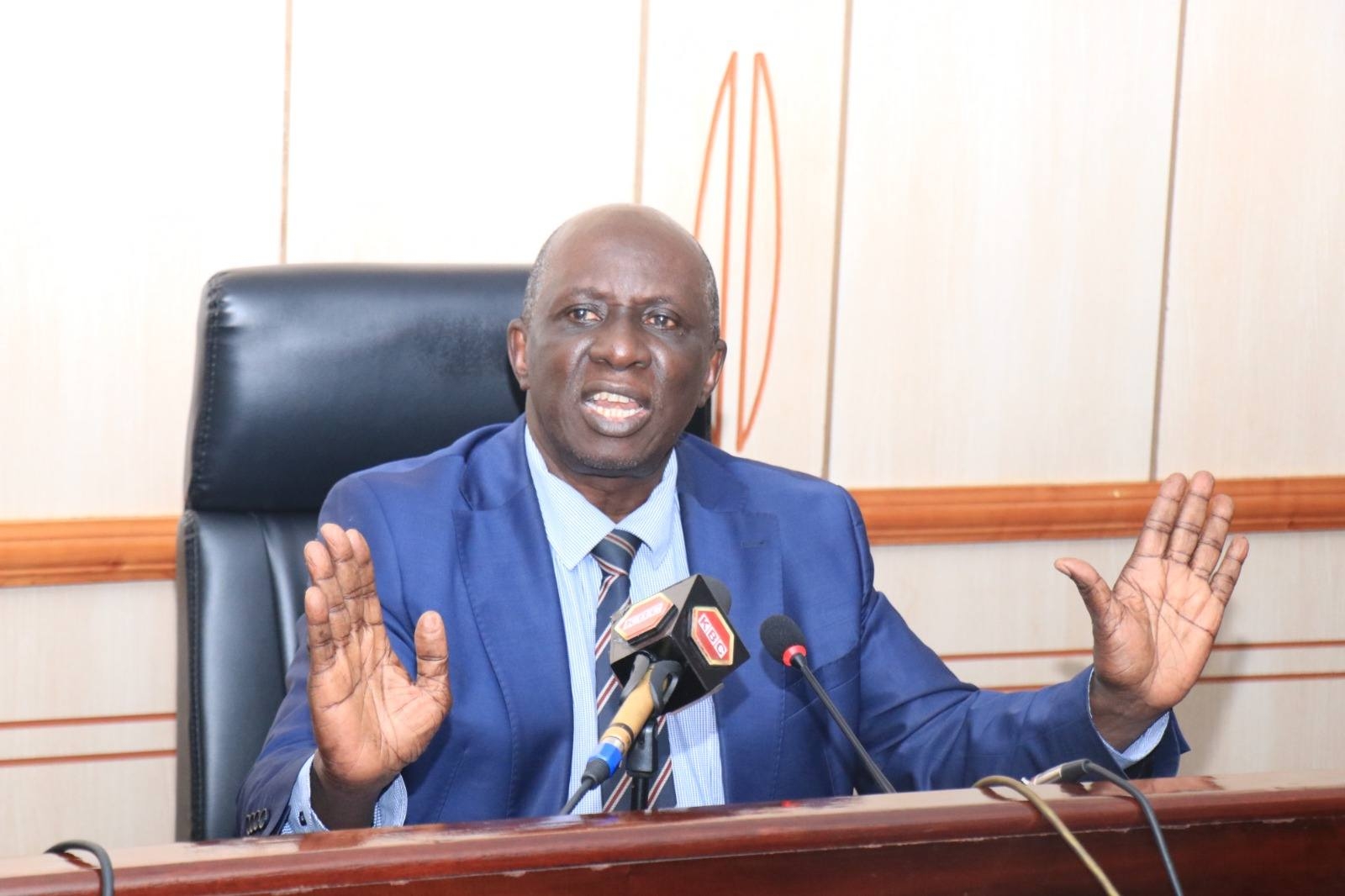
The team led chaired by Archbishop Timothy Ndambuki and Cannon Chris Kinyanjui as general secretary further urged the task force to recommend the appropriate action that should be taken against individuals suspected of founding, leading or being part of religious extremism.
"There should be no action taken against any Kenyan for exercising their freedom of religion. Action needs to be taken against every person who engages in criminal activity and such actions are already defined in the Laws of Kenya and the Penal Code."