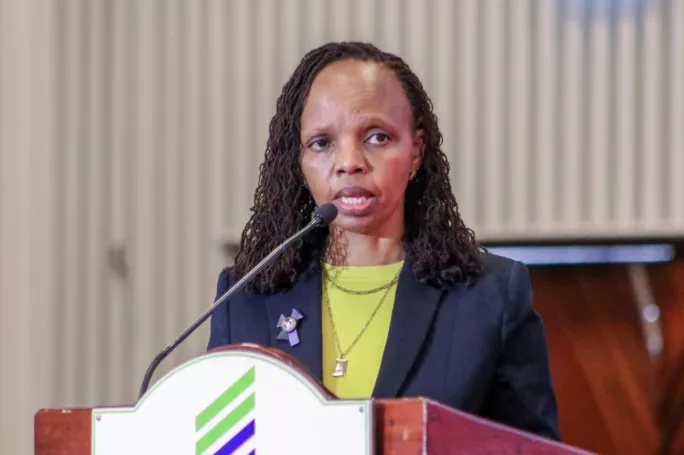
According to Unicef Kenya Representative Shaheen Nilofer, Sh2 billion has been received mainly for nutrition supplies, leaving a gap of Sh15 billion, or 86 per cent.
This comes as the country continues to bear the impact of prolonged drought, which has taken toll on children and women.
The target is to reach at least 300,000 people through emergency monthly cash transfers. Estimates show around 2.8 million people in drought-affected areas need monthly cash transfers to buy food and water, clothes, medicines, pay school fees and other daily essentials.
“Over 500,000 more food-insecure people have been identified in nine additional counties of Machakos, Homa Bay, Migori, Siaya, Elgeyo Marakwet, Kiambu, Nakuru, Kirinyaga and Murang'a,” Nilofer said.
She further estimated that more than 970,000 children under five and 142,000 pregnant and breastfeeding mothers now require urgent lifesaving treatment for malnutrition.
This is an increase from 884,000 in July 2022.
“Over 2.5 million children, especially adolescent girls and boys, need support to return to school,” she said.
Nilofer said the priority is meeting the immediate needs of children affected by the current drought and building resilience in drought affected areas.
The interventions such as construction of sand dams and solar powered water systems to provide access to water during times of drought, are key interventions to prepare the communities for future droughts, driven by climate change.
According to Unicef, an estimated 6.4 million people in the arid and semi-arid region of Kenya are food insecure and in need of humanitarian assistance, due to ongoing severe drought. Half of them are children.
This follows five consecutive poor or failed rainy seasons, driven by climate change.
Unicef has been supporting the government to scale up nutrition services and is distributing therapeutic milk and ready-to-use therapeutic food to health centres.
The UN agency has also played a key role in identifying and treating children and women with malnutrition in the hardest to reach areas, through mass screening.
“On the visit to Kajiado with US First Lady Jill Biden, we saw how tough the situation has become for many communities, including food and nutrition insecurity," she said.
“Increased funding in 2023 will allow us to respond to children’s urgent needs for nutrition and water, keep them protected and in school, and build communities’ resilience to deal with future droughts.”
Working with partners, Unicef is also supporting children to return to school through community engagement and enrolment campaigns as well as providing child protection services to vulnerable children.
This includes psychosocial support and parenting support to prevent violence, family separation and to mitigate the impact of the drought on caregivers’ and children’s mental health and psychosocial well-being.
Last week, experts predicted that most parts of the Greater Horn of Africa are expected to receive below-normal rainfall over the next three months.
The Igad Climate Prediction and Applications Centre during their latest climate outlook released on Wednesday said the forecast for the March to May 2023 season points towards depressed rainfall and high temperatures.
The Food Security and Nutrition Working Group co-chaired by IGAD and FAO, estimates that close to 23 million people are currently highly food insecure in Ethiopia, Kenya, and Somalia.
-Edited by SKanyara