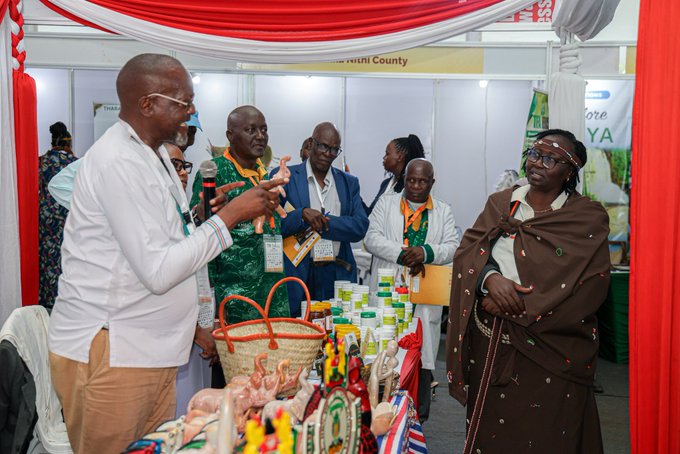
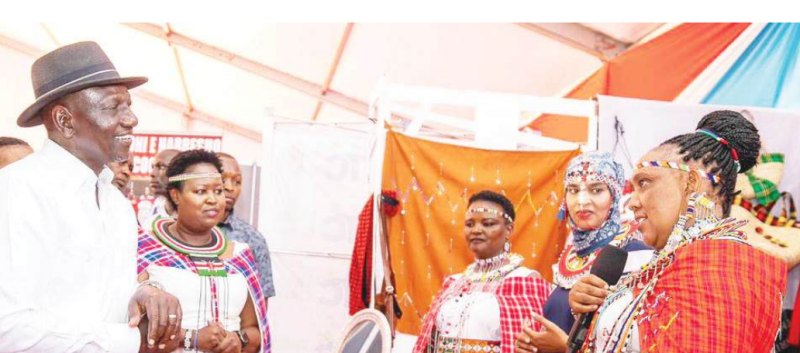
 Hannah Wendot, Gender, Culture and Social Services Cabinet Secretary, during the International Indigenous Knowledge conference held in Murang'a on April 23, 2026/ ALICE WAITHERA
 The government has started an initiative to unlock economic potential in local indigenous knowledge systems, positioning them as a new frontier for growth and investment.
Through the National Museums of Kenya, the government has launched the Natural Products Industry programme to shift the focus from preservation of heritage to its practical use in driving enterprise, innovation and livelihoods.
Stakeholders said the initiative marks a turning point in how the country values its cultural and traditional resources.
They spoke during the 1st International Investment Conference and Trade Fair on Indigenous Knowledge Intellectual Assets (IKIA 2026), held from April 21 to April 23 in Murang’a county.
The forum brought together investors, researchers, policymakers and community knowledge holders to explore ways of transforming indigenous knowledge into commercially viable products and services.
National Museums of Kenya chairperson Edwin Abonyo noted that the country is now moving beyond documentation of heritage to actual production and utilisation of indigenous knowledge.
“We are transitioning from preservation to production. This knowledge is no longer just for storage; it is something we can use to transform our economy and improve livelihoods,” he said.
The initiative builds on years of groundwork under the Indigenous Knowledge Documentation and Digitisation project, which has already captured over 800 heritage assets across 13 counties.
These include traditional foods, herbal medicine, cultural performances, heritage sites and indigenous technologies that have long existed within communities but remained largely informal and underutilised.
He said with proper research and standardisation, these remedies could complement modern healthcare systems while opening up new investment opportunities.
Abonyo observed that many of these practices were once common but have gradually declined over time. “We used to have our own foods, our own medicines and ways of living. For various reasons, we moved away from them. What we are doing now is rediscovering and refining that knowledge,” he said.
He, however, noted that challenges such as changing perceptions and ensuring communities fully embrace the programme while adequately protecting the assets will have to be addressed. He added that the foundation has already been laid.
“We have made significant progress, and now we have an opportunity to bring everything together. If we do this right, we can create a sustainable economic sector built on our own knowledge,” he said.
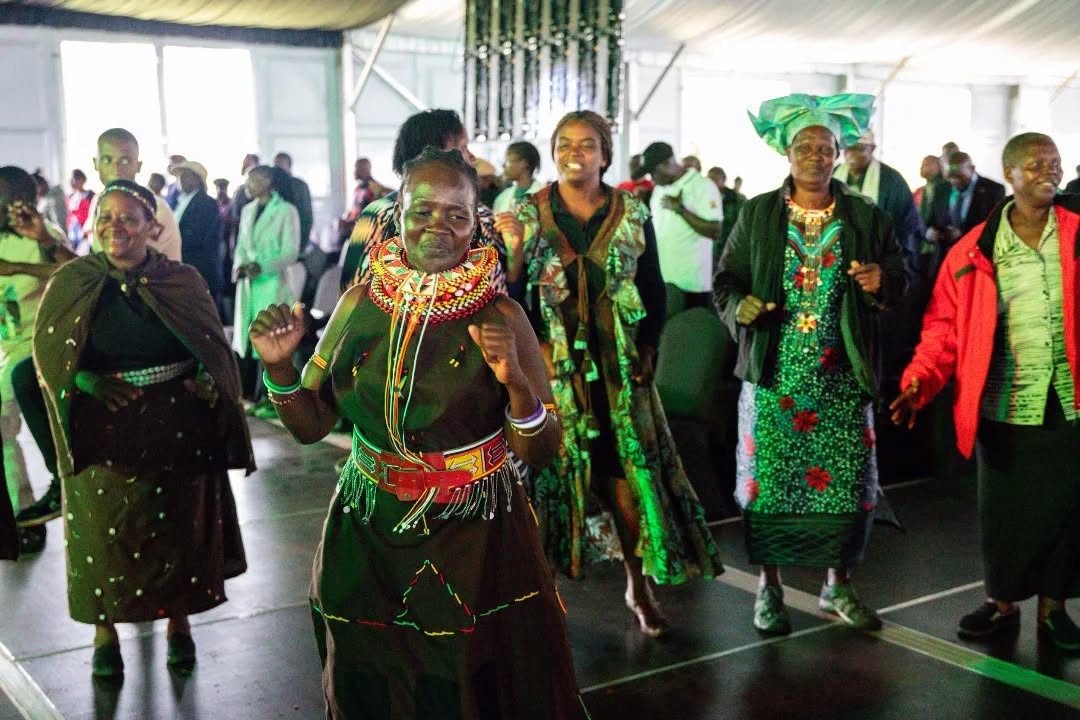 Women dressed in traditional attire dancing during the International Indigenous Knowledge conference held in Murang'a between April 21 and April 23, 2026/ ALICE WAITHERA
 Gender, Culture and Children Services CS Hanna Wendot
Cheptumo said the conference signals a deliberate shift in economic thinking.
![[PHOTOS] The new Ngong –Naivasha Road viaduct](https://cdn.radioafrica.digital/image/2026/06/64d4f771-4432-4aee-ba3c-2f304c4436ec.jpg)




![[PHOTOS] 'Mr Speaker Sir' Gen Z protester in court](https://cdn.radioafrica.digital/image/2026/06/b3e62d8e-25c3-4780-90f9-4eb48b1ce8a7.jpg)