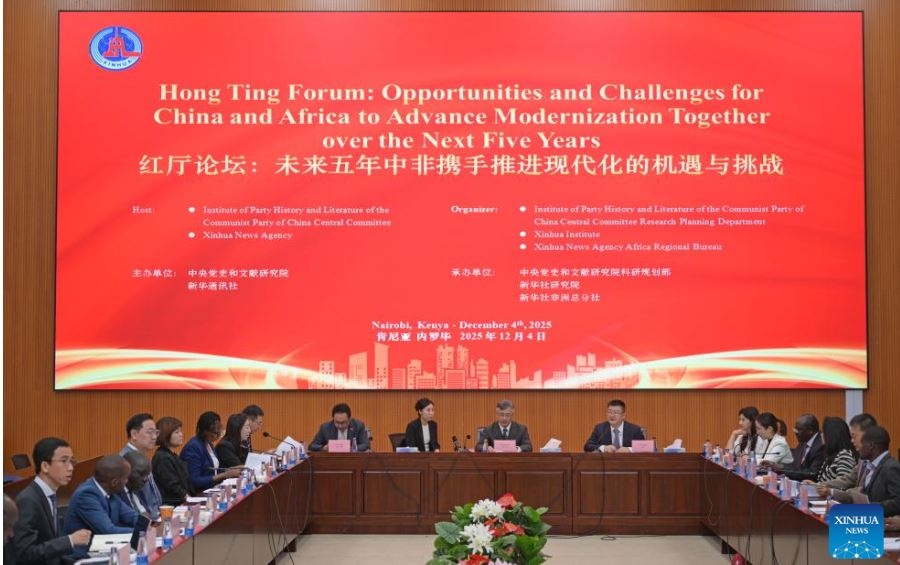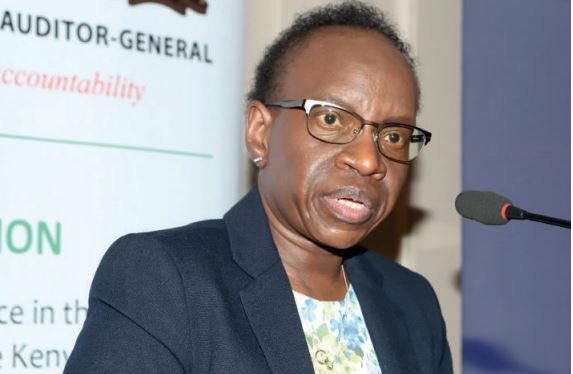


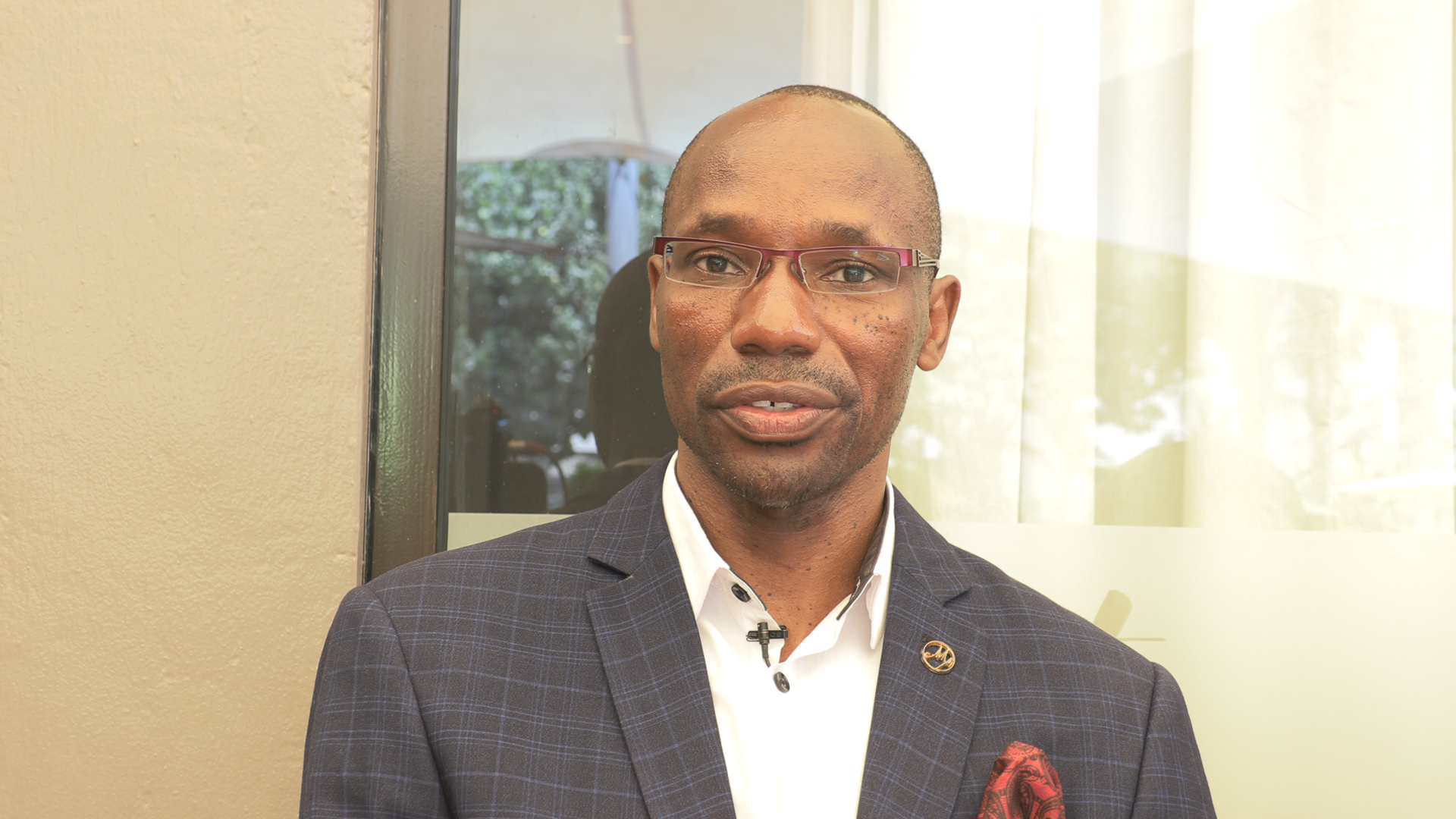
 Cyrus Maweu, Deputy Director at the Kenya National Commission on Human Rights (KNCHR), during a Strategic Litigation Workshop on the National Intersex Persons Bill (2023)/ ALICE WAITHERA
For Omondi (not his real name), the news that his newborn child had both male and female reproductive organs came as a shock four years ago.
Living in Nairobi at the time, he rushed home to Migori, where villagers crowded his home with advice—some attributing it to witchcraft, others suggesting surgery to ‘correct’ the child.
The child’s early years were challenging, marked by frequent illness and delayed development.
After being counselled by an organisation supporting intersex persons, the family abandoned plans for surgery, leaving the choice of gender to the child in the future.
In another case in Migori, John (not his real name) discovered that his child, Sam (not his real name), initially identified as male, had female reproductive organs.
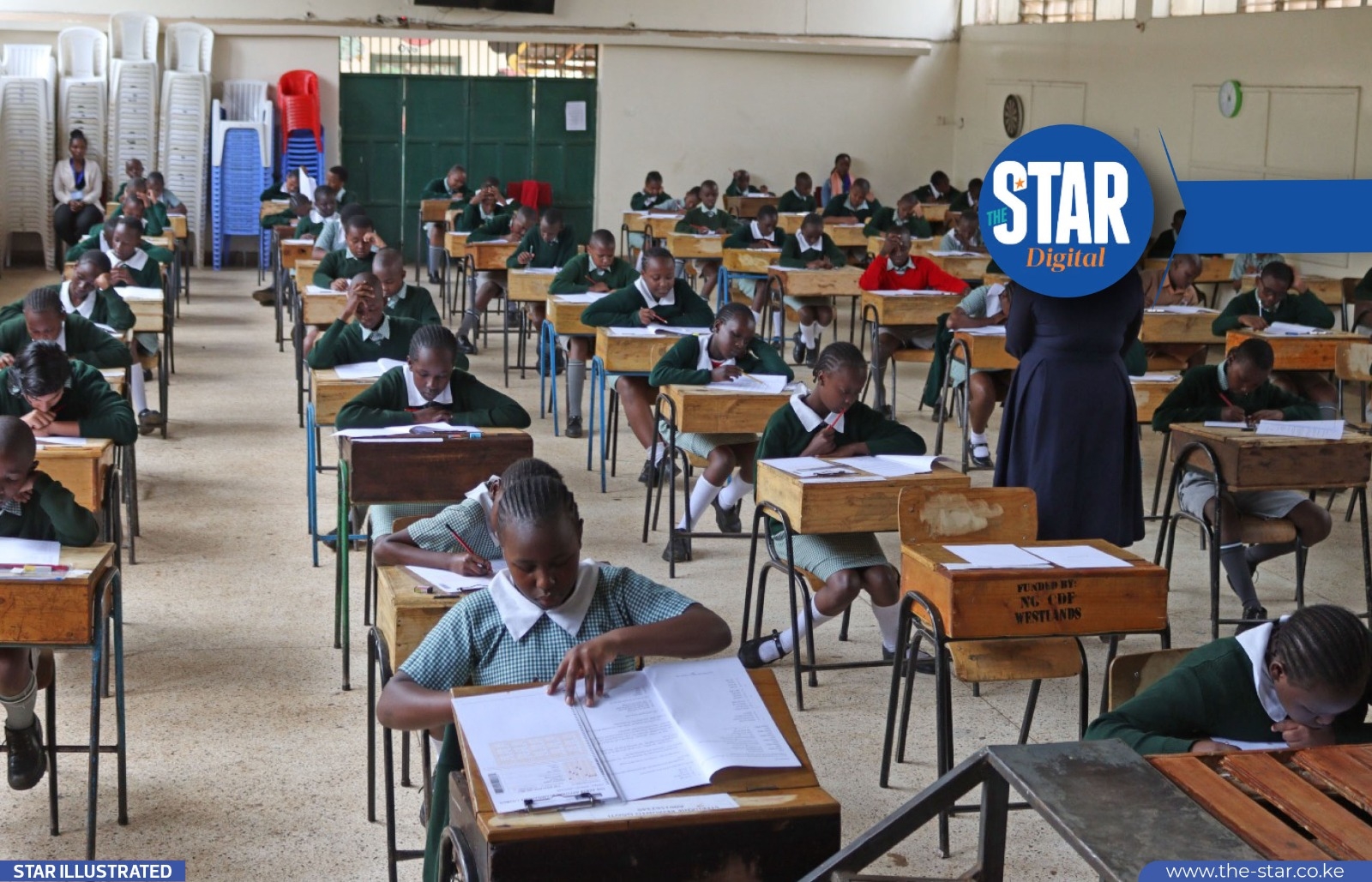
Sam faced challenges at school, struggling with clothing norms and social expectations.
With the support of intersex rights advocates, Sam continued with education and learned to navigate personal relationships, including falling in love.
Hunniel Samuel Chivatsi, co-founder of the Kenya Intersex Persons Consortium, shared their own experience growing up as intersex, including difficulties with school facilities, religion, employment and healthcare.
They emphasised that adolescence brings heightened challenges as the body changes, often creating confusion for families and communities.
Chivatsi highlighted the lack of awareness among medics, teachers and the general public and the absence of clear legal protections.
The National Intersex Persons Bill, 2023, drafted to address these gaps, stalled in Parliament, leaving intersex persons vulnerable to discrimination and exploitation.
Cyrus Maweu, deputy director at the Kenya National Commission on Human Rights, noted that poor legal frameworks leave many intersex persons unable to access essential services or protection.
Cases include denial of appropriate prison facilities and lack of recognition in education and employment.
Advocates, including Hivos and the World Post Changers Network, are pushing for the enactment of the Bill, emphasising awareness creation and protection of the rights and dignity of intersex persons.
Instant Analysis
According to KNCHR’s Cyrus Maweu, without proper legislation and awareness, families, schools and healthcare providers are often unprepared to respond, leaving intersex individuals vulnerable to stigma, discrimination and poverty.