Treasury data, which has broken down the bills for the first time, shows that of the huge sum, state agencies are yet to remit Pay as You Earn (PAYE) to the tune of Sh9.2 billion.
According to a Treasury document obtained by the Star, at least Sh166 billion is owed to contractors who executed various projects at the agencies.
Details further show that parastatals had as of December 2022 not paid suppliers Sh115 billion with unspecified pending bills amounting to Sh82 billion.
The entities further owe Sh21.8 billion in unremitted pensions, Sh2.9 billion in staff loans, and Sh991 million in unremitted sacco deductions.
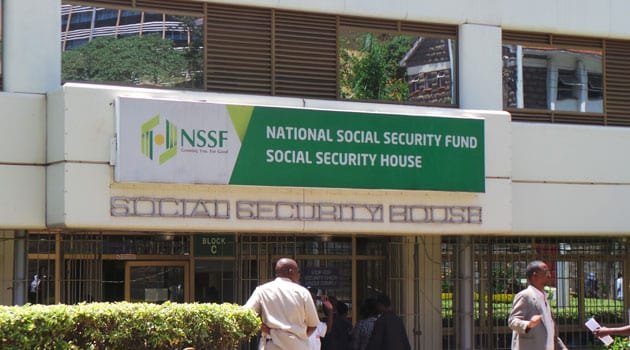
State-owned agencies, the details show, are also yet to pay the National Social Security Fund Sh95 million and Sh72 million to the National Hospital Insurance Fund.
The Kenya National Highways Authority and Kenya Urban Roads Authority alone owed about Sh116 billion as of December 31, 2022.
KeNHA’s debt amounted to Sh70 billion while that of Kura was to the tune of Sh46 billion, with their rural roads counterpart Kerra owing Sh47 million.
Pending bills have been the subject of national discourse, begging the question of how much unpaid amounts are adversely affecting the economy.
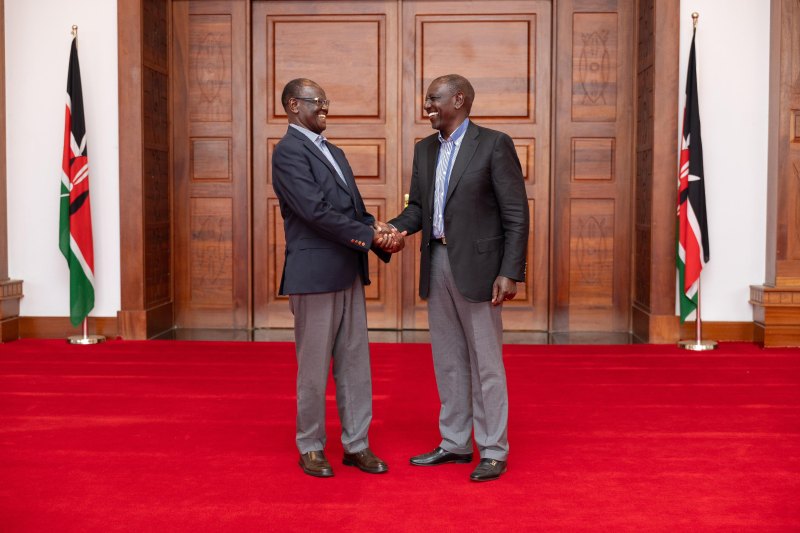
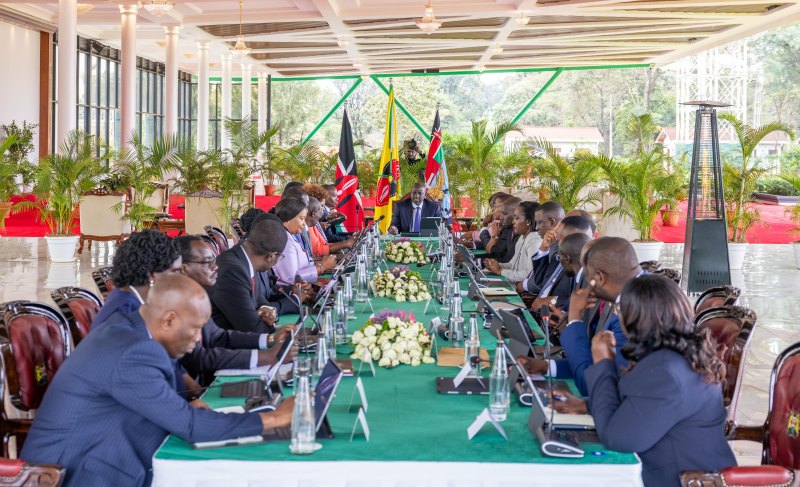
Key figures in the President William Ruto’s Kenya Kwanza administration said the debt situation is slowing down their plan.
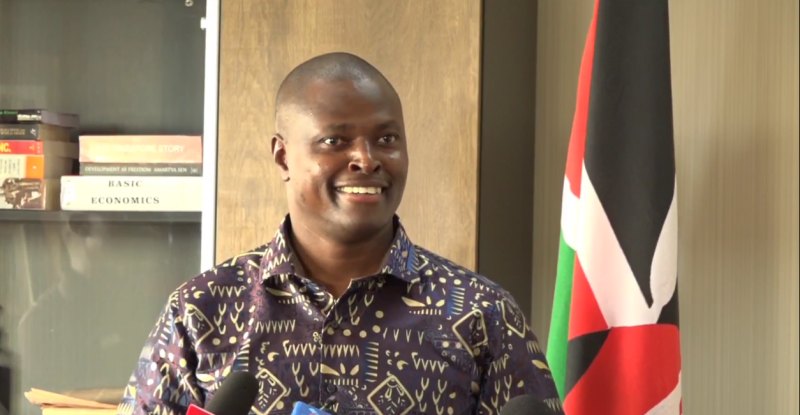
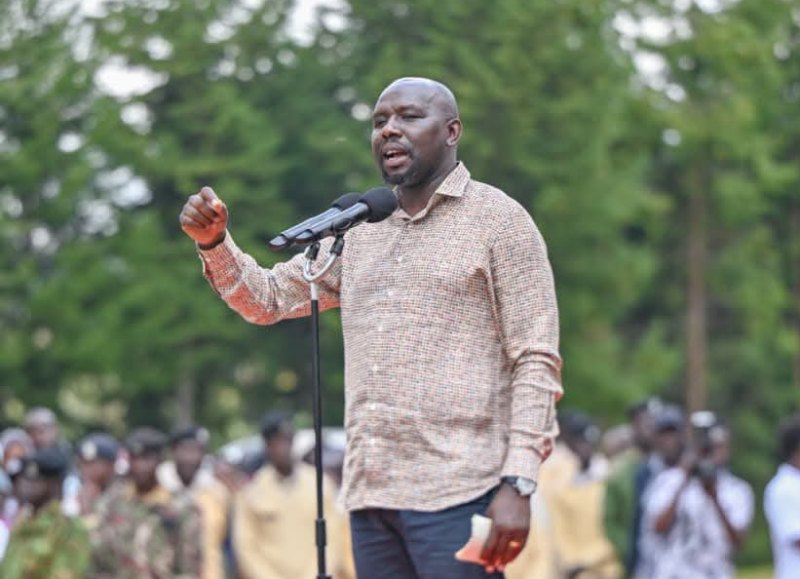
Transport Cabinet Secretary Kipchumba Murkomen in a statement on Thursday blamed the Uhuru Kenyatta administration over the bills.
He said the huge pending bills had affected the implementation of Kenya Kwanza’s infrastructure agenda.
“The huge pending bills that have accumulated over the past two years have resulted in stalled road projects across the country,” Murkomen said.
The energy sector accounted for the second highest portion of the bills at Sh86 billion, largely for projects and suppliers.
In the lot, Kenya Power has the biggest share at Sh74 billion in respect of pending payments to suppliers.
Ketraco, for its part, is yet to settle Sh9 billion that it owes contractors handling flagship electricity projects.
KenGen owed suppliers Sh1.4 billion as of December 2022, whereas Geothermal Development Company was yet to settle Sh1.9 billion.
For the Petroleum sector, the National Oil Corporation of Kenya (Nock) is chocking with Sh3.6 billion in pending bills.
A recent report by Auditor General Nancy Gathungu raised concerns that the entity is broke and could be using investors’ money to sustain its operations.
“The corporation is, therefore, technically insolvent and its continued existence as a going concern is dependent upon the financial support of the government, bankers and its creditors,” the auditor said.
Among other big debtors include Kenya Railways, which is yet to pay up Sh28 billion, with Kenya Airports Authority following closely with Sh21 billion remaining unpaid.
Cash-strapped Postal Corporation of Kenya, the documents show, was yet to settle pending payments to the tune of Sh5.7 billion.
Kenya Broadcasting Corporation (KBC) has pending bills of Sh4 billion comprising of PAYE (Sh325 million), Sh2.5 billion in pension arrears, Sh705 million in unspecified outstanding payments, and Sh315 million for suppliers.
For the sugar firms, Nzoia alone owes Sh55 billion with the data indicating it is yet to remit PAYE to the tune of Sh1.1 billion with another Sh52 billion whose origin was not unspecified.
Chemelil Sugar, which is in the thick of a cash-flow crisis, is yet to settle Sh5.9 billion including Sh1.3 billion for PAYE and Sh1.06 billion for suppliers.
The data shows that the Tea Board of Kenya has a Sh3.3 billion debt with Mumias Sugar also yet to pay up Sh450 million in pension arrears.
Kenya Wildlife Service had a debt of Sh1.5 billion and Sh2.3 billion in the case of the Kenya National Examinations Council (Knec).
For universities, the Treasury disclosures reveal that Egerton is yet to settle Sh6.6 billion, Sh6.7 billion for Jomo Kenyatta University of Agriculture and Technology, Sh7 billion in Kenyatta University’s case, and Sh1.12 billion in respect of Maasai Mara university.
Multimedia University had a pending bill of Sh1.3 billion, Sh4.3 billion for the case of Moi University with the Media Council stated as having owed Sh4.9 billion.
Other huge debts in the education sector were reported at Kenya Literature Bureau (Sh694 million), and Sh824 million for the case of Kisii University.
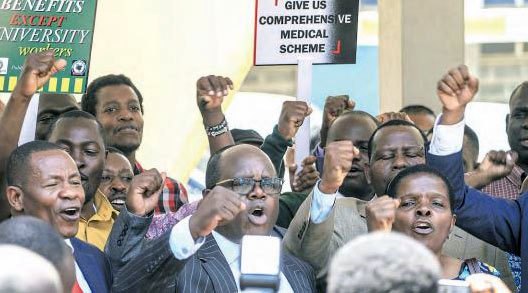
For Nairobi University, the details show that the Prof Stephen Kiama-led institution has a debt of Sh5.5 billion in PAYE remittances and Sh5.7 billion in pension areas.
East Africa Portland Cement, which is among agencies in the industrial sector, was found to have debts having piled up to Sh9.1 billion.
Pending bills with respect to agencies in the water sector stood at Sh7.1 billion during the period under review.
This comprised Sh2.3 billion owed by the National Water Harvesting and Storage Authority and Sh2.3 billion for the case of the Water Resources Authority.
Medical equipment supplier Kenya Medical Supplies Authority is yet to pay Sh3 billion owed to contractors and suppliers whereas the National Cereals and Produce Board is yet to settle Sh753 million.
Local Authorities Pension Trust was yet to settle pending bills to the tune of Sh8.2 billion while Kenya Forest Service had Sh4 billion remaining unpaid as of December 2022.
The supplementary budget okayed by President Ruto recently provided Sh60 billion for pending bills.
He said the move will ensure uninterrupted service delivery, but most of it was in respect of bills owed by the national government ministries, departments and agencies (MDAs).
The latest Treasury data showed that national government agencies owed Sh80.3 billion with county governments having a whopping Sh156 billion still pending.
Ruto’s team, according to a report by the Controller of Budget covering the first six months of the current fiscal year, had only settled Sh3.6 billion in pending bills by MDAs.
Some bills to the tune of Sh1.87 million were found ineligible for payment during the period in question.
“The Controller of Budget recommends that all MDAs and state corporations prioritize settling the eligible pending bills to avoid further accumulation,” COB Margaret Nyakang’o said in the report.
Last year, the bills owed by state corporations were to the tune of Sh467 billion, meaning the amounts are likely to grow further.
“The government is negatively impacted by low revenue due to delays in tax submission and trust by the suppliers. The country’s overall economic growth is thereby negatively impacted,” Nyakang'o said.
A separate report by the Controller of Budget showed that the 47 counties — executives and assemblies had not paid bills of Sh153 billion as of June 30, 2022.
Of these, Sh151 billion were owed by county executives while Sh1.3 billion were owed by county assemblies.
In terms of vote heads, Sh131 billion was for development projects while Sh22 billion was for unpaid suppliers of goods and services.
The IMF had recommended that some of the agencies be merged so as to consolidate resources for their operations hence enhancing their liquidity.