On February
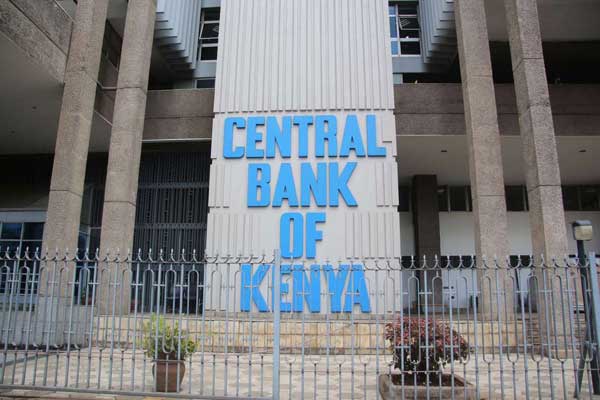
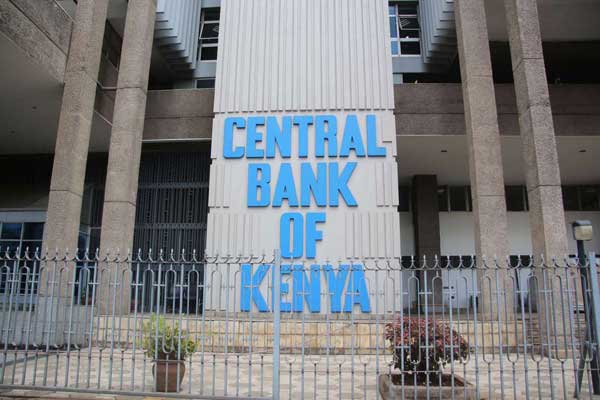
10, the Central Bank of Kenya made its tenth consecutive reduction to the
Central Bank Rate, lowering it from 9.00 per cent to 8.75 per cent.
The reason
behind the move, which has been supported by the Monetary Policy Committee, is
to stimulate the issuance of credit to the private sector and to strengthen
economic growth in a period, when inflation remains subdued within the CBK’s
target band of 2.5-7.5 per cent.
The central tenet
of the decision is driven by monetary easing — a policy adopted when
inflationary pressures are contained and economic growth objectives can be
supported without jeopardising price stability. As the headline inflation
figure stood at 4.4 per cent in January, much lower than the policy
target, the Monetary Policy Committee concluded it will be possible to work on
the cost of borrowing and keep the macroeconomic environment steady.
The
downward adjustment in the interest rate corridor further tightens the link
between the policy rate and interbank market conditions, intended to strengthen
the transmission mechanism of monetary policy.
Hypothetically,
when a policy rate is decreased, the banks are supposed to obtain money at a
cheaper price, and this should be reflected in the commercial lending rate, according
to the standard macroeconomic theory. Cheaper credit reduces the hurdle rate
for businesses and households, encouraging investment and consumption — key
drivers of aggregate demand.
The current credit growth pattern at an estimated
rate of approximately 6.4 per cent per annum in January 2026, indicates a
low but consistent rise in borrowing by the private sector, which implies that
low borrowing rates are starting to favour borrowing activities.
It is important to
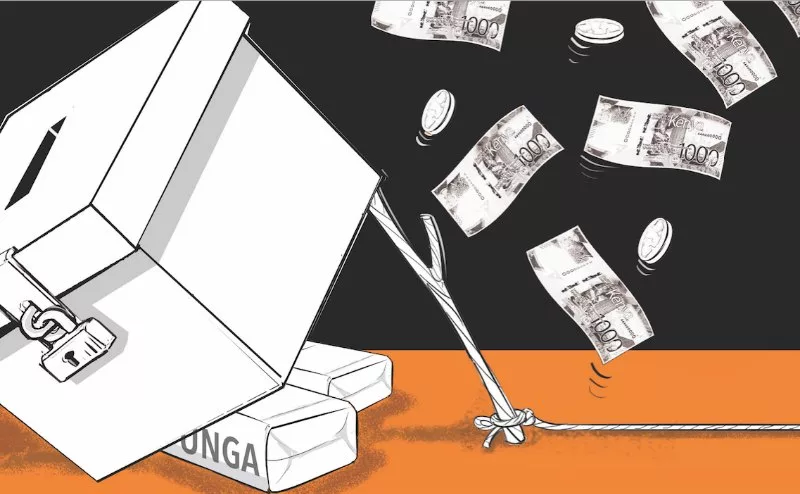
emphasise that lower lending rates do not directly increase disposable income.
A decline in the Central Bank Rate does not imply that people will just have
more money in their pockets.
Rather, it decreases the cost of borrowing or, in
other words, amidst those who opt to borrow credit, the cost of prices charged
to borrowing becomes lower. As it may have an indirect stimulatory effect on
the economy, it is not comparable to a fiscal transfer or wage increase. The
general awareness of this difference is vital in managing expectations of the
policy results.
In a monetary
economics viewpoint, the reduction of the policy rate would normally lead to
the clench of more liquidity in the economy, through the attraction of credit.
This subsequently has the potential of triggering aggregate demand since
consumers and businesses take loans to invest and consume the product.
A free
flow of credit increases the rate at which money circulates in the economy.
When this surge in demand surpasses the productive ability of the economy, it
may produce upward
price pressure, which may become a source of inflationary pressures in the
medium run.
The lower interest
rate environment also has implications for capital flows and the exchange rate.
With lower yields on fixed-income instruments, investors may seek higher
returns elsewhere, potentially exerting pressure on the Kenyan shilling.
However, in the current context of stable inflation and reasonable foreign
exchange reserves, major currency destabilisation risks are considered
manageable.
Furthermore, while cheaper
credit can support growth, it must be paired with structural reforms that
enhance the transmission of policy to lending outcomes. Historical evidence
shows that Kenyan banks have been slow to pass through benchmark rate cuts to
customers due to risk-based pricing practices.
Enhancements such
as the Risk-Based Credit Pricing Model, scheduled for full implementation
by March 2026, are expected to improve transparency and make policy
transmission more effective.
The CBK’s tenth
consecutive benchmark rate cut reflects an accommodative monetary policy
calibrated to the prevailing macroeconomic conditions. Although it may bring
down the borrowing costs and may even trigger economic activity, it must be
realised as an access to cheaper credit, not a direct boost to the household income.
Timing is of the essence. Policymakers and the rest of the population should
ensure that they balance between boosting demand and maintaining price
stability in order to keep the economy healthy in the long run.
The writer is an economist and business
consultant, j[email protected]