BWIRE: What skills do developing countries really need?
While technical expertise is important, developing countries need more than basic skills, but the right mix of skills aligned to realities.
by VERA BWIRE
Audio By Vocalize
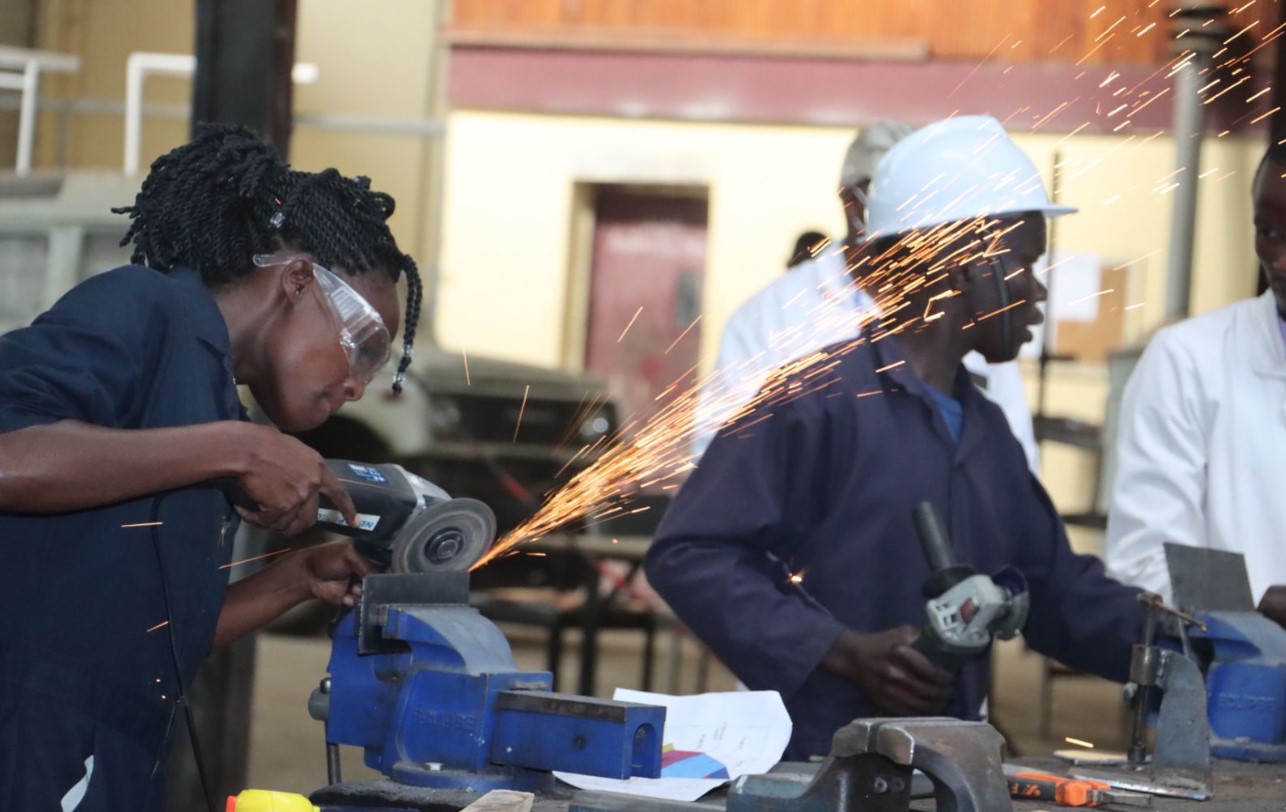
College students during a practical lesson. For years, vocational training has been treated as a lesser option /FILE
When conversations turn to development, the word skills is often thrown
around loosely, that is, having more engineers, more doctors, more coders,
among other cliché areas.
Being in many fields, including higher education, I
get this question on skills and skills gaps a lot during simple dining
conversations, from casual talk with aspiring graduates to high table
discussions.
In my view, while technical expertise is important, our developing
countries do not simply need more skills; they need the right mix of skills
aligned to their realities, institutions, and future challenges.
At the most basic level, the foundational skills already catered for by
our governments remain non-negotiable. Literacy, numeracy, digital literacy,
and critical thinking form the bedrock of any functioning society. Yet across
many developing countries, education systems still prioritise rote learning
over problem-solving.
A young person who cannot analyse information, adapt to
change, or question systems is ill-prepared for both the labour market and civic
life. This means that these basic skills are not enough, they must pave way to
functional skills, and this is where university education and Tvet education comes
in.
Closely linked are the technical and vocational skills. For years,
vocational training has been treated as a lesser option, despite the fact that
economies rely heavily on artisans, technicians, builders, electricians, and
agricultural workers and many developed countries relied on such labour to get
to where they are.
Aligning Tvet programmes with actual labour market needs, especially in areas such as
construction, manufacturing, renewable energy, and agribusiness, can create
dignified employment and reduce youth unemployment more effectively than
chasing white-collar ideals.
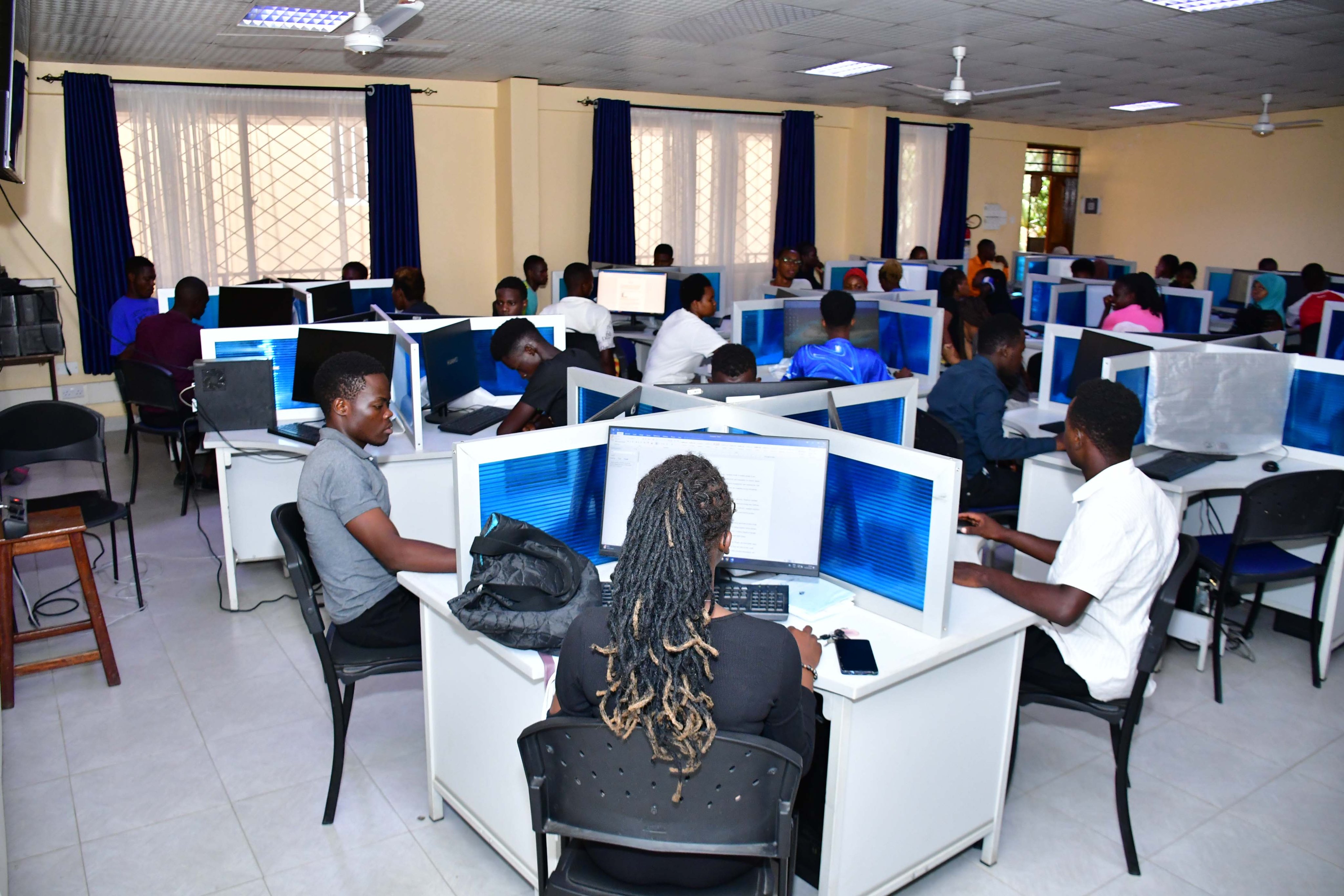
Digital skills are equally unavoidable. Not everyone needs to be a
software engineer, but everyone must sort of strive to be digitally fluent and
conversant.
From e-commerce to e-government services, data analysis to
cybersecurity awareness, digital competence determines who participates in
modern economies and who is left behind. For instance, digital skills
are a prudent way to driving services faster, especially government services
in Kenya which serve masses on a daily basis.
Another critical area is governance and civic skills. Developing
countries do not fail due to lack of talent alone; they fail when leadership,
ethics, accountability, and public participation are weak.
Leaders and aspiring
leaders as well as citizens in general require skills in public policy analysis,
mediation, negotiation, and democratic engagement, which are essential to
building institutions that serve citizens rather than elites. Economic growth
without good governance can be very fragile and the good thing is that this gap
can be easily reversed.
Entrepreneurship and financial skills also deserve attention. With
limited formal jobs available, young people must be equipped to create
enterprises, manage finances, access credit, and innovate within their
communities. Social entrepreneurship and cooperative models, in particular,
offer inclusive pathways often overlooked by policymakers.
Finally, climate and sustainability skills are no longer optional.
Developing countries face the harshest effects of climate change despite
contributing least to it. Skills in climate adaptation, green jobs,
environmental management and disaster preparedness are now matters of
survival.
Of essence in our countries, we need a skills-systems match. Currently,
many of our education systems remain disconnected from labour markets, youth
capacities are excluded from political processes, and talent is stifled by weak
institutions. If only our developing countries address this mismatch, skills
alone will not deliver development.
Vera writes on African youth, democracy, higher education and development, [email protected]
This is premium content
Subscribe to Continue Reading
Help us continue bringing you unbiased news, in-depth investigations, and diverse perspectives. Your subscription keeps our mission alive and empowers us to provide high-quality, trustworthy journalism. Join us today to make a difference!



![[PHOTOS] The new Ngong –Naivasha Road viaduct](https://cdn.radioafrica.digital/image/2026/06/64d4f771-4432-4aee-ba3c-2f304c4436ec.jpg)






![[PHOTOS] 'Mr Speaker Sir' Gen Z protester in court](https://cdn.radioafrica.digital/image/2026/06/b3e62d8e-25c3-4780-90f9-4eb48b1ce8a7.jpg)