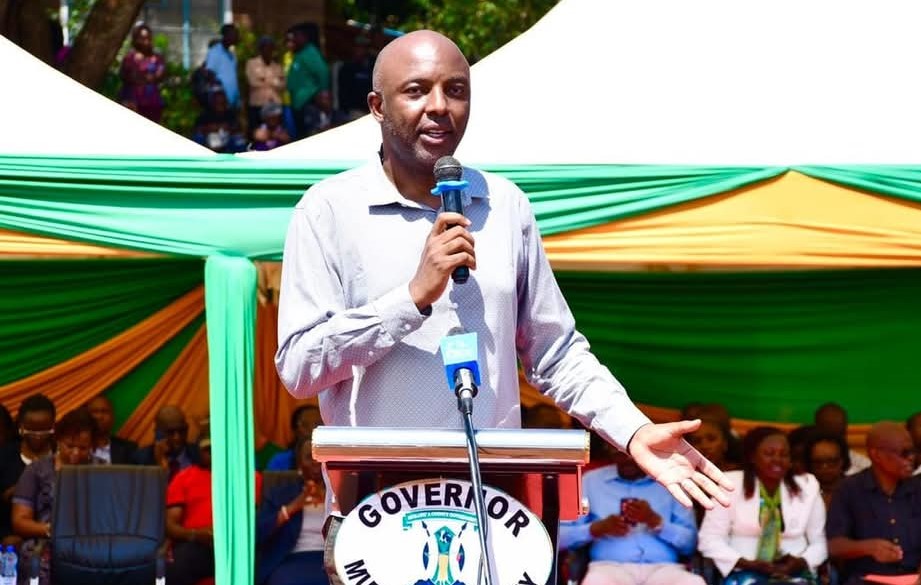
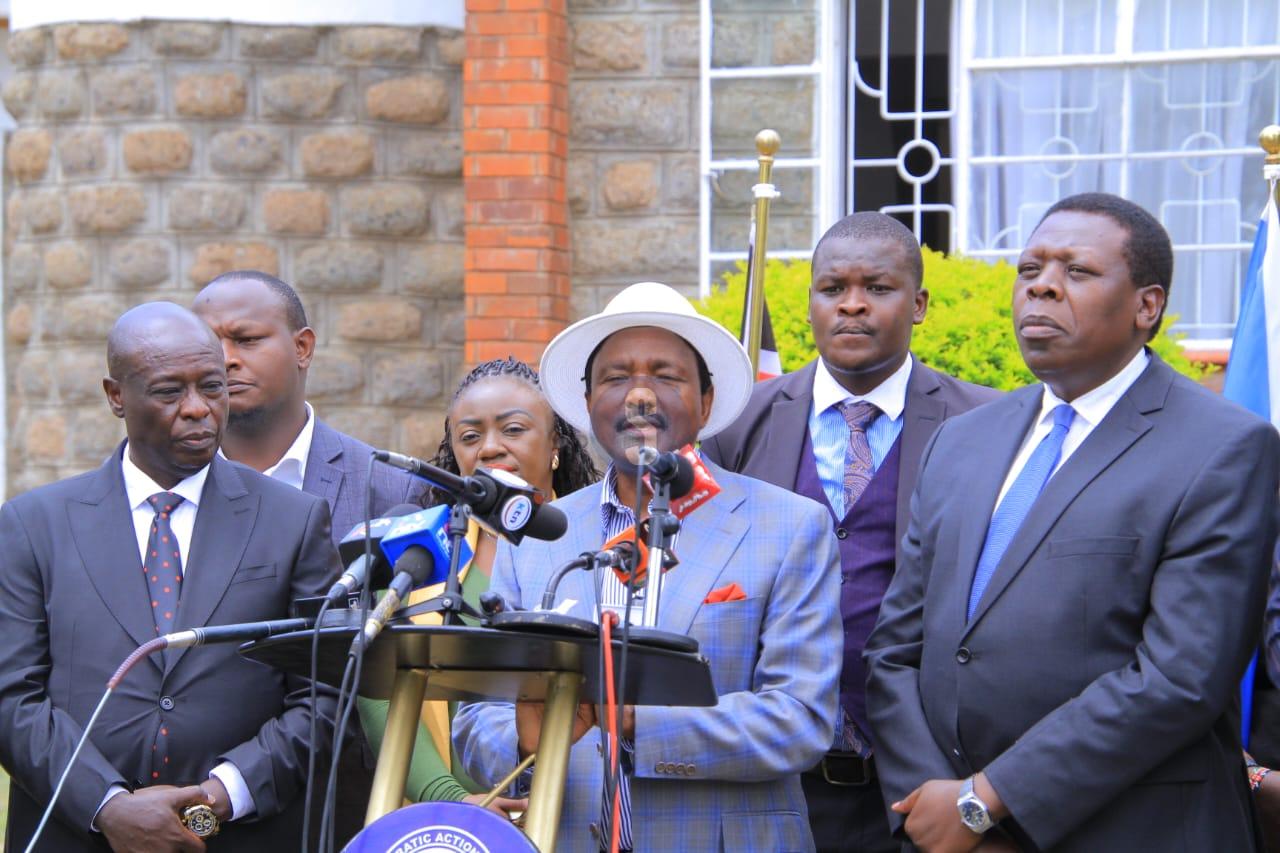
Murang’a Governor Irungu Kang’ata — popularly branded Kang’ata wa barua
— has once again set tongues wagging with a blunt treatise on what it takes to win Kenya’s
presidency. His nine-point prescription, circulating widely and eagerly consumed, is being hailed
as rare honesty in an industry of politics built on euphemism.
Many applaud the realism. Others admire the courage to say aloud what is
usually whispered. Yet applause cannot silence a deeper problem. Kang’ata’s missive is not
dangerous because it lies. It is dangerous because it tells the truth about a broken
political system — and then accepts that brokenness as
destiny.
What Kang’ata offers is not a vision for democratic leadership. It is a
manual for acquiring power within a hollowed-out democracy. That distinction is not semantic;
it is foundational.
The logic animating his argument is unmistakably Machiavellian. The
politician is the prime mover. The people are variables. Issue-based politics is a mirage.
Institutions are inconveniences. Ideas are optional
accessories to ethnic arithmetic and elite brokerage. Elections, in this worldview, are not
moral exercises in consent but technical exercises in control. Winning is everything;
governing is an afterthought.
This is why Kang’ata’s nine ‘truths’ read less like political wisdom and more like
political surrender. They teach aspirants how to adapt to decay rather than
confront it. They instruct the next generation of leaders not to fix the system, but to master its
dysfunction. Power becomes something to be assembled through calculation, not earned through
persuasion. Defenders will insist this is simply realism.
But realism without
reformist intent is nothing more than resignation.
It normalises failure and trains ambition to thrive on it. By this logic,
tribal mobilisation is excusable because it works; propaganda is acceptable
because it converts numbers; mercenary politics is necessary because it shields candidates.
Once victory becomes the only ethic, democracy is reduced to theatre and citizenship to
choreography. Perhaps the most telling absence in Kang’ata’s framework is the citizen.
The people appear only as blocs to be consolidated, regions to be penetrated, audiences to be
managed. They are never treated as thinking subjects, moral agents, or co-owners of the republic. Power circulates among elites, brokers,
financiers and tacticians; voters merely ratify deals struck elsewhere.
Yet the most basic democratic fact remains stubbornly true: no
politician elects themselves. Not presidents. Not
governors. Not the cleverest Machiavelli-in-chief. Power originates with the people — even when
distorted, coerced, confused, or cynically mobilised. To erase the citizen from the story of
power is to invert democracy itself.
This inversion is
precisely what Kang’ata’s thesis normalises. It is a politics where the tail
wags the dog — where ethnic kingpins, media tacticians, attack dogs,
influencers and political mercenaries dictate the fate of
the sovereign citizen.
The consequences are visible everywhere: endless
campaigns, shallow debates, recycled manifestos, loud politics and quiet
governance. We elect constantly and govern poorly.
This outcome is not accidental. It is structural. When visibility
outperforms credibility and arithmetic outmuscles ideas, leadership becomes performative and
temporary. Leaders rise highly skilled in conquest but dangerously untrained in stewardship. The
state mutates from a public trust into a private prize.
It is precisely here that we at Development Through Media locate our
democratic purpose. If politicians are perfecting the art of manipulation, civil
society has a constitutional obligation to disrupt it. Not by endorsing candidates or crafting
counter-campaigns, but by restoring political agency to citizens themselves.
At DTM we exist to do what Machiavellian politics fears most: deepen
civic literacy, strengthen media ethics, foreground lived realities and reconnect power to those
who constitutionally own it.
Our task is not to teach Kenyans how to vote ‘correctly,’ but to ensure they
understand why they vote, what they consent to, and how to hold power accountable long
after rallies end.
This work is slow and unglamorous. It does not trend. It does not
manufacture spectacles. But it is the only work capable of making Kang’ata’s rules obsolete rather than
merely controversial.
If Kang’ata’s essay is a mirror, Kenya’s task is not to admire the
reflection but to repair what it reveals. Democracy,
in its factory settings, assumes something radically different.
It assumes citizens deliberate
rather than merely mobilise; institutions mediate interests rather than bend to them; ideas compete
openly; leaders persuade rather than manipulate. The real question,
then, is not whether Kang’ata is right about how Kenyan presidents are made.
Evidence suggests he largely is. The harder question — the one that
should trouble us — is whether Kenya can produce leaders who win despite these rules, not because of
them. As long as citizens are treated as spectators rather than sovereigns,
Kang’ata’s ‘truths’ will masquerade as
wisdom. But they are not truths. They are symptoms of democratic malaise.
Kenya does not need better princes skilled in manipulation. It needs
more powerful citizens capable of choice. Until the dog wags the tail again, every election will
feel familiar, every campaign cynical and every victory faintly hollow. And that — not Kang’ata’s ‘honesty’ — is the real scandal.
Wanjawa teaches globalisation and international development at Pwani University and is a programmes associate at DTM, a media CSO and Yambo-Odotte, a media practitioner and social psychologist, is the executive director of DTM